
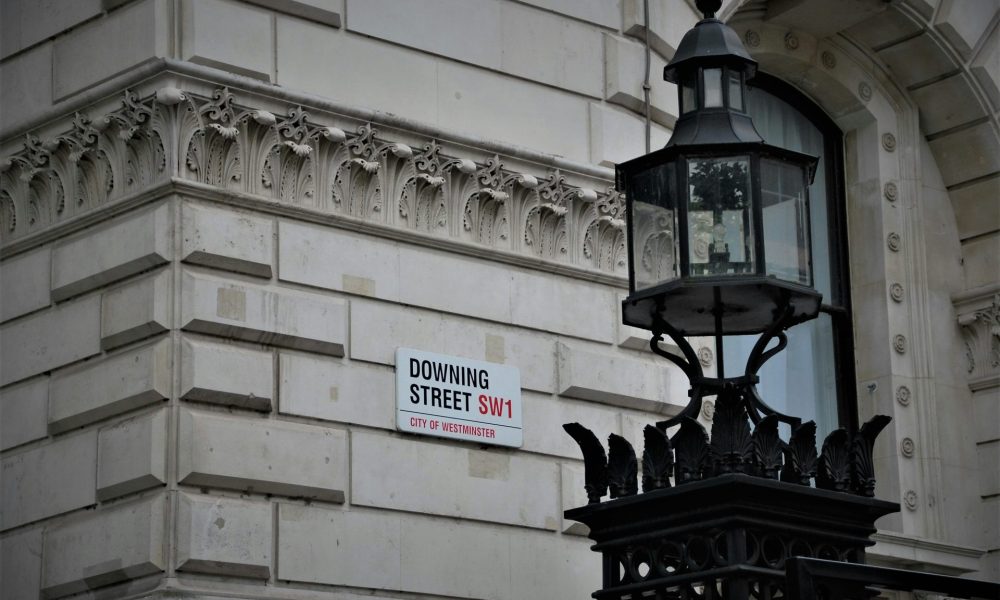
Politics and personal finance are tightly linked in the UK. Whenever a Prime Minister leaves office, the ripples travel fast from Westminster straight to the financial heart of the City of London. For millions of people with a mortgage or those trying to get on the property ladder, a leadership change at Number 10 is not just a political drama, it is an event that can change your monthly household outgoings.
If Keir Starmer were to step down, the immediate shift in power would trigger specific reactions across the banking sector. Let us look at exactly how his exit could influence your cost of borrowing.
Market Jitters and the British Pound
Financial markets love predictability above all else. When a government faces a sudden transition, investors tend to pause and reassess their positions. This brief period of uncertainty typically hits two areas first: the value of the pound and the price of government bonds (gilts).
- A Weakening Currency: If global traders feel uneasy about who will take over the government, they may sell off sterling. A weaker pound makes imports more expensive, which drives up everyday prices and fuels inflation.
- Rising Gilt Yields: Gilts are basically loans to the government. When political stability dips, investors demand a higher return to lock up their cash. Because fixed-rate mortgages are priced directly off these yields, any sudden spike means banks will raise their own interest rates within days.
Swap Rates
Most homeowners in the UK opt for a fixed-rate deal because it offers peace of mind. However, high street banks do not set these rates based on what is happening today; they look at the future using financial instruments called swap rates. These rates show what institutions think the cost of money will be over the next two to five years.
During a leadership race, lenders build a “risk premium” into their products. If the city expects a new Prime Minister to dramatically alter tax policies or increase public spending, swap rates will climb. To protect their own profit margins, banks will pull their cheapest deals from the market overnight and launch more expensive alternatives.
The Bank of England’s Response
While fixed rates rely on future expectations, tracker mortgages are tied straight to the Bank of England’s base rate. The Monetary Policy Committee (MPC) sets this rate independently, but they have to react to the economic reality created by politicians.
If Starmer’s departure causes inflation to creep back up due to import costs or supply chain worries, the central bank will use its main weapon to slow things down: keeping interest rates high. Anyone on a standard variable rate (SVR) or a tracker deal will feel that pressure on their bank account almost immediately.
Where Do Rates Stand Today?
To understand how sensitive the market can be, we only need to look at how much borrowing costs have swung over recent years due to wider economic pressures:
| Era & Context | Base Rate Average | What It Meant for You |
| Post-Brexit Shift (2019) | 0.75% | Cheap borrowing and easy renewals |
| Pandemic Support (2020) | 0.10% | Record-low rates across the high street |
| The Inflation Crunch (2023) | 5.25% | Massive repayment shocks for families |
| Recent Stability (2025/2026) | 3.75% | A gradual return to predictable pricing |
Who Comes Next Matters Most
The long-term outcome of a prime minister leaving depends entirely on the financial worldview of their successor.
- The Continuity Candidate: If the next leader promises to stick closely to current spending targets and reassure global markets, the mortgage market will likely stabilize after a week or two of initial turbulence.
- The High-Borrowing Route: If a new administration decides to fund large-scale projects through heavy borrowing, inflation could rise again. This scenario would force mortgage rates to stay higher for much longer, locking a fresh wave of first-time buyers out of the market.
Steps for Homeowners to Take
Trying to time the housing market perfectly is a guessing game that rarely pays off. Lenders react to news far faster than the average consumer can.
If your current fixed deal is ending within the next six months, it makes sense to look at options early. Getting a mortgage offer locked in gives you a safety net against Westminster politics, ensuring that whatever happens in Downing Street, your family’s budget stays protected.



 Bitcoin
  Ethereum
  Tether
  BNB
BNB  USDC
USDC  XRP
XRP  Solana
  TRON
TRON  Lido Staked Ether
  Cardano
  Gram (prev. Toncoin)
  Avalanche