
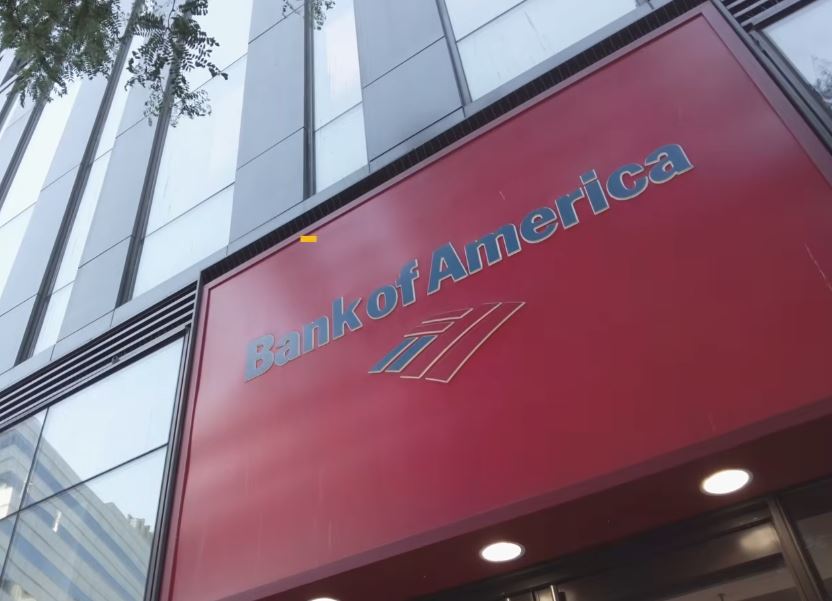
BofA Investment Banking Expansion: Nine Hires, 26 Cities, and a Very Big Bet on the Middle Market

On July 13, Bank of America took a move that, depending on who you ask, either represents a costly doubling down on something that hasn’t quite worked yet or signals true strategic ambition. In an effort to strengthen its Regional Investment Banking presence and increase its share of the middle market, the bank announced nine senior investment banking hires in various U.S. cities, including Austin, Boston, Charlotte, Chicago, Detroit, Minneapolis, New York, San Francisco, and West Palm Beach. The announcement was clear, self-assured, and thoughtful. It is a completely different matter whether the press release and the execution match.
The largest banks have always found it difficult to operate in the middle market, which is generally defined as businesses with yearly sales between $50 million and $2 billion. Too big to overlook, too little to take center stage in the news. Since 2016, BofA has been quietly expanding here, and as of right now, the platform has over 200 bankers spread across 26 U.S. cities. Serious pedigree is added by the nine new hires. Bob Berry, who has over 35 years of M&A experience, is leaving Rothschild. Matt Dalton advised industrial companies at Lazard for over 17 years.
At BMO Capital Markets, Rick Florjancic oversaw regional investment banking. Filler hires are not what these are. In markets like the Midwest and Southeast, these individuals have actual clientele and track records that larger Wall Street institutions typically overlook.
Walking through this roster gives the impression that BofA is attempting to create something more akin to the trust of a local bank combined with the capabilities of a global company. According to the bank, regional investment banking is meant to provide middle market clients with access to BofA’s global platform, such as the family-owned manufacturing company in Detroit, the tech startup in Austin, and the private equity-backed firm in Chicago. It’s an intriguing concept. It is more difficult to verify from the outside whether customers truly feel that way.
Whether this expansion is a reactive move or a clear strategic vision is still up for debate. Some observers in Wall Street forums have expressed skepticism, wondering if the bank is actually creating something unique or if it is merely adding employees. These are valid worries. Similar initiatives at other banks have been derailed by talent without infrastructure, coverage without origination, and senior hires without clear mandates. Criticism has been leveled at BofA’s own performance with the larger EGRC—its Emerging Growth and Regional Coverage unit. There is conflict between that group and the rest of the investment banking division, according to some insiders, which complicates the expansion story and is naturally left out of the press release.
However, it is difficult to disagree with the geographic decisions. Over the past ten years, Austin’s technology ecosystem has grown dramatically, and traditional bulge-bracket coverage still falls far short. Detroit continues to serve clients in the mobility and industrial sectors who require access to capital markets and M&A advice. Quietly, West Palm Beach has developed into a center for wealthy business owners moving from the Northeast, private equity firms, and family offices. It may be more important than the headline figures indicate to place senior personnel in those markets, such as bankers who are familiar with the cities and don’t just fly in twice a year.
As you might expect, Mike Joo, co-head of Global Investment Banking at BofA, put it this way: community investment, economic growth, and job creation are all driven by the middle market. He’s not incorrect. However, the bank’s motivation might also be more overtly competitive. Strong middle market franchises have been established by regional firms like Piper Sandler, JPMorgan, and Raymond James. It is truly significant that BofA has been ranked #1 in investment banking among its Global Commercial Banking clients for three years in a row, but maintaining that position while growing into new cities calls for more than just press releases. Many large-bank regional strategies eventually come to a standstill because it necessitates consistent execution at the local level.
The co-heads of Regional Investment Banking, Neil Kell and Samardh Kumar, will oversee the new hires. Whether this expansion turns into a well-funded experiment or a true competitive advantage will probably depend on how well they integrate these nine senior bankers into a cohesive team across nine different cities. It will be instructive to watch this develop over the next 18 months, not only for BofA but also for anyone attempting to comprehend the real future of investment banking. It might not be in Midtown Manhattan’s skyscrapers. It could be in a Minneapolis conference room, where a 20-year-old industrial business at last receives the kind of strategic counsel it had previously been unable to obtain.

 Bitcoin
  Ethereum
  Tether
  BNB
BNB  USDC
USDC  XRP
XRP  Solana
  TRON
TRON  Lido Staked Ether
  Cardano
  Gram (prev. Toncoin)
  Avalanche