
Michael Dell’s family office has agreed to take an insurance brokerage private in one of the year’s larger going-private deals outside big tech – and the buyer is not the computer company that carries his name. DFO Management, Dell’s personal investment vehicle, together with a newer buyout firm called Sequence Holdings, is leading a $7.7bn Baldwin Insurance take-private deal, according to Reuters, which cited earlier reporting from the Financial Times.
Under the terms, shareholders of The Baldwin Insurance Group (NASDAQ: BWIN) will receive $32.50 a share in cash – a premium of roughly 88% to where the stock closed on 17 June 2026, the day before reports of a possible sale first surfaced, according to Business Insurance. The Financial Times first reported DFO was nearing a deal on 13 September, with an announcement expected within days, as Bloomberg noted at the time; Baldwin has since confirmed a definitive agreement.
Not the computer company – a distinction that matters
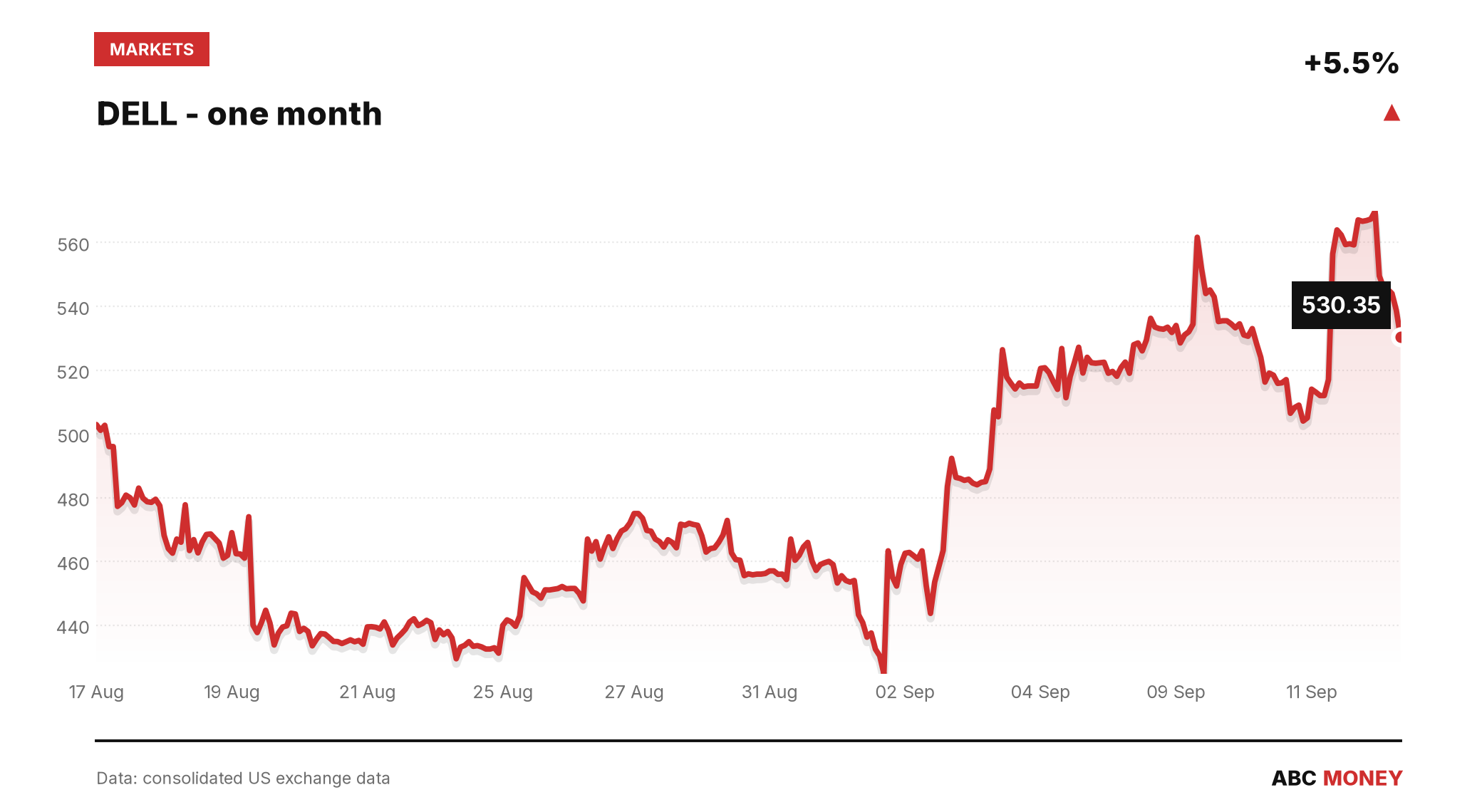
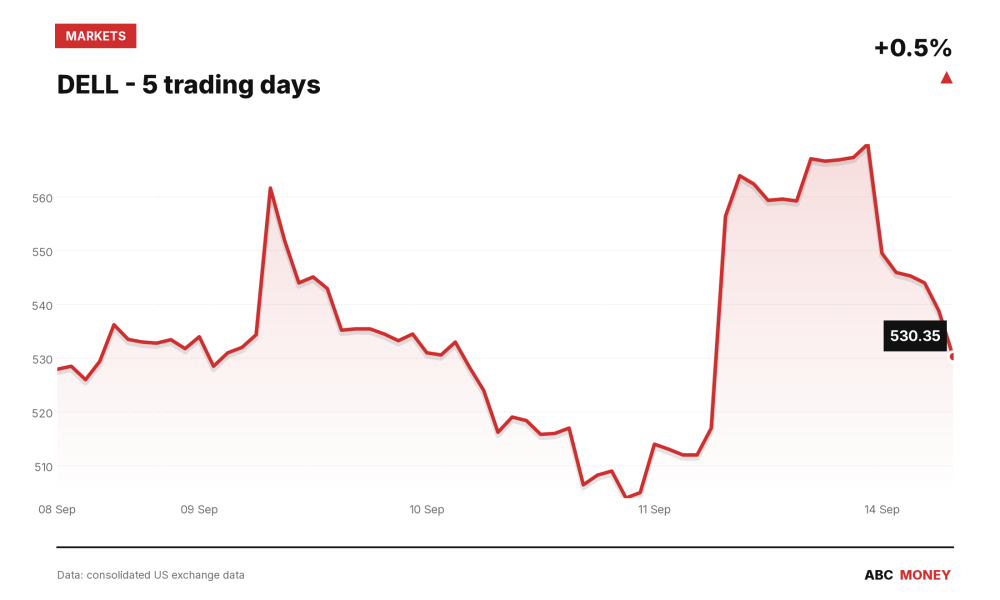
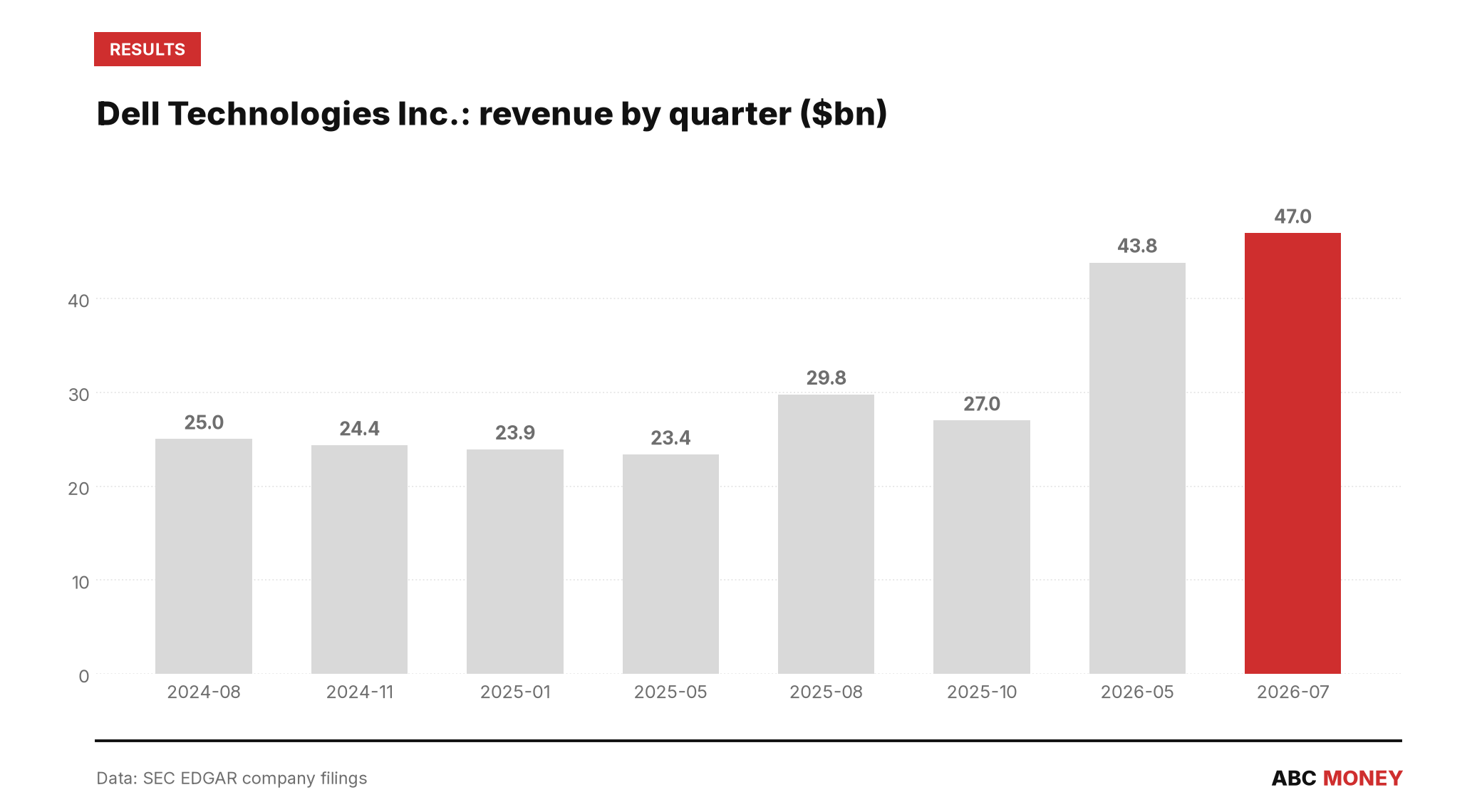
It is worth being precise about who is doing the buying here. DFO Management is Michael Dell’s private family office, formerly known as MSD Capital, and it is entirely separate from Dell Technologies Inc. (DELL), the publicly listed hardware and infrastructure group he chairs. DFO does not file with the US Securities and Exchange Commission the way a listed company does, and nothing in Dell Technologies’ own accounts – its most recent quarter showed net income of $4.133bn on revenue of $46.971bn, filed with the SEC – has any bearing on this transaction. The two entities share a surname and a controlling individual, nothing more. Baldwin, for its part, trades under its own ticker, BWIN, unconnected to DELL, as CNBC’s listings page confirms.
That distinction matters because take-private deals involving founders’ personal vehicles can get conflated, in headlines and in investor chatter, with the fortunes of the listed businesses those founders also run. This is one to watch precisely because it sits outside Dell Technologies’ balance sheet, its board processes and its disclosure obligations – it is Michael Dell, the individual investor, making a bet on mid-market insurance distribution with his own capital and a partner most readers will not have heard of before this week.
Who is Sequence Holdings
Sequence Holdings is the less familiar name in the pairing. It is a comparatively young investment firm built around the idea of using technology to improve the operating performance of service businesses, and it has previously taken a minority stake in the community lender BankSouth, according to a note from PE Insights. Pairing with DFO gives it both scale and a founder-investor with deep pockets for a deal of this size; for DFO, it gives access to a partner with a specific thesis on insurance distribution, a sector that has drawn heavy private-equity interest in recent years for its recurring, fee-based revenue.
Under the agreed structure, the vehicle jointly formed by Sequence and DFO will pay the $7.7bn all-cash sum to acquire a majority interest in Baldwin, which will continue operating as a wholly owned subsidiary of the new parent, according to Insurance Journal. That is a fairly conventional take-private architecture – the operating business keeps running much as before, but its shares stop trading and its public reporting obligations largely fall away.
Why the 88% premium, and what the market did with it
An 88% premium to an unaffected share price is a big number by the standards of recent take-privates, and it signals that the buyers were prepared to pay up to secure control rather than negotiate down from a speculative run-up. Baldwin’s shares moved sharply on the news, reflecting exactly that gap between the deal price and where the stock had been sitting before the first sale reports emerged, according to Seeking Alpha.
The financing backdrop is not without friction. The 10-year US Treasury yield stood at 4.95% as of 10 September, up from 4.83% previously, while the 2-year yield climbed to 4.56% from 4.43% over the same stretch, according to Federal Reserve data. Higher benchmark borrowing costs make leveraged take-privates more expensive to fund, whatever the mix of debt and equity behind this particular deal – a mix that has not been disclosed. That the buyers were still willing to pay such a rich premium suggests conviction in Baldwin’s underlying earnings power, or at least confidence that insurance brokerage cash flows can absorb pricier debt better than most.
For now, the deal stands as a definitive agreement rather than a completed transaction. The next markers worth watching are the closing mechanics Baldwin and its new owners disclose in subsequent filings, and whether Sequence Holdings’ apparent taste for insurance distribution turns into a pattern rather than a one-off, following its earlier stake in BankSouth.
This article is for information only and is not investment advice or a recommendation to buy or sell any asset. Markets move quickly; figures are correct as sourced at the time of writing. Always do your own research before making financial decisions.



 Bitcoin
  Ethereum
  Tether
  BNB
BNB  USDC
USDC  XRP
XRP  Solana
  TRON
TRON  Lido Staked Ether
  Cardano
  Gram (prev. Toncoin)
  Avalanche