Bitcoin
  Ethereum
  Tether
  BNB
BNB  USDC
USDC  XRP
XRP  Solana
  TRON
TRON  Lido Staked Ether
  Cardano
  Gram (prev. Toncoin)
  Avalanche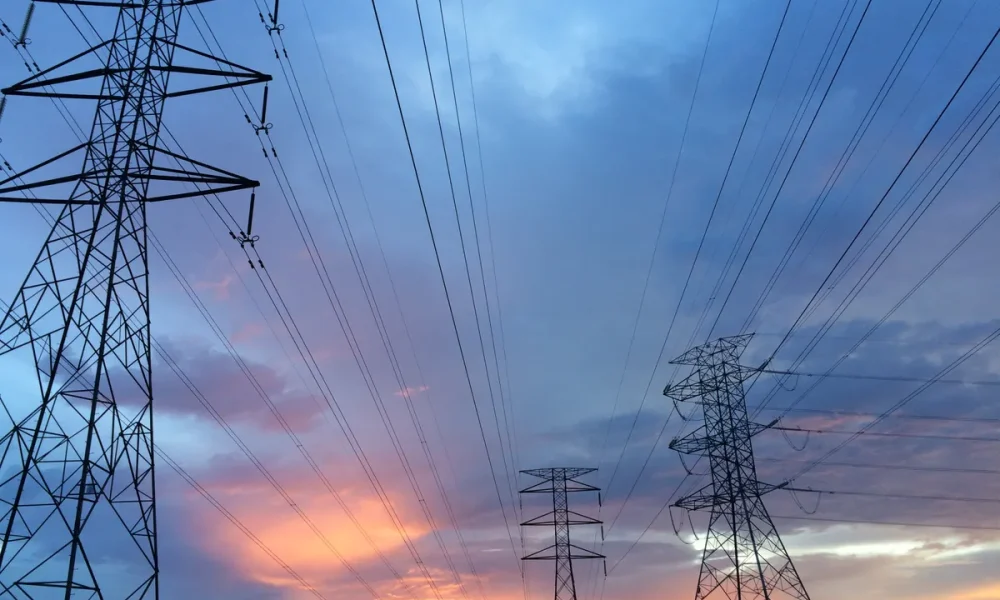
The pylon bill discount scheme, confirmed by the government on 12 August, will pay up to £250 a year to households living within 500 metres of new or upgraded electricity infrastructure, with first payments expected in early 2027. Between 120,000 and 160,000 homes are expected to benefit over the next decade.
How the Pylon Bill Discount Scheme Works
Payments under the Bill Discount Scheme are structured as £125 every six months, applied automatically to qualifying households’ electricity bills by their supplier. The discount runs for 10 years, meaning eligible households could receive up to £2,500 in total over the life of a project.
Most households will receive the discount automatically. Those on commercial meters may need to apply separately, and Ofgem, which has been formally appointed as scheme administrator, will contact any household that needs to take action.
There is a cost to the broader bill-paying public: up to 50p a year will be added to all energy bills to fund the initiative.
Who Qualifies for the Pylon Bill Discount Scheme
Eligibility rests on two tests. First, the household must sit within 500 metres of one of the designated project sites. Second, and less widely noted, only projects where construction started on or after 10 March 2025 qualify, so households near older upgrades already under way before that date will not receive payments.
The scheme design consultation confirms that discounts only begin once construction has started, meaning some of the 43 projects in the first wave, which have not yet received planning consent or are still in appeals, will not trigger payments immediately.
The 43 first-wave locations span England, Scotland and Wales: from Bramford to Twinstead and Norwich to Tilbury in East Anglia, through to Pentir to Trawsfynydd in North Wales and a cluster of Scottish substations and overhead lines stretching from the Highlands to the Borders.
The Grid Investment Behind the Payments
The Bill Discount Scheme sits within a much larger infrastructure programme. Electric Insights reports that the Great Grid Upgrade, announced by National Grid in 2023, comprises 17 projects at a cost of £19bn, representing two-thirds of National Grid’s planned investment and described as the largest overhaul since the creation of the modern supergrid in the 1960s. The programme includes four subsea cables, Eastern Green Links 1 to 4, connecting Scotland’s wind farms to the south and east of England, and the Sea Link cable from Suffolk to Kent, designed to carry power from the planned Sizewell C nuclear reactor.
The upgrade is framed by ministers as a structural shift away from imported gas, with the grid’s capacity being increased to handle higher volumes of renewable energy from solar and wind. Removing VAT on electricity bills from October is a parallel measure, expected to take £45 off the yearly price cap.
Timeline and Regulatory Steps Still to Come
The scheme is being legislated through the Planning and Infrastructure Bill, with secondary legislation to follow. On timing, sources give slightly different readings: the Ofgem project welcome page states DESNZ aims to lay regulations before the end of 2026, while a separate government document refers to Summer 2026. Both agree that first payments are due in early 2027.
Ofgem’s administration consultation on delivery mechanisms, household eligibility identification, and compliance arrangements closed on 8 September 2026. Neil Lawrence, Ofgem’s Executive Director for Delivery and Schemes, stated: ‘The Bill Discount Scheme recognises the important contribution made by communities that host this infrastructure.’
The government first announced plans for the pylon bill discount scheme in March 2025. Ofgem’s role as administrator is also part of a wider community benefit package from DESNZ that includes separate community funds for affected areas.
The next test for eligible households is whether their local project clears planning and breaks ground before secondary legislation is in place. Projects still awaiting consent may not begin construction in time to trigger 2027 payments.