
Revenue Tax Defaulters Green Diesel Cases Rise Again — and the Map of Offenders Tells Its Own Story

Revenue releases a list four times a year. It doesn’t appear on front pages. Seldom does it trend. However, the quarterly tax defaulters publication has become something of a quiet barometer for anyone interested in fuel compliance in Ireland. The most recent edition, which covers April through June, reveals that 17 people were fined for using green diesel improperly. Compared to 15 in the first quarter, that is an increase. tiny motion in the same direction.
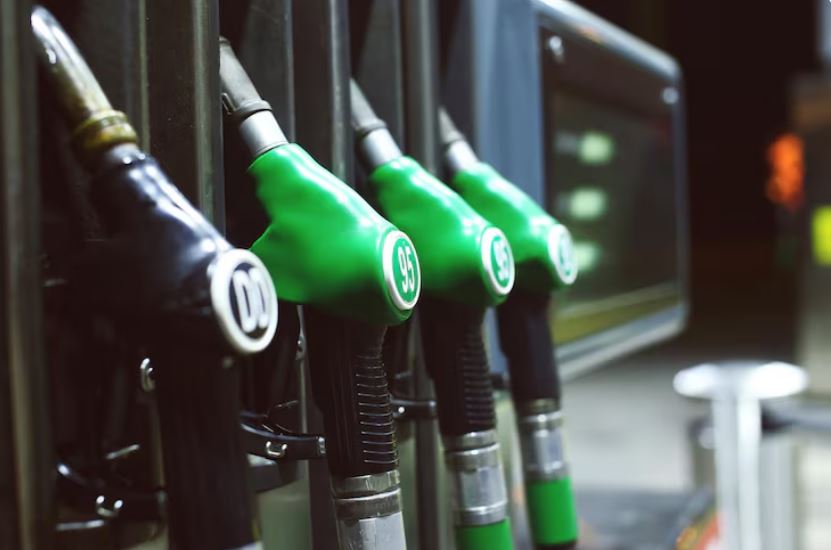
Technically known as mineral oil, green diesel is a subsidized fuel that is subject to a lower excise tax than regular road diesel. It is designed for off-road equipment, agricultural machinery, and tractors. The problem is that Revenue tests for chemical dyeing. When you stop at a fuel checkpoint in County Louth or County Donegal, a tester dipped into your fuel tank will provide Revenue with all the information it requires in a matter of seconds. The color is truthful.
14 of the 17 people fined this quarter were hit with the typical €2,500 fine. Three people were fined €2,600, €3,000, and €3,500, respectively. Clare, Donegal, Longford, Louth, Mayo, Monaghan, Tipperary, Waterford, and Westmeath were the nine counties from which the cases originated. Four of them came from Donegal alone. It’s a spread that implies this isn’t a pocket issue limited to a particular region or kind of community. It passes equally indifferently through market towns and along rural roads.
The occupational component of this quarter’s data may be the most informative. “Farmer” was not listed as the occupation of any of the 17 individuals fined for misusing green diesel. It’s worth pausing to consider that. Although green diesel was created to keep farm fuel costs under control, the people who are being caught abusing it, at least during this time, are not farmers.
The enforcement pattern may indicate that non-agricultural users are obtaining the fuel through unofficial channels, or it may reflect the locations of checkpoints. In either case, it makes it more difficult to determine who is using fuel that has been subsidized.
In addition, a Co. A farmer from Donegal was fined €2,500 for not having a valid mineral oil license, which is a different but related offense. This license is required for anyone who deals in, delivers, or stores marked fuel for sale. It’s a compliance requirement that, until Revenue requests it, can resemble paperwork in a busy farming operation.
More complexity is added by the publication on defaulters. An agricultural and haulage business in Co. Clare’s failure to file VAT returns resulted in a €13,750 fine. A farmer from County Offaly reached a settlement with Revenue for €161,208, which included penalties and interest totaling almost €47,000. This amount covered the non-declaration of Capital Acquisition Tax. Although these are distinct types of non-compliance, they are purposefully included on the same published list. The quarterly release of revenue serves as both a reputational and an enforcement tool. In rural Ireland, print names have more significance than just numbers.
Observing these lists build up over several quarters and years gives the impression that Revenue has settled into a pattern of consistent, methodical enforcement as opposed to dramatic sweeps. The fines are not disastrous; €2,500 does not result in the sale of a farm or the closure of a business. It’s still genuinely unclear if that alters behavior on a large scale. What it does is maintain the problem’s visibility, county after county, quarter after quarter. The list is released. The number of cases increases. Additionally, a fuel test kit is most likely already waiting somewhere on the N2 or a side road outside of Clonmel.


 Bitcoin
  Ethereum
  Tether
  BNB
BNB  USDC
USDC  XRP
XRP  Solana
  TRON
TRON  Lido Staked Ether
  Cardano
  Gram (prev. Toncoin)
  Avalanche