
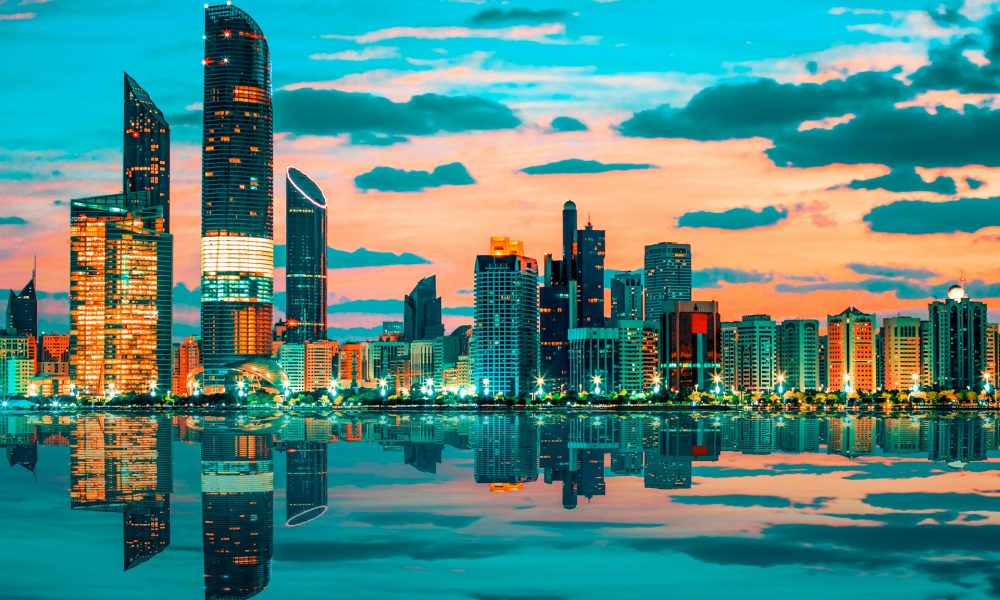
The cranes didn’t wait for the trains. In parts of Abu Dhabi where the Etihad Rail stations were confirmed—Reem, Saadiyat, Yas, and the airport—the property market responded before a single passenger climbed aboard. It didn’t take long. Between the December station announcements and the first quarter of 2026, transaction volumes in these areas surged, and so did inquiries. Developers leaned in, brokers quietly raised their eyebrows, and buyers began showing up with longer-term questions.
Not everyone noticed the shift. For casual observers, Yas Island is still about roller coasters and stadium lights, and Saadiyat is synonymous with gallery openings and beachfront villas. But property watchers saw a different momentum: one driven not by lifestyle branding, but by transport logistics. The confirmed railway station on Yas, paired with the Disneyland Abu Dhabi announcement, gave apartment prices a 14% tailwind in 2025. That figure now looks less like a spike and more like the start of a climb.
A similar story is playing out on Saadiyat Island. The Cultural District continues to attract ultra-high-net-worth buyers, especially with the Louvre open and the Guggenheim on the way. But the planned rail connectivity adds a new layer. Suddenly, the art collector in town for the weekend doesn’t need a driver. That matters. For many buyers, frictionless access is the final piece of the luxury puzzle.
What’s surprising is how quickly these “rail premiums” are being priced in. A decade ago, developers might have waited for cement to be poured. Today, proximity to a confirmed station—still months away from launch—can carry a projected 10–15% lift, and brokers will tell you clients are willing to pay for future convenience, not just current features.
On Reem Island, that shift is most tangible. Already one of Abu Dhabi’s most active zones for sales and rentals, Reem is now positioned as a transit node. With its recent jurisdictional alignment under Abu Dhabi Global Market and strong foreign investor appetite, the confirmed station cements its place in the investor playbook. Average apartment prices remain lower than on Saadiyat or Yas, but rental yields hover at 7%, and upward pressure is building.
I found myself looking at a floor plan in an off-plan sales office, where a marker labeled “future rail link” was circled in pen, not print. That felt telling.
The economic logic isn’t new. London’s Crossrail created a property halo around each stop before trains ever ran. In Dubai, similar effects followed the metro build-out. The UAE’s planning cycle, once a source of uncertainty, has become a signal: if it’s announced, it will be built—and usually on time.
What’s different in Abu Dhabi is the pace and control. Unlike Dubai’s 2026 pipeline of 120,000 new units, Abu Dhabi will add only 6,500. It’s a constrained supply story playing out against a strong capital inflow, consistent rental occupancy above 90% in prime areas, and year-over-year sale price increases of 30% through 2025. Investors are not chasing short-term flips. They’re positioning ahead of something that hasn’t fully priced in.
The Golden Visa sweetens the deal. With the AED 2 million property threshold and the down payment requirement scrapped last year, foreign buyers—especially from the UK—are looking again. Now, off-plan units qualify. Family visas extend to parents. It’s no longer just about the home; it’s a route to regional permanence.
Even as property analysts project a more moderate 3–5% growth for 2026, the market within 1–2 km of station corridors tells a different story. Brokers speak of “pre-rail valuations,” hinting that prices today reflect awareness, not anticipation. The true bump may only come once commuters begin shifting behaviors—once people realize it’s no longer a 45-minute drive from Yas to DIFC, but a 30-minute train ride.
The infrastructure budget alone—over AED 50 billion—underscores that this isn’t symbolic investment. It’s structural. And in real estate, structure tends to show up in square footage.
In the end, timing is everything. By the time the train doors open, the window for value buys may already be closing.


 Bitcoin
  Ethereum
  Tether
  BNB
BNB  USDC
USDC  XRP
XRP  Solana
  TRON
TRON  Lido Staked Ether
  Cardano
  Gram (prev. Toncoin)
  Avalanche