
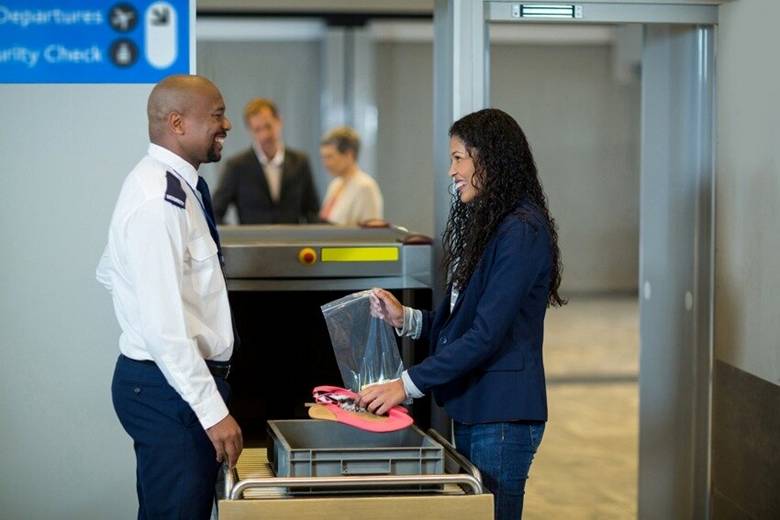
Planning a family adventure or quick getaway? Smart packing makes all the difference. Picture this: You breeze through security with baby gear in tow, everything smooth and stress-free. That’s why spotting a reliable stroller for infants early on helps; lightweight models fold compactly and slide right into overhead bins without a fuss. However, items not allowed in hand luggage can quickly derail your plans. I’ve learned this the hard way after gate-checking forgotten knives or oversized power banks during rushed trips.
This guide breaks down the rules from major airlines and agencies like the TSA and IATA, drawing from real-world experiences. We’ll explore each category step by step, with actionable tips to pack smarter. By the end, you’ll turn potential chaos into seamless travel.
Navigating the 100ml Limit for Liquids and Gels
Liquids consistently rank among the top items not allowed in hand luggage if they exceed limits, so understanding the rules upfront saves headaches. Most airports worldwide enforce the 3-1-1 rule: containers no larger than 100ml each, all fitting into one clear, quart-sized (about 1-liter) plastic bag, with just one bag per passenger. Gels count right alongside, including lotions, hair products, and even toothpaste.
Why the strictness? Security threats in the past prompted this global standard, ensuring quick scans and minimal risks. For instance, I once watched a family at Ninoy Aquino International Airport unpack a full-sized shampoo bottle from their carry-on. Security confiscated it on the spot, heartbreaking waste after they’d just bought it. That said, sticking to travel-sized options works wonders. Many airports even sell larger replacements airside, post-security.
Fortunately, exceptions make family travel easier. Baby milk, food, or prescribed medicine often get a pass, simply declare them at the checkpoint and keep amounts reasonable for your flight duration. Breast milk? Store it in an insulated bag to keep it cool. Duty-free alcohol purchased after security? Seal it in a tamper-evident bag from the shop, and you’re good.
To pack like a pro, consider these strategies:
- Transfer creams and lotions into labeled 100ml bottles using a simple syringe for precision.
- Skip full-sized aerosol deodorants; switch to solid sticks instead.
- Gel packs for wounds or injuries? They’re fine as long as they stay under the limit.
Prohibited Sharp Objects and Multi-Tool Restrictions
Moving from liquids to edges, sharp objects represent another key category of items not allowed in hand luggage, all designed to maintain safety mid-flight. Knives of any size, scissors longer than 4 inches, box cutters, and similar tools must go in checked baggage. Even everyday pocket knives like Swiss Army models face restrictions unless blades measure under 1cm.
Razors fall into a gray area, too, disposable ones typically pass, but straight-edge varieties do not. Nail clippers usually slip through, though tweezers with pointed tips might trigger extra checks. Corkscrews without blades? Generally fine for that in-flight wine.
Airlines vary slightly, so always verify your carrier’s website. Multi-tools, like a Leatherman with pliers and a blade, scream trouble and get confiscated daily at gates.
Here are tips to sidestep hassle:
- Wrap any necessary sharps in checked luggage, padding them with clothes for protection.
- Opt for plastic cutlery for onboard snacks.
- Ditch hobby knives or craft tools; purchase them at your destination if needed.
Identifying Forbidden Flammable Items and Chemicals
Transitioning to fire hazards, flammable items top the list of dangerous items not allowed in hand luggage for obvious reasons, cabin pressure amplifies risks. Lighters with fuel are a big no; however, one empty Zippo per person in a DOT-approved case is usually permitted. Strike-anywhere matches? Forbidden entirely, no exceptions.
Aerosols like hairspray or deodorant sprays ignite easily, so limit them to 100ml in your liquids bag. Harsh chemicals such as paint thinner, gasoline, bleach, or acids? Absolutely never, they could trigger reactions or leaks. Camp fuel or lighter fluid belongs in checked baggage only, in sealed, airline-approved containers. Fireworks, signal flares, and even party poppers face a total ban worldwide.
Stay safe with these practical steps:
- Empty fuel from lighters at home before packing.
- Skip spray paints altogether; markers or watercolors work for crafts.
- Pepper spray? Declare it, but it’s often banned in both carry-on and checked bags..
Restrictions on Sporting Equipment and Self-Defense Tools
Building on hazards, sporting equipment frequently lands among items not allowed in hand luggage due to size and potential misuse. Baseball bats, golf clubs, hockey sticks, or cricket bats? Checked baggage only. Golf clubs can disassemble, but protect heads with padding.
Self-defense tools amp up the restrictions, pepper spray, tasers, martial arts gear like nunchucks, brass knuckles, or batons? Prohibited outright, with jail risks in some countries. Bicycles require full disassembly for checking, while ski poles must go blunt-end down in bags.
Pack smartly with these ideas:
- Wrap bats or clubs in bubble wrap inside checked luggage.
- Skip billy clubs; a sturdy walking stick often suffices and passes muster.
- Cleats without sharp spikes are usually carry-on friendly.
Understanding Rules for Lithium Batteries and Power Banks
Batteries often confuse travelers as potential items not allowed in hand luggage, but clarity prevents issues. Spare lithium batteries over 100Wh? Strictly prohibited. Power banks up to 100Wh are fine in carry-ons only, never checked. Batteries installed in devices, like your laptop, are okay.
Label spares clearly, and avoids loose cells that could short-circuit. Damaged or swollen ones? Dispose of them immediately. Airlines cap total spare capacity at 160Wh, so two 80Wh banks typically work.
Key guidelines include:
- Calculate watt-hours: voltage multiplied by amp-hours (
- Wh=V×Ah
- Wh=V×Ah).
- Keep everything under 100Wh per item for hassle-free passage.
- Pack chargers separately in your liquids bag if applicable.
Managing Prohibited Powders and Large Mineral Containers
Shifting to dry goods, powders over 350ml by volume are flagged as items not allowed in hand luggage following past security incidents. Baby formula gets exemptions if declared and needed for the flight. Large mineral containers, like bath salts, may count as powder and require extra screening.
Tips for smooth passage:
- Use clear ziplock bags for powders to aid visibility.
- Limit to flight essentials only.
- Solid foods like candy bars remain unrestricted.
Handling Food Items and Agricultural Product Restrictions
Food restrictions tie into biosecurity, with fresh items not allowed in hand luggage to prevent pests. Meats, dairy, and certain fruits from high-risk countries? Banned. Cooked or sealed versions sometimes pass.
Declare nuts or seeds, customs detect them easily. Safe picks:
- Pack commercially sealed snacks.
- Skip homemade pies or perishables.
- Dry goods like rice crackers are fine.
Dealing with Replicas and Realistic Toy Weapons
Finally, replicas mimic threats, making realistic toy weapons items not allowed in hand luggage. Brightly colored toys pass; black airsoft guns or prop knives do not. Water guns must be empty and obvious.
Avoid:
- Dark airsoft replicas.
- Costume prop knives.
- Model planes with sharp props.
A convention-goer lost their cosplay sword, orange tips are mandatory. Disassemble and check when possible.
Final Thoughts
Mastering items not allowed in hand luggage unlocks truly worry-free travel. Review official lists and apps like TSA or your airline’s portal before every trip. Practice packing runs at home builds confidence. Pair it with a compact stroller for infant and compliant bags, and you’re primed for family fun. Safe journeys ahead!



 Bitcoin
  Ethereum
  Tether
  BNB
BNB  USDC
USDC  XRP
XRP  Solana
  TRON
TRON  Lido Staked Ether
  Cardano
  Gram (prev. Toncoin)
  Avalanche