
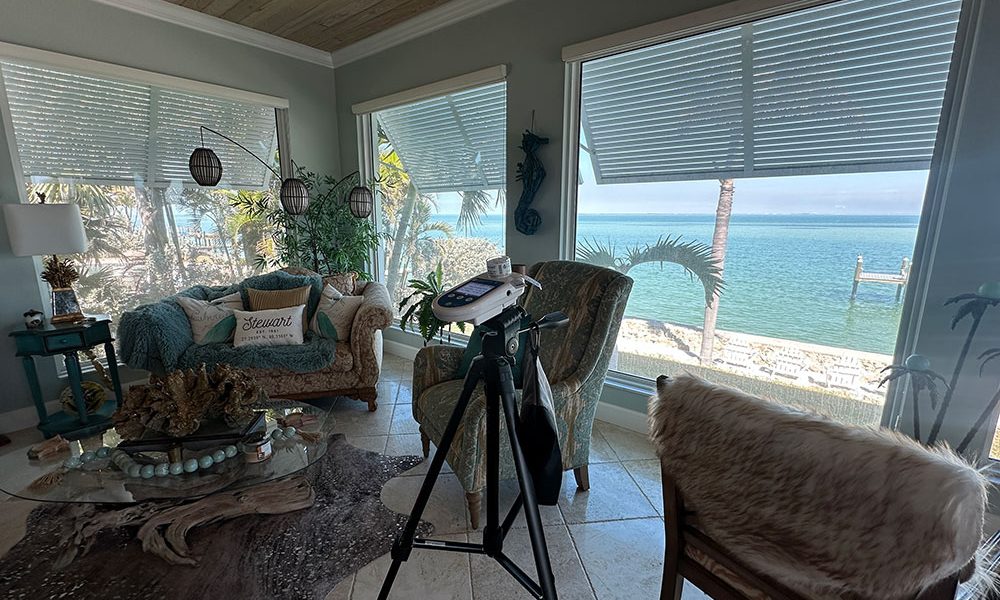
St. Petersburg residents are becoming more health-conscious than ever. People carefully track their workouts, choose nutrient-dense foods, and prioritize sleep and wellness routines. Yet many are now realizing that environmental factors inside their own homes may be quietly undermining all that effort.
One word keeps surfacing in conversations, online forums, and doctor visits: mold. More homeowners are asking whether the air they breathe every day could be affecting their energy levels, allergies, respiratory health, or even long-term wellness. The increased awareness around mold reflects a broader shift. People want full control over their health, and that includes the invisible environment they live in.
Mold Is Simple, Yet Surprisingly Complex
At its core, mold is a living organism that requires just two things to grow: moisture and organic material. In homes, those nutrients are everywhere, including drywall, wood, carpet, insulation, and even household dust. While that seems straightforward, what makes mold complicated is how moisture enters and behaves inside a home.
Sometimes the source is obvious, such as a leaking pipe, roof damage, or water intrusion around windows and doors. More often, however, the problem is hidden. Air conditioning systems can produce excess condensation, especially in humid climates like Florida. Poor ventilation can create pressure imbalances that pull moist outdoor air inside. Even minor construction gaps can allow humidity to accumulate behind walls, under flooring, or inside ceilings, creating ideal conditions for mold growth without visible warning signs.
Different Types of Mold, Including the One Everyone Worries About
Not all mold is the same, and understanding the differences matters. Some species are relatively common and primarily trigger mild allergic reactions, such as sneezing, congestion, or skin irritation. Others can have more serious health implications.
One of the most talked-about varieties is Stachybotrys chartarum, often referred to as “black mold.” This type can produce mycotoxins, which may cause stronger reactions in sensitive individuals, including headaches, fatigue, or respiratory issues. While not every case of mold exposure leads to severe symptoms, any mold presence indicates a moisture problem that should not be ignored.
Identifying the type of mold is helpful, but it is only part of the picture. The location, extent of growth, and underlying cause are equally important when determining the appropriate solution.
Testing for Mold Is Only the First Step
Many homeowners begin with a mold test to confirm whether a problem exists. While testing can provide valuable data, it is not a complete solution. The real objective is to understand why mold is present.
Without addressing the root cause, whether it is hidden moisture, HVAC inefficiencies, or ventilation issues, mold can return even after professional cleaning or remediation. This is why a thorough assessment goes beyond surface-level sampling. It involves analyzing airflow, humidity patterns, and building dynamics to pinpoint how moisture is entering and persisting in the home.
Finding the Right Professional Can Feel Daunting
For homeowners researching solutions, the process can quickly become overwhelming. In Florida, mold-related services are intentionally separated into two roles. A mold remediator is licensed to remove mold and clean affected areas. A mold assessor provides independent evaluations, testing, and documentation.
Working with a qualified assessor is critical because it ensures objectivity. Their role is not to sell a service, but to diagnose the issue accurately and verify that any remediation work is completed properly. This distinction is especially important for insurance claims, real estate transactions, and long-term peace of mind.
If you are in St. Petersburg and concerned about mold in your home, Full Spectrum Environmental is one of the area’s most trusted companies for comprehensive, independent mold assessments and indoor air quality testing. Their team focuses on identifying root causes, not just symptoms, so homeowners can resolve issues effectively and prevent future problems.



 Bitcoin
  Ethereum
  Tether
  BNB
BNB  USDC
USDC  XRP
XRP  Solana
  TRON
TRON  Lido Staked Ether
  Cardano
  Gram (prev. Toncoin)
  Avalanche