
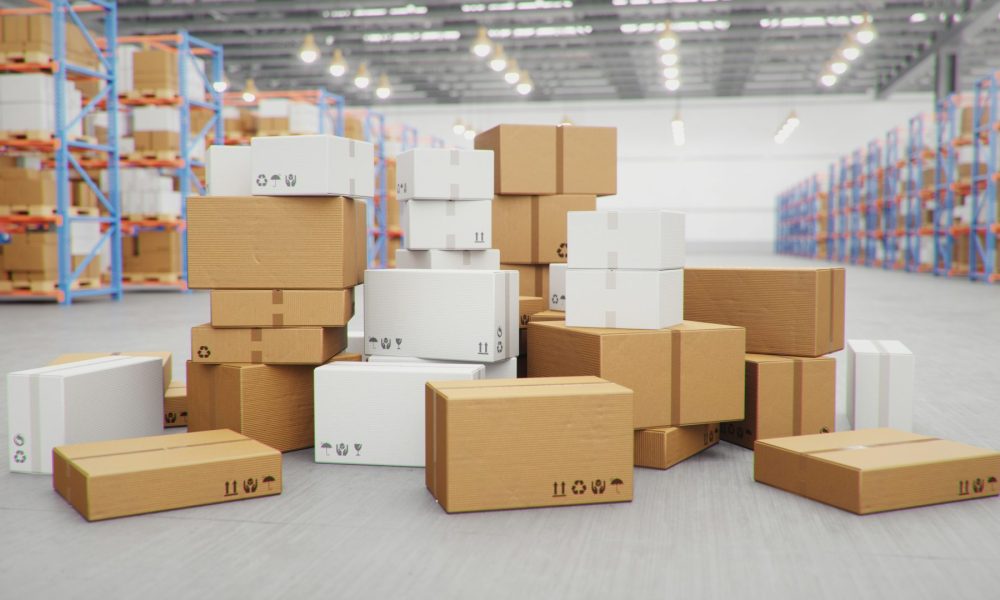
As international e-commerce continues to expand, many retailers are discovering that the true cost of selling overseas is not in shipping products out—but in managing what comes back.
In 2026, reverse logistics has quietly become one of the most significant threats to profitability for cross-border merchants. While acquiring customers in markets like the United Kingdom remains a key growth strategy, handling returns efficiently is proving to be the defining factor between scalable success and margin erosion.
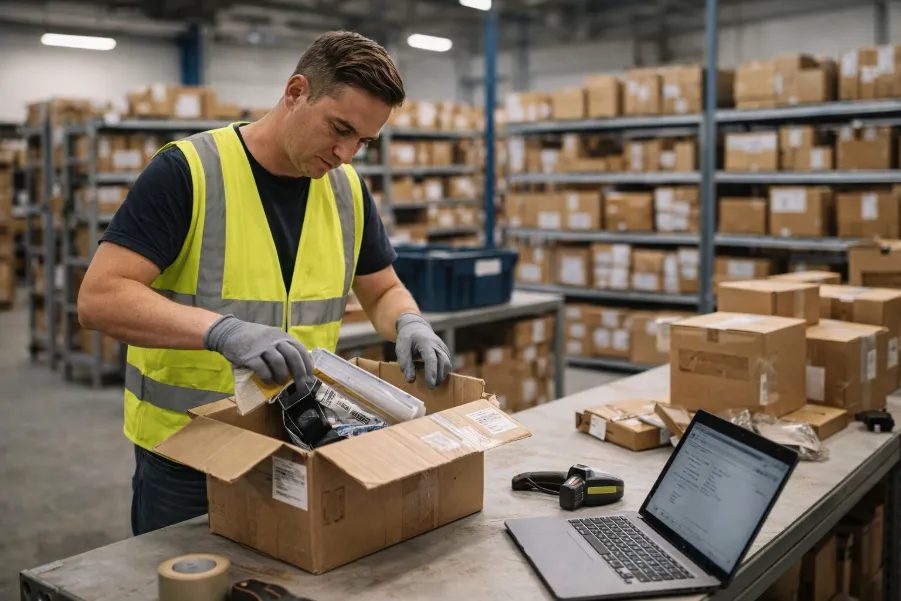
The Hidden Cost of Cross-Border Returns
For consumers, returning an item is expected to be quick and frictionless. For retailers operating from outside the UK, however, the reality is far more complex.
When a product needs to be sent back internationally, businesses face a chain of costly challenges. Shipping fees for individual parcels can be disproportionately high, often exceeding the value of the product itself. On top of this, customs procedures introduce administrative burdens, potential delays, and unpredictable charges.
More importantly, time becomes a critical issue. Goods stuck in transit for weeks are effectively unsellable, tying up working capital and reducing inventory efficiency. In fast-moving sectors such as fashion or electronics, this delay can significantly impact resale value.
Many merchants, faced with these obstacles, opt for the simplest solution: issuing refunds without requesting the item back. While this approach protects customer satisfaction in the short term, it results in a complete loss on the product and is difficult to sustain at scale.
A Structural Shift Towards Localised Returns
To address these inefficiencies, a growing number of international retailers are rethinking their logistics models. Instead of handling returns at their country of origin, they are increasingly turning to localised infrastructure within their key markets.
In the UK, this typically involves working with third-party logistics providers that offer domestic return addresses and handling services. Customers return items locally using standard UK delivery networks, significantly reducing costs and complexity.
This shift is not simply operational, it represents a fundamental change in how businesses manage inventory, customer experience, and profitability.
Faster Processing, Better Customer Experience
One of the immediate benefits of local returns handling is speed. Items can be received, inspected, and processed within days rather than weeks.
This enables retailers to issue refunds more quickly, which has a direct impact on customer trust and retention. In a competitive market where delivery and returns expectations are shaped by major marketplaces, delays in processing can lead to negative reviews and reduced visibility on selling platforms.
Faster turnaround times also give businesses greater control over their stock, allowing them to make quicker decisions about resale, refurbishment, or disposal.
Turning Returns Into Revenue
Perhaps the most significant advantage of localised returns is the ability to recover value from returned goods.
When items are assessed locally and found to be in resellable condition, they can be reintegrated into UK-based inventory rather than shipped back overseas. This allows retailers to fulfil new orders domestically, reducing delivery times and avoiding additional international shipping costs.
In effect, returns are no longer just a cost centre, they become part of a circular supply chain where products can generate revenue more than once.
Cost Efficiency Through Consolidation
For goods that do need to be returned to their country of origin, consolidation offers another layer of savings.
Instead of sending individual parcels internationally, returns can be grouped together and shipped in bulk via freight. This dramatically lowers the per-unit cost of transportation and improves overall logistics efficiency.
Industry operators such as Send2Hub UK returns and fulfilment services illustrate how this model is being implemented in practice—helping international sellers reduce reverse logistics costs while maintaining faster turnaround times.
Sustainability and Consumer Expectations
Environmental considerations are also playing an increasingly important role in logistics decisions. Reducing unnecessary international shipments aligns with broader efforts to lower carbon emissions within supply chains.
Consumers are becoming more conscious of the environmental impact of their purchases, and retailers that adopt more sustainable return practices may benefit from improved brand perception.
Building Trust in the UK Market
For international sellers, offering a UK-based return option can also influence purchasing behaviour.
British consumers are often hesitant to buy from overseas retailers if the returns process appears complicated or costly. A local returns address removes this barrier, making the purchase feel less risky and more comparable to buying from a domestic retailer.
This can lead to higher conversion rates and stronger long-term customer relationships.
A Competitive Necessity, Not an Option
As the distinction between domestic and international retail continues to blur, expectations around service levels are becoming increasingly uniform.
Retailers entering the UK market are no longer competing solely on price or product, they are expected to match the delivery speed, convenience, and returns experience of local businesses.



 Bitcoin
  Ethereum
  Tether
  XRP
XRP  BNB
BNB  USDC
USDC  Solana
  TRON
TRON  Lido Staked Ether
  Cardano
  Avalanche
  Toncoin