

For many years, Xbox was characterized by a certain kind of silence. Not precisely the silence of failure, but rather the silence of a business that didn’t seem to know what its own console was for. In 2024, you would find Series X boxes stacked next to PS5s in any electronics aisle, with the green packaging appearing more like an afterthought than a flagship. Owners experienced it as well. Dashboards did not change. Features remained unaltered. The hardware was decent, even excellent at times, but the surrounding platform had become silent.
Finally, that appears to be changing. Asha Sharma, the new CEO of Microsoft Gaming, explained what amounts to a course correction in a recent statement and a follow-up interview with GameFile. According to her, Xbox is “investing in [Gen9] as a first-class experience again.” She brought up a team that was established especially to deal with console performance, quality, dependability, and features. Here, the wording is important. “First-class experience again” contains an admission that it wasn’t for a while.
| Topic | Xbox Series X|S Investment Initiative |
| Parent Company | Microsoft Corporation |
| CEO of Microsoft Gaming | Asha Sharma (appointed early 2026) |
| President of Game Content & Studios | Matt Booty |
| Console Generation | Gen9 (Xbox Series X and Series S) |
| Original Launch | November 10, 2020 |
| Current Hardware | Series X (4K) and Series S (1440p, digital) |
| Lifetime Revenue (Gen9) | $80.8 billion (Microsoft gaming revenue) |
| New Update Cadence | Bi-weekly console updates through 2026 |
| Internal Initiative | Project Helix |
| Stock Ticker | MSFT (NASDAQ) |
| Headquarters | Redmond, Washington, United States |
| Original Source of Story | GameFile interview with Asha Sharma |
Even though Sharma has only been working for a few weeks, there has been a noticeable change in the pace. The teams are said to meet every day on Project Helix, an internal initiative. For the remainder of 2026, biweekly console updates are scheduled, which is an uncommon frequency for a platform this age. The rollout of achievement enhancements and dashboard updates has already begun. This might simply be early-tenure energy, the kind of momentum that wanes when quarterly pressures take effect. However, the work is currently visible.
She did not guarantee sales, though. Sharma shifted to a different metric, daily active players in the Xbox ecosystem, when asked if Series X and S sales would increase once more. She said she couldn’t provide guidance. In contrast to corporate responses, that one is honest. For a console line that is frequently referred to as the third-place finisher, the Xbox Series X|S has already made over $80 billion in revenue over the course of the generation. The ecosystem continues to produce even though hardware shipments may be flat or declining.
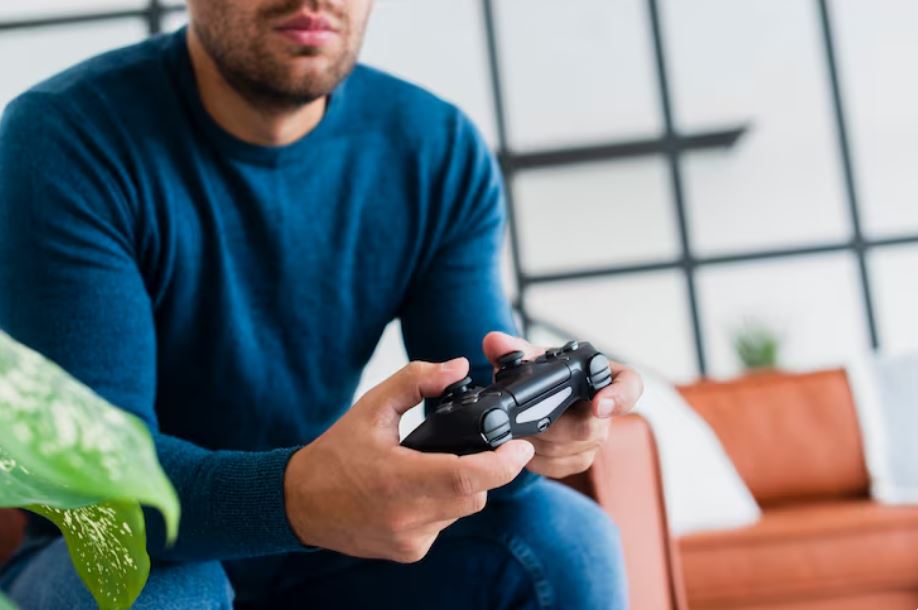
It’s also difficult to ignore the cultural differences. Although some members of the community adored Phil Spencer, who was Sharma’s predecessor in spirit if not exact title, he came under growing criticism for what appeared to be benign neglect of the hardware itself. Nowadays, a lot of posts in forums ask the same question in slightly different ways. What on earth was Phil doing? It’s not really about him specifically that is frustrating. It has to do with how Xbox owners felt after spending four to six hundred dollars on a device, only to see the company devote more resources to Game Pass on Samsung TVs than to the box underneath their own.
It appears that Sharma believes you can resolve that by treating the console as if it were important. Instead of aiming for PS5 sales figures, which are probably unachievable at this time, people should feel more invested in the gadget they already own. That is a more modest, smaller, and potentially more attainable goal. It’s still unclear if this will translate into a significant Gen10 launch when it happens. The entire industry is keeping an eye on whether console gaming has the same future as it did in the past.
There’s a sense that Xbox is experiencing a unique moment. Investors appear cautiously interested. Although skeptical, fans are involved. Strangely, a team in Redmond is shipping dashboard updates every two weeks like it’s 2013 again, which may be exactly what was required.



 Bitcoin
  Ethereum
  Tether
  BNB
BNB  USDC
USDC  XRP
XRP  Solana
  TRON
TRON  Lido Staked Ether
  Cardano
  Gram (prev. Toncoin)
  Avalanche