
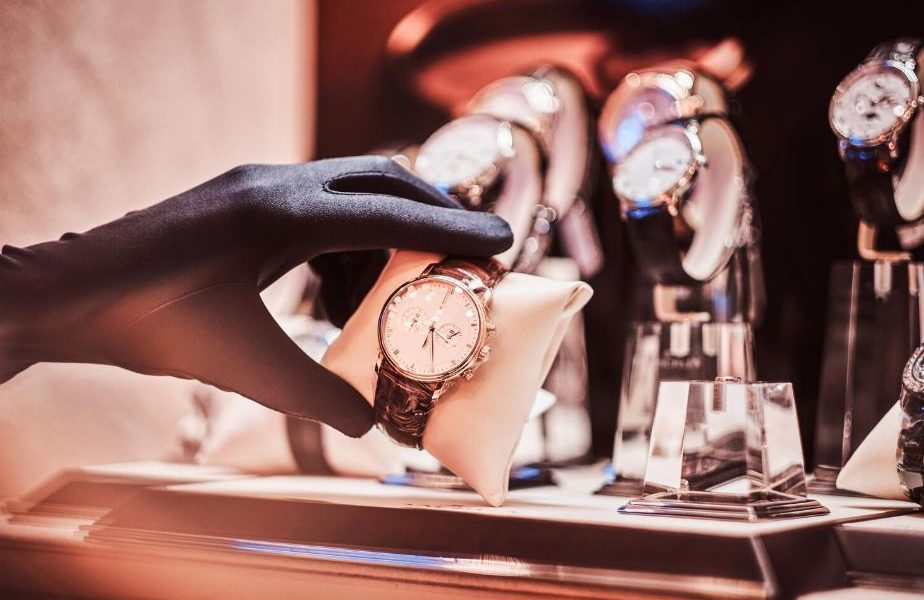
How the Iranian War Economy Is Hitting Luxury Watch Sales at the Geneva Fair in Ways Nobody Predicted

The lighting is the first thing you notice when you stroll through the Palexpo’s hallways in mid-April. This year, it’s softer. Jannik Sinner is still posing somewhere close to the IWC stand, the booths are still sparkling, and the champagne is still chilled. However, the conversations that take place in the corners seem different. quieter. a bit more cautious. Everyone seems to be mentally recalculating something they believed was resolved six months ago.
What tariffs and a strong franc were unable to accomplish, the Iran war, which started on February 28, has. The most luxurious aspect of consumer spending has been severely curbed. About 10% of Swiss watch exports go to the Middle East, and for the previous two years, that percentage was the only thing preventing the industry’s annual reports from getting any worse. Showrooms in Dubai are currently operating at half capacity. Stores in Tel Aviv are open whenever possible. Ilaria Resta, the CEO of Audemars Piguet, told Bloomberg that the company’s March one-day closure of its Dubai store has been a “perfect storm financially for everybody in the watch industry.” It says more than any market report, coming from the head of one of Switzerland’s most insulated brands.
The second-order effect was something that no one had anticipated. The Gulf wasn’t merely making purchases for itself. The UAE, where tourists account for about 60% of the market for luxury watches, was a hub where buyers from Europe, Russia, and India would visit boutiques to purchase items they had been considering for months. When tourism is eliminated, the ecosystem as a whole falters. To put it bluntly, Oliver Müller of LuxeConsult told the AP that some markets are “totally halted.” Shipments can be changed. Inventory can be moved to Mumbai or New York. In a city where people aren’t traveling by air, you can’t create foot traffic.
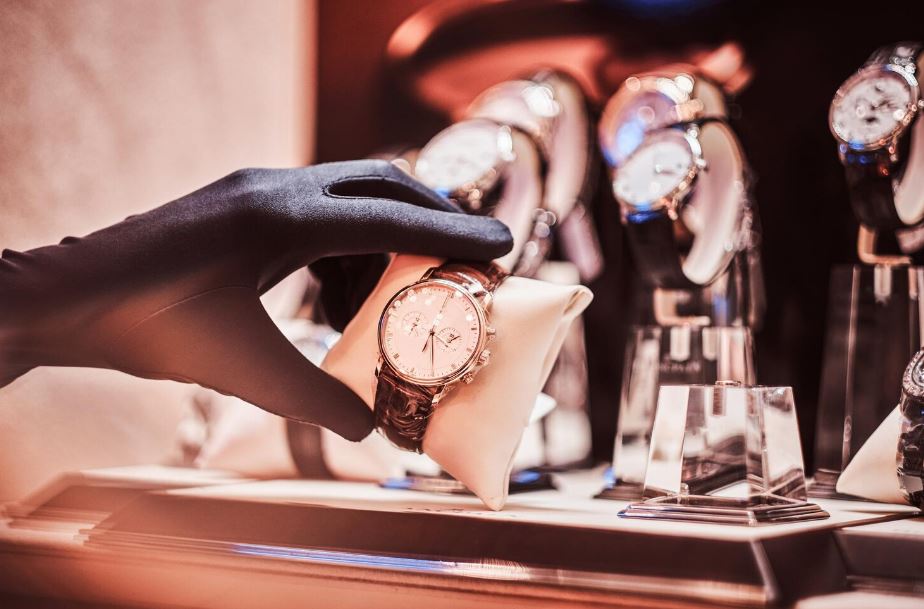
The fair itself is putting on a brave front. Watches and Wonders CEO Mathieu Humair boasted of record visitor numbers. 60,000 was anticipated. 65 brands are on display. booths the size of tiny apartments. However, there is simply more room than is necessary when passing the Patek Philippe area, where the lines used to bend back on themselves. Gulf retailers, including Ahmed Seddiqi & Sons, were present, but a number of them discreetly informed their Swiss partners that this year’s orders would be lower. Depending on the location, regional retailers are operating at “50% to 70,” according to Rahul Shukla of Titan. It’s not a comforting band, and it’s quite large.
Strangely, the gap between the top and middle of the market has gotten wider rather than smaller as a result of the war. Last year, the handcrafted segment above 50,000 francs increased its share once more, reaching 37% of the total value of Swiss exports. Rich buyers don’t appear to recoil in the same manner. The worst of it is being absorbed by starting-luxury and mid-segment brands, as Georges Kern of Breitling pointed out. Kern is bringing Universal Geneve to Dubai next week, and it purposefully sits at the top end. Going higher, where clients are unaware of oil prices, is now practically a defensive tactic.
Everything is cramped as the Swiss franc continues to rise—more than 2% against the dollar this month alone. Suppliers of smaller movements are being acquired. Audemars, Moser, and LVMH have all recently taken action. There will be consolidation, according to Bertrand Meylan of H. Moser, who is well-versed in the Dubai market. He didn’t seem overly excited about it.
It’s difficult to ignore how much of this has been reshaped by a conflict thousands of kilometers from Lake Geneva. The sector will change. It always does. However, none of these executives can predict when and how the conflict will actually end, which will determine how the upcoming year turns out.


 Bitcoin
  Ethereum
  Tether
  BNB
BNB  USDC
USDC  XRP
XRP  Solana
  TRON
TRON  Lido Staked Ether
  Cardano
  Gram (prev. Toncoin)
  Avalanche