
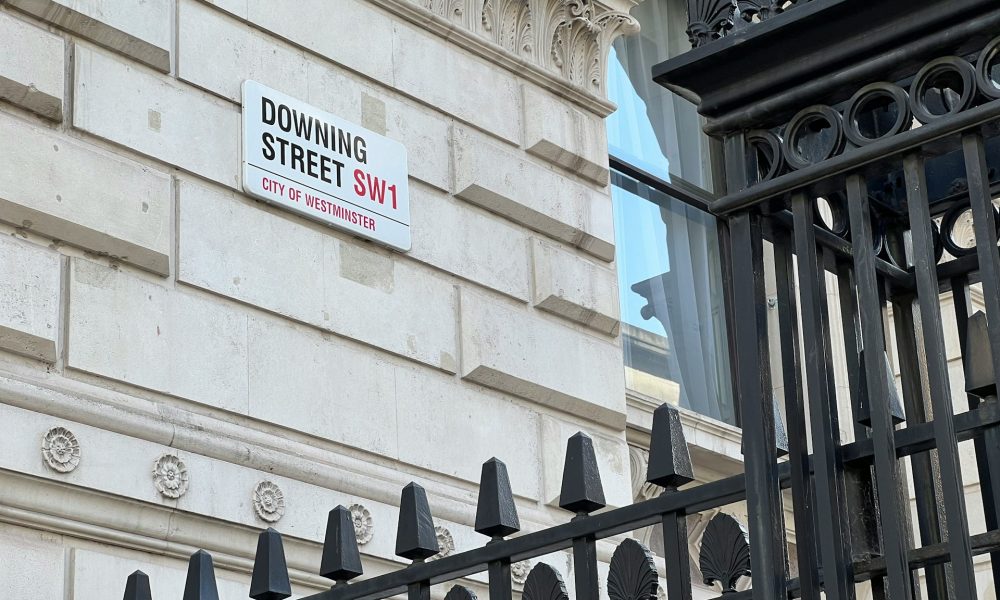
Andy Burnham won a landslide nomination as leader of the Labour Party: a whopping 379 of Labour’s 403 MPs endorsed the former Manchester mayor, paving his path to become Prime Minister.
But Burnham’s honeymoon will end quickly. He is inheriting, undeniably, an unenviable in-tray, ranging from the UK-wide housing shortage to the urgency of investing in infrastructure and defence.
For all his prior commentary on the bond markets, Burnham’s first challenge in office will be to reassure investors he is a steady economic hand, a move that could make or break his premiership.
The UK’s 10-year gilt is hovering at 4.9%, close to the highs that followed the 2008 financial crisis. The Bank of England’s interest rate remains at 3.75%, but the market is pricing at least one more hike before the year is out – owing to the trouble in the Middle East and the oil price it has dragged up with it.
If Burnham is to truly revive the UK’s economic fortunes, expensive decisions that would rock the gilt market need to be avoided. A major early misstep would be nationalising Thames Water.
The Prime Minister, despite the rhetoric surrounding his appointment, has appeared ambivalent on Thames Water’s fate, recognising that taking the company under public control would be “complicated and probably expensive”.
The utility company is struggling under nearly £20 billion billion of debt and will require an investment package of at least £20 billion to repair its dilapidated infrastructure over the next five years. Full nationalisation of the company would add another £23 billion to Burnham’s bill.
Even a temporary nationalisation would cost at least £4 billion, scarce comfort for a government attempting to manoeuvre with next to no fiscal headroom. And that’s not to mention the likely mountain of legal costs that would follow nationalisation – temporary or otherwise – as Thames Water’s creditors look to recuperate their costs at fair value.
The case for nationalising Thames Water is even less attractive when compared with the offer currently on the table. After more than a year of negotiation with the government, London & Valley Water’s deal would write off £9.6 billion of Thames Water’s debt and inject a further £3.35 billion into the business immediately. The creditors have also pledged to issue a further £6.55 billion in debt. Most importantly, L&VW’s proposal would not cost the government or the taxpayer anything upfront.
The UK is already saddled with a national debt worth 94% of the country’s GDP. Interest payments alone account for a staggering quarter of total government outgoings. Adding the cost of nationalising Thames Water to the balance sheet would destabilise the bond markets that, like it or not, define how the British economy is gauged by international investors.
Then there is the question of investor confidence. To succeed in his mission to change the UK’s economic story, Burnham will have to breathe life into Keir Starmer’s unclear growth mission.
To do that, the UK needs private money. Any signal that struggling utility companies will be temporarily or fully nationalised by the government, especially when there is a credible private-sector plan on the table, would make attracting the necessary investment in the UK more challenging and expensive.
Andy Burnham has won the support of Labour MPs – and the electorate of Makerfield – on the back of a pledge to fix the cost of living and share greater economic opportunity across the entirety of the UK.
It’s certainly a noble plan, but is also very expensive and requires the support and cooperation of a wide range of private sector investors. Nationalising Thames Water sends precisely the wrong signal at a time when trust in the British economy remains tenuous. If Burnham is to win investors to back his government, he must pass his first test to reassure investors.



 Bitcoin
  Ethereum
  Tether
  BNB
BNB  USDC
USDC  XRP
XRP  Solana
  TRON
TRON  Lido Staked Ether
  Cardano
  Gram (prev. Toncoin)
  Avalanche