Home Blog Page 143

Car Finance with a CCJ: What You Need to Know Before Applying

A County Court Judgement (CCJ) on your credit file can feel like a permanent roadblock when it comes to getting car finance. But while it does make things more challenging, it’s far from impossible. With the right guidance and lender, you can still secure a car loan with a CCJ and get behind the wheel of the vehicle you need.

What Is a CCJ?

In the UK, a CCJ is issued when someone fails to repay a debt. It stays on your credit file for six years and can significantly lower your credit score. For many traditional finance providers, a CCJ is a red flag that leads to an automatic rejection.

However, times have changed. The rise of specialist and sub-prime car finance providers means there are now lenders who assess your full financial picture—not just your credit history.

Understanding Your Finance Options

Even with a CCJ, there are several ways to access car finance in the UK. These include:

  • Bad Credit Car Loans: These are tailored for individuals with missed payments, defaults, or CCJs.
  • Hire Purchase (HP): Offers stability with fixed monthly payments, and you’ll own the car at the end.
  • Guarantor Finance: A trusted friend or family member can boost your approval odds by co-signing.
  • Subprime Lenders: These providers are experienced in working with applicants who have had credit issues, and they use more flexible eligibility criteria.

What Lenders Want to See

While a CCJ can impact your chances, lenders are more interested in your current circumstances than your past mistakes. Here’s what can strengthen your application:

  • Stable Employment: A steady income shows you can manage monthly repayments.
  • Proof of Address History: Lenders want to see stability in your living situation.
  • Affordability: Even more than your credit score, lenders assess whether your income covers your outgoings.
  • Time Since CCJ: The older the CCJ, the less weight it carries.

Key Tips for Applying with a CCJ

  1. Don’t Apply Blindly: Use soft-check tools or work with a broker to avoid damaging your credit further.
  2. Explain Your Situation: Lenders are more understanding if you can explain the circumstances around your CCJ.
  3. Have a Deposit Ready: Even a small deposit can go a long way in reducing your risk profile.
  4. Avoid Payday Loans: These can indicate financial instability and may put lenders off.

Partnering with the Right Broker

Finding the right lender on your own can be tough. That’s where specialist brokers come in—they do the legwork for you and connect you with lenders willing to work with people who have CCJs or poor credit.

A good broker will assess your situation, explain your options, and help you choose a finance deal that fits your budget. It makes the most sense to start with a specialist broker so that you’re not having to shop around as much and so that you are reducing how many times a credit check is performed on your profile.

Using a car finance broker for poor credit is the best way to maximise your chances of approval and get the car finance you need. They will also help explain everything along the journey as well, compared with going directly to certain lenders that can often be very jargon heavy in their communication with prospective clients.

Drive Forward with Confidence

Don’t let past financial setbacks dictate your future. With expert support and the right lender, it’s entirely possible to get approved for car finance with a CCJ.

To explore your options and get personalised support, visit carloans 365. They specialise in helping UK drivers secure finance—even if you’ve faced challenges like a poor credit history, CCJs or defaults.


Bitcoin Faces Potential Bearish Turn Within the Week

0

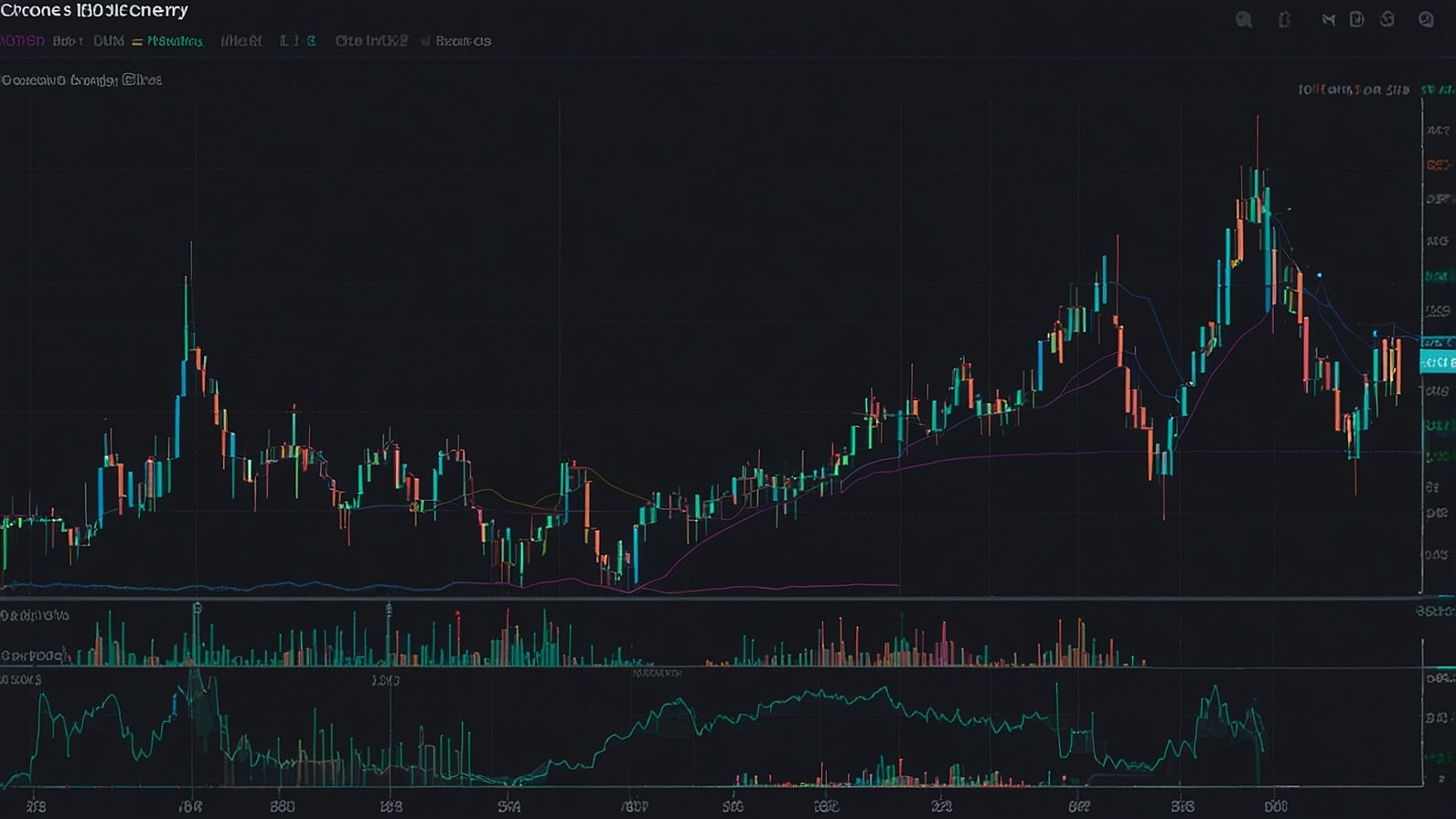
Investors and traders have centred their attention on Bitcoin, the world’s main cryptocurrency, as its price is currently $104,000. Although Bitcoin reached an all-time high of $111,980 in late May, current trends in the market hint that it could be about to fall in value in the coming week. A decline in the market may result from technical signs, taking profits and various macro-economic factors that are making traders review their standpoints.

A Stellar Performance Reaches Imbalance

Bitcoin’s movement beyond six figures was a significant moment that grantee it top performer status in 2025. This year, BTC surged from $74,000 to about $111,980 thanks to more organisations buying it, positive regulations and a lively market. Although Bitcoin reached a new high, it has since struggled to go above the key resistance zones of $106,000–$112,000 because of multiple failed attempts, pointing to a lack of energy from buyers. Currently, Bitcoin is valued at $104,696 which is 0.7% less compared to yesterday due to a more conservative market atmosphere.

Some tech analysts are pointing at different technical signs that suggest the market might pause. Currently, the Relative Strength Index (RSI) stands at 53.45 and is moving down which indicates the stock’s upward activity is lessening. The appearance of a bearish divergence on MACD confirms that the trend is still turning bearish for a period of time. On four-hour charts, Bitcoin has moved to form both lower highs and lower lows which has usually come ahead of a bigger pullback.

Profit-Taking Intensifies

Many people taking profits in the financial markets is one of the main reasons Bitcoin has fallen. A firm called Glassnode has reported that more Bitcoin investors cashed out their profits as the digital currency surged earlier this week. Institutional investors were clearly taking profits in late May which can be seen by the big ETF sell-off in the last trading days of the month. this movement points out that those holding Bitcoin long term are choosing to sell which can bring down Bitcoin’s price.

A level of $100,000 which used to be tough to break, has now become an important support for the market. If this level is broken by the market, analysts think that it could cause many more sell-offs, possibly sending the price of Bitcoin to $96,000 or $100,000. A recent analysis by U.Today mentions that if Bitcoin drops below $102,126, we may witness it approaching the $100,000 level soon.

Traders tracking the $103,000 to $106,000 zone are saying they expect to see Bitcoin recover or potentially falter soon.

Macroeconomic Clouds Loom

On top of other issues, uncertain conditions in the world economy are limiting Bitcoin’s growth. Latest developments such as problematic trade negotiations between the US and China and a ruling that halted proposed tariffs, have caused instability in the markets. Because Bitcoin is speculative in nature, it is easily affected by changes in investor mindsets, even though it is not linked to trade policies.

Type historically, the price of cryptocurrency has mirrored the performance of technology stocks, since both are reacting to geopolitical stress. Moreover, the chances of the US dollar getting weaker and reminders from companies like BlackRock that quantum computing dangers affect Bitcoin’s safety have unsettled the market.

As tensions between Russia and Ukraine have appeared again, Bitcoin’s price has gone down by 8% from its peak. Traders are currently putting their money in safe assets following the latest events, a market analyst explained at Cointelegraph and without another strong catalyst, trading could head sideways or lower in June.

In the futures market, the level of open interest hasn’t gone up, showing that people are less sure about where Bitcoin will go in the short term.

Institutional Confidence vs. Short-Term Risks

Some bad signals have not stopped institutions from showing strong interest in Bitcoin. MicroStrategy and Metaplanet have kept buying Bitcoin and just recently, Metaplanet added 1,088 BTC to its wealth, bringing its total stack to 8,888 BTC. Lately, $432 million has flowed into the market, proving that investors are confident about Bitcoin in the long term.

But if Bitcoin’s price drops a lot, these strategies might meet problems, because half of corporate treasuries would lose money below the $90,000 point, according to Standard Chartered.

Saifedean Ammous, writing The Bitcoin Standard, pointed out that the recent prices indicate a wobbly position for Bitcoin. He emphasised that, according to history, there is a rise in value 12–18 months after the block subsidy halving and the latest halving will happen in April 2024. As a result, the market might be in a tough position where a major correction, close to 80%, may take place if history follows the same pattern.

What are the important things happening in the upcoming week?

Analysts are currently monitoring main levels to figure out Bitcoin’s direction. A fall below $103,000 could cancel out the inverse head and shoulders pattern from the hourly charts and raise the possibility of BTC reaching the levels of $101,000 to $102,000. should Bitcoin quickly surge above $106,000, backed by significant volume, it could create a fresh rally that takes Bitcoin to $110,000 or above.

According to Doctor Profit, whose predictions have been accurate in the past, Bitcoin need to recover $108,000 soon as missing that level might result in a deeper correction.

There is mixed news in on-chain analysis. As reported by Sygnum Bank, Bitcoin’s quantity is getting smaller but demand is dropping recently. Bitcoin’s 30-day demand reached around 229,000 BTC on May 28 which was a bit lower than the peak demand seen at the market high in December 2024. The reduced interest in buying stocks might limit any further gains for the near future.

Handling and coping with unpredictable changes

The next week promises to be very important for investors. Bitcoin is expected to recover in the long run because of more investors and a history of market rallies, but in the short term, difficulties and external factors make things less certain. Traders should keep a close watch on the $103,000–$106,000 range as a significant downturn could happen if it breaks.

Seeing as there is strong support close to $100,000 and the futures market is doing well, sell-offs may be viewed by long-term investors as a good time to pick up more Bitcoin (BTC).

At this important moment, how the market responds to economic and political news will play a key role for Bitcoin. Although we should be careful for now, the strength of Bitcoin’s main features implies any downward trend might only be a brief break before it continues upward.

Liquid Staking Derivatives (LSDfi): Unlocking the Next Phase of DeFi

The decentralized finance ecosystem has witnessed numerous evolutionary leaps, but few have been as transformative as the emergence of Liquid Staking Derivatives Finance (LSDfi). This innovative sector represents the convergence of two powerful forces: liquid staking derivatives and DeFi protocols, creating unprecedented opportunities for yield generation while introducing new layers of complexity and risk.

Understanding the LSDfi Revolution

LSDfi represents a fundamental shift in how staked assets are utilized within the DeFi ecosystem. Traditional staking requires users to lock their assets, typically ETH, for extended periods to earn validator rewards. However, liquid staking protocols like Lido, Rocket Pool, and Frax Finance revolutionized this model by issuing liquid staking tokens (LSTs) such as stETH, rETH, and sfrxETH in exchange for staked assets.

These LSTs serve as receipt tokens that represent staked positions while maintaining liquidity. The innovation lies in their ability to be deployed across various DeFi protocols, effectively allowing users to earn staking rewards while simultaneously participating in additional yield-generating activities. This dual-earning mechanism forms the foundation of the LSDfi ecosystem.

The sector gained significant momentum following Ethereum’s Shapella upgrade in April 2023, which enabled staking withdrawals and solidified confidence in liquid staking mechanisms. Lido pioneered the LSDfi space as a leading liquid staking protocol with the highest TVL at $28.70 billion. This massive total value locked demonstrates the market’s appetite for liquid staking solutions and the trust placed in these protocols.

Yield Strategies: Maximizing Returns Through Composability

LSDfi protocols have developed sophisticated yield strategies that leverage the composable nature of DeFi. The primary approach involves using LSTs as collateral across multiple protocols simultaneously, creating yield-stacking opportunities that can significantly outperform traditional staking rewards.

One prevalent strategy involves depositing LSTs into lending protocols like Aave or Compound to earn lending yields while the underlying staked ETH continues generating validator rewards. Users can then borrow against their LST collateral to acquire additional assets, which can be restaked or deployed in other yield-generating activities. This leveraged approach can amplify returns but also increases risk exposure.

Another popular strategy involves providing liquidity to automated market makers (AMMs) using LST pairs. For instance, users might provide liquidity to stETH/ETH pools on Curve or Balancer, earning trading fees and liquidity mining rewards in addition to the underlying staking yield. These strategies often achieve annualized percentage yields (APYs) ranging from 8% to 15%, substantially higher than standalone staking returns.

More sophisticated protocols have emerged to optimize these strategies automatically. Protocols like Pendle allow users to separate the yield-bearing component of LSTs from the principal, creating derivative markets for future yields. This innovation enables users to trade on their yield expectations and potentially achieve higher returns through yield trading strategies.

According to bitemycoin, the most successful LSDfi strategies involve careful risk management and diversification across multiple protocols and yield sources. The composability of these strategies allows for complex yield farming operations that can adapt to changing market conditions and optimize returns across various DeFi primitives.

Protocol Architecture and Risk Assessment

The LSDfi ecosystem operates through a complex web of interconnected protocols, each introducing specific risk vectors that users must carefully consider. Common risks facing LSDfi protocols include slashing risks, LSD price risks, smart contract risks, third-party risks, and regulatory risks.

Slashing risk represents perhaps the most fundamental concern, as validator misbehavior can result in penalties that directly impact LST holders. While individual risk is distributed across large validator sets in established protocols, the aggregate risk remains significant, particularly for smaller liquid staking providers with less robust validator management systems.

Smart contract risk emerges from the multiple protocol interactions required for LSDfi strategies. Each additional protocol in a yield strategy introduces potential vulnerabilities, creating cascading risk scenarios where failures in one protocol can impact the entire strategy. Users should carefully assess the platform’s security measures and protocols before engaging in LSD activities.

Price risk manifests through the potential divergence between LST values and their underlying assets. While most LSTs trade at slight premiums or discounts to ETH, market stress can cause significant depegging events. The UST/LUNA collapse serves as a stark reminder of how quickly confidence can erode in derivative assets, though the underlying mechanisms differ significantly.

Liquidity risk becomes particularly acute during market downturns when LST secondary markets may experience reduced depth. Users relying on quick exit strategies may face significant slippage or temporary inability to exit positions. This risk is compounded in leveraged strategies where forced liquidations can occur during market volatility.

Regulatory uncertainty adds another layer of complexity, as staking derivatives may face increased scrutiny from financial regulators. The classification of LSTs as securities could significantly impact their utility within DeFi protocols and their overall adoption trajectory.

Market Dynamics and Competitive Landscape

The LSDfi market has experienced explosive growth, with total value locked across liquid staking protocols reaching unprecedented levels. The competitive landscape features several dominant players, each with distinct approaches to liquid staking and DeFi integration.

Lido Finance maintains its position as the market leader, controlling a significant portion of staked ETH through its stETH token. The protocol’s success stems from its early market entry, robust validator network, and extensive DeFi integrations. However, concerns about centralization and validator concentration have sparked debates about Lido’s dominance and its implications for Ethereum’s decentralization.

Rocket Pool offers a more decentralized alternative, enabling individuals to operate validators with reduced capital requirements through its node operator network. This approach appeals to users prioritizing decentralization, though it results in slightly more complex tokenomics and potentially higher gas costs for certain operations.

Frax Finance has introduced innovative mechanisms through its Frax Ether (frxETH) and Staked Frax Ether (sfrxETH) tokens, incorporating algorithmic elements and yield optimization strategies. The protocol’s approach to yield distribution and its integration with the broader Frax ecosystem represents a unique value proposition in the LSDfi space.

The average S&P 500 dividend yield hovers around 1.27% for 2024, lower than 2023’s 1.47%. This context highlights the attractiveness of LSDfi yields, which typically range from 4% to 8% for base staking rewards, with additional DeFi yields potentially doubling these returns.

Future Outlook and Evolution

The LSDfi sector continues evolving rapidly, with several trends shaping its future trajectory. The emergence of liquid restaking tokens (LRTs) represents the next frontier, enabling staked ETH to secure additional networks through EigenLayer and similar protocols. This development could further enhance yield opportunities while introducing new risk considerations.

Cross-chain expansion is another significant trend, with liquid staking protocols exploring opportunities on alternative blockchains. As proof-of-stake networks proliferate, the demand for liquid staking solutions across different ecosystems is likely to drive innovation and market expansion.

The integration of real-world assets (RWAs) with LSDfi protocols presents another avenue for growth. By using LSTs as collateral for RWA-backed loans or incorporating traditional financial instruments into yield strategies, the sector could bridge the gap between DeFi and traditional finance.

However, challenges remain significant. Current LSDFi projects all face a seemingly unsolvable issue: using governance tokens to subsidize user returns, which leads to the continuous dilution of the value of governance tokens. This sustainability concern highlights the need for more robust economic models that don’t rely solely on token emissions for yield generation.

Conclusion

LSDfi represents a paradigm shift in DeFi, transforming previously illiquid staking positions into productive capital that can participate in complex yield strategies. The sector’s rapid growth demonstrates strong market demand for these solutions, while highlighting the importance of careful risk management and protocol selection.

As the ecosystem matures, successful LSDfi protocols will likely be those that balance yield optimization with robust risk management, sustainable tokenomics, and strong security practices. For users, the key to success lies in understanding the multifaceted risks involved and constructing diversified strategies that align with their risk tolerance and investment objectives.

The future of LSDfi appears bright, with continued innovation in yield strategies, risk management tools, and cross-chain integrations. However, users must remain vigilant about the evolving risk landscape and the potential for regulatory changes that could impact the sector’s trajectory. As always in DeFi, the pursuit of enhanced yields must be balanced against the imperative of capital preservation and prudent risk management.

Restaking Wars: EigenLayer vs Karak vs Symbiotic – The Battle for Shared Security Dominance

The restaking landscape has evolved from EigenLayer’s early monopoly into a fierce three-way competition that’s reshaping how decentralized networks secure themselves. With Symbiotic reaching $200 million in deposits within a day of launch and Karak offering multi-asset support, the race for restaking dominance has intensified. Each protocol brings distinct advantages, creating a complex decision matrix for builders and validators.

The Architectural Divide: Different Approaches to Shared Security

EigenLayer: The Pioneer’s Advantage

EigenLayer maintains its position as the established leader with $15 billion in pooled funds and 1,500 operators. The protocol’s architecture centers on Ethereum’s existing validator infrastructure, allowing stakers to opt into additional validation duties through Active Validation Services (AVS). EigenLayer’s operators receive a 10% commission from AVS services, with the remainder allocated to delegated assets.

The protocol’s maturity shows in its robust ecosystem and battle-tested infrastructure. For AVS projects seeking immediate access to substantial economic security, EigenLayer offers the clearest path with proven operator networks and established slashing mechanisms.

Symbiotic: Modular Flexibility

Symbiotic, developed by Paradigm and Cyber Fund, is a permissionless protocol providing shared security through restaking with a fundamentally different architectural philosophy. Symbiotic stands out with its flexible, modular architecture, allowing for the use of various assets as collateral and offering developers complete control over their restaking configuration.

This modularity extends to governance structures, where Symbiotic allows multiple arbitration resolvers, whereas EigenLayer does not specify this but it is also possible. The protocol’s permissionless nature means networks can tailor every aspect of the restaking experience to their specific requirements.

The backing from Lido’s co-founders adds significant credibility, as Symbiotic will be “a permissionless restaking protocol that provides flexible mechanisms for decentralized networks to coordinate node operators and providers of economic security”.

Karak: The Multi-Asset Maximalist

Karak distinguishes itself from EigenLayer and Symbiotic by offering a more holistic approach to shared security. While EigenLayer focuses primarily on ETH and liquid staking tokens, Karak supports various assets such as EigenLayer core offerings like ETH and LST but goes further to add LP tokens, stablecoins.

Karak is a universal restaking layer already compatible with a wide range of assets, including LSTs, stablecoins like USDe and sDAI, and Pendle PT positions. This asset diversity makes Karak particularly attractive for yield-seeking investors who want to maximize their capital efficiency across different DeFi primitives.

Feature-by-Feature Breakdown

Asset Support

  • EigenLayer: Primarily ETH and liquid staking tokens
  • Symbiotic: Modular support for various assets with customizable parameters
  • Karak: Broadest asset support including LP tokens, stablecoins, and yield-bearing assets

Architecture Philosophy

  • EigenLayer: Ethereum-native with proven validator infrastructure
  • Symbiotic: Permissionless and modular with maximum customization
  • Karak: Universal restaking layer with multi-chain ambitions

Economic Models

  • EigenLayer: Fixed 10% operator commission structure
  • Symbiotic: Flexible commission and arbitration mechanisms
  • Karak: Variable economic models adapted to different asset types

According to Dart-Europe, these different economic models reflect the evolving landscape of shared security protocols.

Developer Experience

  • EigenLayer: Mature tooling and established AVS ecosystem
  • Symbiotic: Complete control over restaking parameters
  • Karak: Simplified integration for diverse asset types

Risk Assessment: The Hidden Costs of Competition

EigenLayer’s Risks

The pioneer carries the burden of being the primary target for exploits. Its massive TVL creates systemic risk, where a single vulnerability could impact the entire Ethereum ecosystem. The protocol’s complexity increases with each new AVS, potentially creating unforeseen interactions.

Symbiotic’s Risks

The modular approach, while flexible, introduces complexity that could lead to configuration errors. The permissionless nature means less oversight of individual network implementations. Additionally, the protocol’s relative newness means it lacks the battle-testing that EigenLayer has undergone.

Karak’s Risks

Supporting diverse assets creates new attack vectors and slashing conditions. The protocol must maintain security standards across multiple asset types with different risk profiles. Cross-chain ambitions add additional complexity and potential failure points.

Builder Migration Patterns: Where the Ecosystem is Moving

The migration patterns reveal interesting trends about developer preferences and strategic positioning. AVS projects wanting security in early stages will build on EigenLayer as it has the most robust economic security and ecosystem.

However, emerging projects are increasingly choosing based on specific needs:

Early-stage projects often prefer EigenLayer for its established security guarantees and operator networks. The protocol’s proven track record provides crucial legitimacy for new AVS projects seeking institutional adoption.

Innovation-focused builders are gravitating toward Symbiotic for its customization capabilities. Projects requiring novel economic models or governance structures find Symbiotic’s modularity essential for their specific use cases.

Yield-optimized projects are exploring Karak for its diverse asset support. Retail investors or investors seeking income opportunities outside of ETH/multi-chain assets may choose Karak and Symbiotic.

The emergence of multi-protocol strategies is becoming common, with swBTC holders earning restaking yield from Symbiotic, EigenLayer, and Karak simultaneously. This trend suggests that the future may not be winner-take-all but rather a specialized ecosystem where each protocol serves distinct use cases.

The Future of Restaking Wars

The rise of restaking protocols like EigenLayer, Symbiotic, and Karak underscores the growing complexity and sophistication of the DeFi ecosystem. Rather than a single dominant protocol, we’re seeing specialization emerge.

EigenLayer’s institutional credibility and massive TVL make it the go-to choice for established projects requiring immediate access to substantial economic security. Symbiotic’s modularity appeals to innovative projects pushing the boundaries of what’s possible in shared security. Karak’s multi-asset approach creates opportunities for yield optimization and capital efficiency.

The competition benefits the entire ecosystem by driving innovation in security models, economic mechanisms, and developer tools. According to dart-europe, AVS and restaking technology eliminate the burden of building underlying trust networks, allowing projects to focus on developing new features and better decentralization.

As the restaking wars continue, the winner may not be any single protocol but rather the emergence of a more robust, diverse, and innovative shared security ecosystem that serves the varying needs of an increasingly complex DeFi landscape. The future belongs to protocols that can adapt, innovate, and serve specific market segments rather than trying to be everything to everyone.

Rising Utility Costs Push Businesses Toward Smarter Water Management

For many businesses, water is one of those overheads that quietly ticks along in the background. It’s not until the bills begin to rise or something goes wrong that it gets any real attention. But in reality, keeping an eye on your business’s water usage and spending doesn’t have to be a hassle, and can save you a surprising amount of money in the long run.

The first place to start is with your bill. It sounds obvious, but understanding exactly what you’re paying for is often overlooked. Charges for supply, wastewater, drainage, and other standing fees can add up quickly, and not every part of the bill is easy to make sense of at first glance. Set aside a bit of time to go through it, line by line. If you’ve got more than one premises, compare them. You might spot inconsistencies or charges that don’t seem quite right. Just getting a clearer picture of where your money is going can make a big difference to how you manage it.

Check if you can switch supplier

Once you’ve got a handle on the numbers, it’s worth finding out if you’re in a position to change your supplier. Since the water market in England opened up, most businesses can choose who they buy their water and wastewater services from. Despite this, a lot of companies are still with their old supplier, not because they’re getting the best deal, but simply because they’ve never thought to switch.

It’s a bit like switching your business broadband or energy provider. The water itself still comes from the same place, but the pricing, the billing system and the level of customer service can vary quite a bit. You might find a supplier that offers better rates, clearer invoicing, or services that are more in tune with how your business operates. Changing over is usually straightforward, and there’s no disruption to your service, which makes it an easy win if you’re trying to keep costs down. So it’s a great idea to compare business water providers and their offers to see if it’s worth switching for your company.

Use water more efficiently in daily operations

That said, switching isn’t the only way to reduce costs. Sometimes it’s the day-to-day habits that end up having the biggest impact. Leaky taps, faulty loos, or machinery that’s seen better days can waste more water than you’d expect. Replacing a valve here or tightening up maintenance checks might not feel like much at the time, but over a few months, the savings start to show.

If you run a café, office, or shop, even small changes like fitting tap aerators or putting up reminders for staff to turn off taps properly can make a difference. In more industrial settings, there might be opportunities to recover and reuse water from one part of the process to another. The solutions don’t need to be fancy, just sensible and suited to how your business runs.

Review your usage regularly

Lastly, don’t forget to keep an eye on things. It’s easy to let months pass without looking at a water bill closely, especially if the amount doesn’t change much. But setting a reminder to check it now and then can help you spot any changes early, whether it’s a leak, a spike in usage, or something in your operation that needs tweaking.

Saving money on water doesn’t have to involve big projects or major investments. With a bit of attention and a few simple shifts, most businesses can trim their costs without any fuss. It’s all about making smarter choices with what you already have.

Leadership Shift at Logix BPO Sees Founder Anthony Godley Become Chairman, Chris Mackintosh Appointed CEO

0

Cebu-based business process outsourcing specialist Logix BPO has unveiled a leadership transition to steer the company into its next phase of growth and global development.

Effective June 2025, company Founder and CEO Anthony Godley has transitioned into the position of Chairman and Founder. Former COO Chris Mackintosh has now been appointed Chief Executive Officer, taking over full operational leadership and continuing the company’s momentum.

Strategic Growth Through Leadership Evolution

The leadership restructuring reflects Logix BPO’s commitment to evolving its executive structure to match the scale and complexity of its rapidly growing organization. Since its founding in 2021, the company has experienced remarkable expansion, growing from a small Australian-based operation to a multinational BPO powerhouse with operations spanning the Philippines, Africa, and India.

“We are implementing a strategic leadership change to better support our continued business growth and operational excellence,” said Anthony Godley, newly appointed Chairman and Founder. “This restructuring ensures stronger executive presence and control within our operational centers, while bringing additional skills and experience to our senior leadership team that align with our expanding business requirements.”

The transition represents the first of several anticipated changes across the leadership structure throughout 2025, positioning the company for its next phase of international expansion and service diversification.

Company Growth Trajectory

Logix BPO’s transformation from startup to industry leader demonstrates the effectiveness of its business model and operational approach. Originally founded in Queensland, Australia, in 2021, the company initially supported Australian businesses with a small operations team in Cebu, Philippines. By 2023, rapid growth necessitated significant structural changes, with the establishment of a global holding company in the United Kingdom and the creation of a new Philippine entity, while the original Australian operations were consolidated.

The company’s growth trajectory has been particularly impressive in its Philippine operations, where it now maintains an office capable of supporting over 1,000 staff members. This expansion has established Logix BPO as the leading independently owned BPO and contact center in Cebu, competing effectively with larger multinational corporations while maintaining its entrepreneurial agility and client-focused approach.

Comprehensive Service Portfolio

Logix BPO has built its reputation on delivering comprehensive business process outsourcing solutions across multiple verticals. The company’s core service offerings include customer service for both voice and non-voice channels, chat and email support, ticket management systems, and specialized outbound services. Additionally, the company provides technical support and IT helpdesk services, content moderation solutions, and specialized medical retrieval services.

The organization has also expanded into strategic business support functions, offering outsourced finance, recruitment, and digital services that enable clients to focus on core business activities while maintaining operational efficiency and cost-effectiveness.

Industry Recognition and Certifications

Logix BPO’s commitment to operational excellence and workplace culture has earned significant industry recognition. The company achieved Great Place to Work certification in both 2024 and 2025, demonstrating its dedication to maintaining a positive, supportive work environment that attracts and retains top talent across its global operations.

The organization maintains rigorous compliance standards, holding multiple industry certifications including ISO 27001 for information security management, ISO 9001 for quality management systems, and compliance with GDPR, HIPAA, and CCPA regulations. These certifications underscore the company’s commitment to data security, privacy protection, and operational quality that meets international standards.

Cultural Diversity and Ethical Operations

Central to Logix BPO’s operational philosophy is its commitment to maintaining a highly ethical and culturally diverse work environment. This approach has proven instrumental in attracting diverse talent pools across its multiple geographic locations while ensuring consistent service quality and cultural sensitivity in client interactions.

The company’s emphasis on cultural diversity extends beyond mere compliance, representing a strategic advantage in serving clients across different markets and time zones. This multicultural approach enables Logix BPO to provide nuanced, culturally appropriate support that enhances client satisfaction and business outcomes.

New CEO Vision and Experience

Chris Mackintosh brings extensive operational experience and strategic vision to his new role as Chief Executive Officer. His previous tenure as Chief Operating Officer provided comprehensive exposure to all aspects of Logix BPO’s operations, from daily service delivery to strategic planning and international expansion initiatives.

Under Mackintosh’s operational leadership, the company successfully navigated its international expansion, established new service lines, and maintained high client satisfaction rates while scaling operations across multiple continents. His promotion to CEO reflects the board’s confidence in his ability to lead the organization through its next growth phase.

“As you step into the CEO role, you’re inheriting not just a company, but a living legacy built by countless dedicated hands and hearts,” said Godley in his message to the new CEO. “The foundation is strong, but the future belongs to your vision and leadership—trust your instincts, stay close to our people, and never lose sight of the values that brought us this far.”

Chairman’s Continued Involvement

While transitioning from the CEO role, Anthony Godley will remain actively involved in the company’s strategic direction as Chairman and Founder. His continued presence ensures continuity of vision and values while providing mentorship and strategic guidance to the executive team.

“While I’m transitioning to chairman, I will of course continue to be part of the leadership team as a resource and supporter, but not as a shadow over your decisions,” Godley emphasized. “This company has always thrived because we’ve empowered great people to do great work, and I have complete confidence that you’ll take us to the heights we forecast over the coming years.”

Market Position and Competitive Advantages

Logix BPO’s position as the premier independently owned BPO in Cebu provides significant competitive advantages in the rapidly evolving outsourcing market. Unlike larger multinational corporations, the company maintains entrepreneurial flexibility and rapid decision-making capabilities while offering the scale and infrastructure necessary to serve enterprise clients effectively.

The company’s independent ownership structure enables customized service delivery approaches and direct client relationships that larger competitors often cannot match. This positioning has proven particularly attractive to mid-market and growing enterprise clients seeking personalized service combined with professional capabilities and compliance standards.

Future Growth Initiatives

The leadership transition positions Logix BPO for accelerated growth across multiple dimensions. The company plans to expand its geographic footprint, enhance service offerings, and deepen client relationships through improved operational capabilities and strategic partnerships.

Key growth initiatives include expanding operations in existing markets, exploring new geographic opportunities, and developing specialized service capabilities that address emerging client needs in digital transformation, automation, and specialized industry verticals.

Market Leaders Emerge Among Online Arbitrage Sourcing Providers

If you’re selling through online arbitrage and want to grow your Amazon business, one of the hardest parts is finding products that actually make a profit. Searching through websites for deals can be an exhausting process, an hours-long task, and you might unknowingly miss the best deals. That’s why many sellers use sourcing lead providers—tools and services that give you profitable product ideas every day.

Here, we are going to walk you through the top sites and platforms that help online arbitrage sellers find great deals easily and conveniently. If you’re a beginner or even advanced, these resources save you time, expand your profit margins, and allow you to scale faster.

What Are Online Arbitrage Sourcing Leads?

Before diving into the top platforms, let’s first take a quick look at what these sourcing tools offer and why they matter.

Online arbitrage sourcing leads are already researched lists of products that you can buy from online stores and resell on websites like Amazon for a profit. The leads are built using real data, such as product prices, ROI, sales rank, and demand, so you don’t have to spend hours doing the research yourself. No matter if you’re starting out or already experienced, these lists cut down on time and make smarter buying decisions.

There are hundreds of websites offering online arbitrage deals, but based on trust, results, and reputation, here are 4 of the most popular and reliable ones we recommend

1) OABeans

OABeans.com is one of the top websites that helps Amazon sellers find products to resell through online arbitrage. It provides daily lists of handpicked product leads, so sellers don’t have to spend hours searching for deals on their own. Each lead shows you where to buy the product, how much profit you can make, and how well it’s selling on Amazon.

OABeans is great for both beginners who are just starting and experienced sellers who want to grow faster. The products they suggest are usually low in competition and high in demand, making it easier to succeed. Right now, OABeans supports sellers in the U.S. and Canada, offering product leads that fit those specific markets. Take a look at the table below for a quick overview:

Quick Overview of OABeans
Feature Details
Price History Check Uses Amazon price charts with 90-day and 30-day badges to identify reliably profitable deals and buy-box potential.
IP Complaint Check Monitors Keepa seller rotation and IP Alert extension to avoid deals suppressed by IP complaints or illegitimate sellers.
Competition Analysis Lists number of FBA sellers and in-stock competitors within $1 of your price to quickly assess competition.
No Hazmat, Fragile or Oversize Ensures leads exclude hazardous, fragile, or oversized items to keep shipping costs reasonable.
Not Sold by Amazon Confirms leads are not sold by Amazon now or soon, avoiding competition with Amazon and increasing buy-box chances.
Immediate Lead Access Provides instant access to leads from the past few days with subscription—no waiting for daily updates.
Costs & Pricing
plan Leads/month Bonus leads Price/month
starter 200 +100 $88
growth 300 +200 $118
scale 600 +300 $198
Pros &  Cons
Pros Cons
High ROI (30% minimum, 70% average) Smaller seat availability (10–25)
Free FBA calculator included It might be less customizable for power users
Higher profit ($4.5–$5.5 avg., $12 avg.) High traffic may mean more competition for the same leads


2) Tactical Arbitrage

Tactical Arbitrage is an online tool that helps Amazon sellers, especially those using FBA, find profitable products to resell. It can search through over 1,400 online stores to spot good deals across many product categories. Since it works in the cloud, you don’t need to install anything. It’s best for sellers who already have a professional Amazon account, but beginners can also use it thanks to its easy search mode and filters that let you control what kind of products you want to find.

Here’s a detailed comparison to help you understand what this service offers:

Quick Overview of Tactical Arbitrage
Feature Details
Online Arbitrage Searches 1,400+ stores and their categories automatically, with new stores added weekly.
Filter Your Data Allows filtering products based on criteria like a minimum 20% ROI or Best Sellers Rank better than 50,000.
Wholesale Search Analyzes uploaded wholesale manifests to quickly identify profitable deals.
Tactical Edge Examines multiple data points and Buy Box competitors to determine optimal listing prices.
Reverse Lookup Finds profitable items by searching from Amazon products back to hundreds of source stores.
Library Search Identifies high-ROI opportunities for new or used books across all genres and conditions.
Pricing
Plan New Annual Prices
Flip Pack $590
Wholesale $690
Online Arbitrage $890
WS + OA $1,090
Full Suite $1,290
Pro $1,490
Pros & Cons
Pros Cons
 

Access to past prices and sales rank trends for better-informed decisions.
Monthly pricing can be high, especially for those just starting out.


Supports various sourcing strategies like reverse search and flips.


Complex features may overwhelm beginners and require time to master.


3) Seller Essentials

SellerEssentials is a free and practical guide for people who want to start or grow their online selling business on platforms like Amazon. It’s especially useful for sellers interested in models like online arbitrage, retail arbitrage, wholesale, and private label. Rather than being a tool itself, Seller Essentials helps users discover and compare the best tools, services, and resources available in the market. It’s ideal for beginners who need direction, but even experienced sellers can use it to find updated training, new tools, and trusted recommendations.Below is a quick summary table outlining everything you need to know:

 Quick Overview of SellerEssentials


Feature Details
Amazon Selling Models Info Covers Amazon FBA, FBM, Arbitrage, Wholesale, Liquidation, Bundling, and related topics.
Resources & Strategies  

Offers tips and strategies to help grow your online Amazon business.
Tools & Services Recommendations Lists and discusses tools like FBA supplies, prep services, VAs, repricers, scanning apps, calculators, and research tools.
 

Amazon Process Guidance
Information on brand/category restrictions, fulfillment center locations, and FBA shipping.
Pros & Cons


Pros Cons
Provides dedicated customer support to assist Amazon sellers Information overload may overwhelm new sellers and hinder decision-making.
Offers a subscription to “Essential Updates” for continuous tips and resources Requires significant time to engage and filter relevant content.

4) Fast Track FBA

Fast Track FBA is an online platform created to support and guide Amazon sellers, whether they’re just getting started or looking to scale their business. It was founded in January 2019 by Thomas Parkinson, a successful entrepreneur and two-time 7-figure Amazon FBA seller. With years of real-world experience, Thomas built Fast Track FBA with a mission: to help other sellers grow by sharing the tools, knowledge, and systems he used to succeed.

Fast Track FBA is especially valuable for sellers looking for high-quality product leads, personal coaching, and training on how to hire and manage Virtual Assistants (VAs). The team also emphasizes building a supportive community of sellers who can learn and grow together. The table below highlights the key details about Fast Track FBA  :

Quick Overview of Fast Track FBA


Feature Details
Weekly Lead Quantity Provides between 30 and 50 leads per week
Minimum Profit (USD) Profit margins vary
Average Monthly Sales per Lead Sales figures vary
Number of User Accounts (Seats) Allows 10 users
Amazon Seller Exclusion Checks to ensure leads aren’t sold by Amazon
Extra Analytical Features Comes with an Analytical Panel
Pricing Plans


Service Details
Advance 200 Tokens ($149)/Month
Basic 120 Tokens ($99)/Month
ProsCons


Pros Cons
The service includes thorough price history verification to help identify profitable deals  May not suit sellers who want more customization or variable costs
It monitors IP rights complaints to ensure product listings are legitimate and avoid potential issues.
Competition analysis is provided to help you understand the market and make smarter sourcing decisions.


Tips for Choosing a Sourcing List Company

When picking a sourcing list provider for online arbitrage, it’s important to make sure they offer leads that are not only profitable but also safe and tailored to your needs. Below are key tips to help you choose wisely:

Know Your Marketplace

Check that the provider serves the Amazon marketplace where you sell—whether that’s Amazon.com (USA), Amazon.ca (Canada), or another region. There’s no point buying leads that aren’t relevant to your store.

Evaluate Lead Quality

Good leads should come with useful info like return on investment (ROI), profit margin, sales rank, competition, and IP warnings. This makes it easier to pick products without needing other tools.

Check Customer Support

Especially if you’re new to online arbitrage, having responsive support can help you get started smoothly. A good provider should offer help when you need it, not just take your subscription money.

Look for a Free Trial or Sample Leads

Look for a free trial or some sample leads. This lets you test the service first so you don’t waste your money on poor-quality lists.

Match the Plan to Your Budget

Start with a plan that fits your current sales level. Many companies have beginner plans so you can start small and upgrade later as your business grows.

Final Thoughts: Which Company is Best for You?

If you’re a beginner and want a simple, ready-to-use lead list, OABeans is a great pick. For advanced sellers who want full control and detailed tools, Tactical Arbitrage is a top choice. Want more training and community? Try Seller Essentials. Looking for daily UK/US leads with extra coaching? Fast Track FBA could be the best fit.

Choose a provider that matches your business style, goals, and budget. And remember: finding good leads regularly is the key to long-term profit.


Thames Water Faces Uncertain Future as KKR Abandons Rescue Deal

0

KKR, a global firm of US origin, recently abandoned its rescue scheme, challenging Thames Water, Britain’s major water supplier. As a result, more people are worried about the government taking control.

KKR’s Withdrawal That Impacts the Industry

After KKR left suddenly, Thames Water had to find other investors to cover losses. Because it caters to a quarter of the UK’s customers, the company struggles financially and with daily operations, raising doubts about its ability to operate in the constrained market long-term.

Government and Stakeholders on High Alert

Because of the risk of Thames Water’s collapse, there has been a rapid exchange of ideas with regulators and creditors. The company’s next step is to try a plan for senior creditors, which is its only hope of avoiding administration. Authorities are closely watching the situation to defend consumers and jobs.

A History of Financial Strain

For a long time, Thames Water has been criticized for its finances. Many years of spending less and having high debt have damaged the country’s finances. Since the company’s infrastructure is used by millions, it needs as much as $75 billion worth of upgrades to meet present-day standards.

Consumer Impact Looms Large

Because the water agency Thames Water has nearly 8,000 staff and services dozens of millions of customers across London and southern England, there is a risk that a possible collapse could cause water outages. People may have to pay higher bills for sewage services, while water pollution due to sewage remains an important issue that the regulators must address.

Castle Water Enters the Disciple’s Life

As the biggest independent water company in the UK, Castle Water said it is eager to give financial support. This action might improve Thames Water’s operations, but experts say a rescue package has to resolve the company’s main challenges.

Regulatory Scrutiny Intensifies

Following a recent review of the water industry, people call its systemic issues “deep-rooted” failures. While Ofwat is being urged to introduce stricter policies, campaigners state that the crisis at Thames Water calls for major improvements in the water sector.

Environmental Concerns Add Pressure

Many people have complained about Thames Water’s impact on the environment, mostly due to sewage spills. River Action’s James Wallace and others are criticizing the company for focusing on its profits rather than updating the water system. Because of the crisis, more people are urging nationalization to ensure the institutions remain answerable and sustainable.

Those Following the Creditors’ Plan Can Be Cheerful

Thames Water depends on the creditors’ proposal to keep the business operating. Even though talks are ongoing with Ofwat and other participants, not much is left before the deadline. How successfully the company acquires money and introduces new practices will affect its survival through this challenging period.

The political situation is worsening.

The crisis has caused political controversy, and the Labour government is being accused of incompetent negotiations. Andrew Griffith, the shadow business secretary, said that Labour has not made decisions that would help businesses. The government keeps saying it is focused on saving jobs and services.

Industry-Wide Implications

What Thames Water experiences is similar to difficulties affecting the UK water sector as a whole. Many people question whether privatized utilities choose to invest in infrastructure or focus on giving back to their shareholders. What happens to the company may influence the government and regulators in dealing with similar utility situations.

Economic Context Adds Complexity

The OECD announced last year that it expects the UK’s annual growth rate to be 1.3% in 2025 due to issues with trade tension and high public debt. Thames Water going into administration could cause more problems for the economy and households, since employment cuts or bigger bills might occur.

A Race Against Time

Thames Water’s leaders are under great pressure to devise a workable rescue strategy. The lack of KKR approval has revealed the company’s weaknesses, and stakeholders are working hard to address the issue before it becomes a major problem.

The integrity of Public Trust is put to the Test

More people are doubting Thames Water, as they encounter disruptions and have to deal with increasing bills. In order to regain people’s trust, the company has to care for the environment and make long-term sustainability a priority, which will involve big changes in operations and finances.

Investors Worldwide Monitor Things Closely

Because of the crisis, international investors focus on Thames Water to test how the UK’s privatized utilities work. If the situation is not handled well, it could limit foreign investment in the industry and affect the whole economy and its growth.

A requisite for Structural Reform

Those who oppose Thames Water say this debacle proves that the water industry should be restarted from the beginning. Experts are debating better rules, more money invested, and the acceptance of public ownership to prevent such problems in the future.

What Lies Ahead for Thames Water

At this important moment, the future of Thames Water depends on finding new money and carrying out reforms. The result will touch the lives of millions and decide how the UK’s water industry develops for many years.

A Key Moment for the Sector

The problems at Thames Water make it clear to the UK’s privatized utilities that they need to pay attention. Every move the company makes now will be watched carefully, as pressure from the public and politicians keeps increasing. Having a conclusion that works out could upgrade trust, but if things go wrong, the outcome could severely disrupt the entire industry and its customers.

XRP Gains Momentum in Global Finance

0

It’s been good news for XRP, which closed at $2.20 on June 5, 2025, with a positive daily increase of 2.29%. Among the top four highest-market-cap coins, XRP indicates rising trust in Ripple’s cross-border payment services, and the entire market is worth over $3.30 trillion.

Market Cap and Volume Signal Strength

XRP’s high rank is boosted by its $129.4 billion market capitalization and a solid $1.97 billion of trading volume in 24 hours, which increased by 19.50%. The 1.52% volume-to-market-cap ratio suggests that Ripple’s liquidity is moderate since traders continue to respond to the coin’s field updates and price movements.

Supply Dynamics and Circulation Trends

There are 99.98 billion XRP coins in the world, and its total supply can only grow to 100 billion. The current supply of XRP is 58.75 billion, still affected by Ripple’s planned escrow releases. Because supply is regulated, the price of metals does not fluctuate much, regardless of random changes in the market.

Ripple’s Legal Clarity Fuels Rally

After the SEC’s successful ruling for Ripple in 2024 and better rules in the industry, XRP has become more appealing to investors. Many of the posts on X talk about XRP’s rapid rise of 250% in a year, thanks to adoption by global institutions and the possibility of an XRP ETF. For this reason, XRP has become a prominent brand in blockchain payments.

Institutional Adoption Drives Demand

XRP is now widely accepted in cross-border transactions because of Ripple’s cooperation with banks in Asia and Europe. There is speculation in the US about the launch of XRP spot ETFs, which has made investors more interested. This could lead to less supply and an increase in the price of XRP.

Analysts See Positive Trends in Technical Analysis

Technical signals indicate that XRP is forming a positive pattern, and analysts think it could reach $2.50-$3.00 by the third quarter of 2025. Two days of strong trading volume explain the 2.29% rise in the price of Ripple. But since the market is trading very high, a temporary drop cannot be ruled out, so we should be cautious.

Ripple’s Technology Gains Traction

XRP and the Ripple blockchain are still faster and more affordable than SWIFT. When the XRP Ledger is used in DeFi and for tokenized assets, it serves more purposes and is preferred by institutions searching for scalable options.

Level of Whale Action and Investor Sentiment

There are signs that whales are collecting XRP, as reports of an exchange-traded fund (ETF) cause them to purchase XRP. Greed Score at 57 indicates that sentiment is positive, still a large influx of funds from whales could make the market volatile. Ripple’s recent activities are closely watched by those hoping to make decisions.

Competition in the Industry and Main Challenges

Other payment-focused blockchains, such as Stellar, challenge XRP. Some opponents think X’s centralization is a concern because Ripple is responsible for managing the tokens. Still, XRP is the leader in cross-border payments thanks to the strategic alliances it has formed.

Competitive Landscape and Challenges

Movements made in regulation by the US and the EU have further increased XRP’s place among cryptocurrencies. Aimed at joining the XRP token with real-life assets and developed in May 2025, Ripple’s $300 million tokenization project may also decrease the number of XRP in the market and support a rise in its long-term worth.

Prices and Possible Threats

Analysts project that XRP could be at $3.50-$4.00 near the end of this year and might even reach $10 by 2030, as indicated by CoinPedia. At the same time, changes in market forces and rules can be dangerous for BNPL companies. Ripple’s escrow releases and how widely adopted the digital coin is worldwide can indicate its future trends.

XRP’s Influence in the World Economy

XRP is an important part of Ripple’s easy and fast international payments plan. Because it can settle transactions very quickly, it is disrupting the financial industry as we know it. With its growing network, Ripple is expected to keep XRP functional and well-used in the market.

Conclusion: XRP’s Bright Future

XRP’s recent achievements, made possible by Solid rules and accepting partners, show it is moving in a favorable direction. Regardless of volatility and competing currencies, Ripple’s development guarantees XRP an active part in upgrading world financial systems. As a result, investors can find advantages and threats in the changing cryptocurrency world.

Language Tech Startups Compete to Serve Growing French-Speaking Market

Expanding your startup into the French market offers incredible growth potential—but it also comes with one major hurdle: the language barrier. French customers expect clear, localized communication across every touchpoint, from websites and product listings to customer support and marketing materials. That’s why investing in the right translation tools isn’t just helpful—it’s essential.

In this guide, we’ve curated the top 10 translation tools for 2025 tailored to the unique needs of UK startups entering France. Whether you’re translating technical documents, localizing your app, or updating your online store for French users, these tools can help you do it faster, more accurately, and affordably.

Why UK Startups Need Translation Tools to Enter the French Market

Entering a new market like France isn’t just about logistics—it’s about language. For UK startups, failing to communicate in French can cost customer trust, lower conversion rates, and even lead to legal missteps. French consumers overwhelmingly prefer content in their native language, whether they’re shopping online, reading reviews, or engaging with customer support.

While hiring native-speaking teams or freelance translators is one approach, it’s often too slow or expensive for fast-moving startups. That’s where translation tools come in. They provide scalable, cost-efficient, and increasingly accurate solutions for turning English content into French that resonates.

From website localization to product listings and legal documentation, the right translation tool can help startups compete on equal footing with native French businesses—without breaking the bank or slowing growth.

What to Look for in a Translation Tool for Business Use

Choosing the right translation tool can make or break your market entry. UK startups need tools that are fast, accurate, cost-effective, and built for real business needs—not just basic language conversion. Here are the most important features to look for:

  • High Translation Accuracy – Especially for legal, financial, and marketing materials where mistakes can cost you credibility or compliance.
  • AI + Human Quality Hybrid Options – Tools that offer editable outputs or allow human-in-the-loop review help ensure clarity and tone.
  • Speed and Automation – Look for tools that allow batch processing or API access to handle content at scale.
  • Glossary or Brand Memory – Helps maintain consistency with product names, tone, and industry-specific terms.
  • Document and Website Support – Multi-format capabilities are essential for real-world startup use cases.
  • Affordability and Flexible Plans – Startups benefit from free tiers, pay-as-you-go options, or usage-based pricing.
  • Security and Compliance – Especially for tools handling sensitive data, SOC 2 compliance or anonymization features are a plus.

Top 10 English to French Translation Tools

Each of the tools listed below is evaluated with UK startups in mind—especially those preparing to enter the French market in 2025. For every tool, we’ve included a brief overview of what it does best, its ideal use case (like translating websites, UI text, or legal documents), along with pros and cons, pricing details (where available), and why it could be a strong fit for your specific business needs.

1. MachineTranslation.com

MachineTranslation.com is built for UK startups entering the French market. It combines speed, accuracy, and affordability by aggregating top AI engines like DeepL, Google, and ChatGPT. Users can view side-by-side results and select the most accurate English-to-French translation.

The platform supports document, website, and image uploads, with automatic terminology detection and a segmented bilingual view for precise editing. The AI Translation Agent personalizes tone and phrasing to match your brand. Registered users benefit from memory features that apply preferred terms in future translations.

With translation quality scores, key term comparisons, and AI-powered insights, MachineTranslation.com provides startups with a reliable, customizable solution to localize content efficiently and launch with confidence.

Translate from English to French with MachineTranslation.com

2. DeepL Pro

DeepL Pro is one of the most widely respected translation platforms for English to French. Known for its natural-sounding output and strong linguistic nuance, it’s a go-to choice for startups that prioritize translation quality.

The platform offers document-level translation in Word and PowerPoint formats, along with browser extensions and desktop apps that are helpful for daily business use. It’s especially effective for startups working with French-language marketing content, customer support templates, and investor materials.

DeepL Pro’s interface is clean and simple, and its accuracy—especially between English and French—is among the best in the market. While it lacks some of the customization and multi-engine features of MachineTranslation.com, it’s a solid standalone solution for businesses that need clean, fluent translations with minimal revision.

Translate from English to French with DeepL Pro

3. Google Cloud Translation

Google Cloud Translation is a powerful tool for startups that prioritize automation, scalability, and integration. It’s part of Google Cloud’s suite of enterprise tools and offers strong support for English to French translation through its API, making it ideal for SaaS platforms, apps, and content-heavy websites.

UK startups can use it to translate dynamic content, user interfaces, and product descriptions in real time—especially when paired with internal systems or CMS platforms. The tool also supports glossary integration, allowing for better control over brand terms and product names.

While it doesn’t offer side-by-side output comparison or bilingual editing like MachineTranslation.com, Google Cloud Translation excels in high-volume, back-end-driven translation tasks where speed and automation matter most.

Translate from English to French with Google Cloud Translation

4. Smartling

Smartling is designed for startups that need more than just translation—it’s a full-scale localization management platform. For UK startups expanding into France, Smartling offers workflow automation, translation memory, and team collaboration tools that make scaling multilingual content more efficient.

Smartling supports website, app, and document translation and integrates with major CMS platforms and design tools. It provides detailed reporting on translation quality and turnaround time, which is helpful for startups aiming to move fast while maintaining consistency.

While it may require a higher investment and onboarding effort than lighter tools, its enterprise-level capabilities are well-suited for startups preparing for rapid, cross-border growth.

Translate from English to French with Smartling

5. Weglot

Weglot is a plug-and-play website translation tool that allows UK startups to instantly convert their sites into multiple languages, including French. It’s designed for speed and simplicity, requiring no developer support to get started.

Weglot automatically detects and translates all on-page content, integrates with popular CMS platforms like WordPress and Shopify, and provides a visual editor so you can fine-tune translations in real context. It also includes features like language switchers, SEO indexing for translated pages, and basic glossary support.

While Weglot doesn’t offer AI comparison or translation scoring like MachineTranslation.com, it’s an ideal choice for startups that want to launch a French version of their website fast without building a localization pipeline from scratch.

Translate from English to French with Weglot

6. Crowdin

Crowdin is a localization management platform built for product and development teams working in fast-paced environments. For UK startups entering the French market, Crowdin makes it easy to manage multilingual content across websites, mobile apps, software, and documentation—all from a single workspace.

It supports collaborative workflows, allowing developers, translators, and marketers to work together in real time. Crowdin also integrates directly with GitHub, Bitbucket, Figma, and popular CMS tools, streamlining the update and deployment process.

While it doesn’t include AI translation comparisons like MachineTranslation.com, Crowdin is ideal for startups that prioritize version control, agile content delivery, and in-context editing.

Translate from English to French with Crowdin

7. Mate Translate

Mate Translate is a lightweight translation tool ideal for UK startups looking for a quick and accessible way to handle basic English-to-French translations. Available as a browser extension and desktop app, it enables instant translations of selected text, emails, and web pages without switching tabs or opening new tools.

It supports over 100 languages, including French, and works across Chrome, Safari, iOS, and macOS. Mate Translate stores your translation history and allows you to create custom word lists, which can help maintain terminology consistency in casual or repetitive business communication.

While it doesn’t offer advanced features like terminology scoring or AI engine comparison like MachineTranslation.com, Mate Translate is perfect for quick, on-the-go translations during everyday tasks such as writing emails, scanning French websites, or responding to customers.

Translate from English to French with Mate Translate

8. Memsource (Phrase)

Memsource (now branded as Phrase) offers a robust localization platform designed for companies that want full control over their translation workflow. For UK startups entering the French market, it provides powerful automation features, translation memory, and advanced quality assurance tools.

Startups can translate English content into French using Phrase’s cloud-based platform, which integrates with CMS systems, design tools, and code repositories. The platform also offers AI-driven suggestions, centralized terminology management, and real-time collaboration.

While it’s more complex to set up than tools like Mate Translate or Weglot, Phrase is a strong choice for startups expecting to scale quickly and manage large volumes of content across teams and channels.

Translate from English to French with Memsource (Phrase)

9. POEditor

POEditor is a cloud-based localization tool that simplifies the translation process for websites, apps, and digital products. For UK startups targeting the French market, POEditor provides a clean interface, API integration, and collaborative functionality that makes managing multilingual content easy.

It supports multiple file formats and works well with software development teams, making it ideal for startups that are continuously deploying updates or managing content across platforms. POEditor also includes a translation memory, automatic string import/export, and support for third-party translation services.

While it lacks advanced AI scoring and engine comparison like MachineTranslation.com, it’s a practical, affordable solution for tech-savvy teams focused on streamlining their localization workflow.

Translate from English to French with POEditor

10. Reverso

Reverso offers a context-driven translation platform that’s especially useful for startups writing customer-facing content or internal documents. For UK startups expanding into France, Reverso helps ensure natural-sounding English-to-French translations by showing how words and phrases are used in real-world sentences.

It’s particularly helpful for translating marketing materials, customer service templates, or emails where tone matters. The platform includes grammar checks, verb conjugation, and vocabulary suggestions—all of which help fine-tune content before it’s shared with French audiences.

While it doesn’t provide multi-engine comparison or deep localization workflows like MachineTranslation.com, Reverso is a practical tool for startups that want more control over tone and clarity in everyday communications.

Translate from English to French with Reverso

Choose the Right English-to-French Translation Tool for Your Startup

Whether you’re building a website, launching a product, or scaling your content in a new market, choosing the right English-to-French translation tool can determine how effectively you reach French-speaking customers.

Each of the tools in this list offers something unique—from high-accuracy AI translations to full-scale localization platforms. Consider your startup’s size, workflow, and long-term goals when selecting the tool that fits your needs.

With the right translation partner, you can enter the French market confidently—communicating clearly, professionally, and in the language your new customers expect.

  • bitcoinBitcoin (BTC) $ 88,283.00 0.02%
  • ethereumEthereum (ETH) $ 2,983.81 0.05%
  • tetherTether (USDT) $ 0.999785 0.01%
  • bnbBNB (BNB) $ 853.41 0.04%
  • xrpXRP (XRP) $ 1.92 0.63%
  • usd-coinUSDC (USDC) $ 1.00 0.01%
  • solanaWrapped SOL (SOL) $ 125.24 0.84%
  • tronTRON (TRX) $ 0.288051 2.82%
  • staked-etherLido Staked Ether (STETH) $ 2,984.82 0.16%
  • cardanoCardano (ADA) $ 0.362205 3.55%
  • avalanche-2Avalanche (AVAX) $ 12.05 1.68%
  • the-open-networkToncoin (TON) $ 1.46 2.35%
Enable Notifications OK No thanks