
Nineteen percent of DIY investors are cutting their airline holdings. At the same time, 43% are piling into energy stocks—a decisive portfolio shift triggered by escalating conflict in the Middle East and widespread fears that inflation is about to climb.
The figures come from new research by Charles Stanley Direct, part of Raymond James Wealth Management, which surveyed self-directed investors about how they’re repositioning their portfolios in response to the Iran war. The results reveal a striking flight to safety—or at least to sectors that historically weather geopolitical storms.
Eighty-four percent of respondents believe global inflation will rise because of the conflict. A third of that group—33%—expect a significant increase, while 51% anticipate a slight uptick. Those inflation fears are driving concrete action.
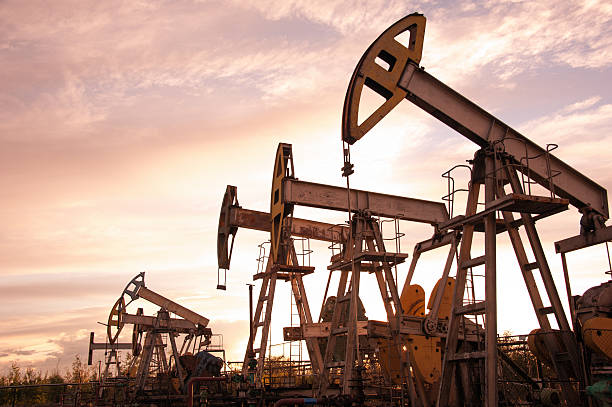
Energy tops the list of sectors attracting fresh capital, with 43% of investors increasing exposure. Technology matches that figure at 43%, while artificial intelligence sits just behind at 42%. Defence stocks and gold—the classic crisis hedge—each attracted 41% of investors looking to add exposure.
The exodus from airlines stands out. Nearly one in five investors is actively reducing exposure to the sector, making it the most-shunned asset class in the survey. Luxury stocks follow closely at 18%, while oil—despite the energy sector’s popularity—sees 15% of investors trimming positions.
That last point reveals a curious tension in the data. Forty percent of investors are increasing oil exposure, yet 15% are cutting it. The contradiction likely reflects uncertainty about whether supply disruptions will push prices higher or whether a broader economic slowdown will dampen demand.
Rob Morgan, Chief Investment Analyst at Charles Stanley Direct, acknowledged the challenge oil shocks pose for markets. “Oil shocks can be challenging for markets, and this time is no exception. Almost every business relies on energy in some way, whether that’s powering factories, running delivery fleets, or heating stores and offices. When oil and gas prices rise, they ripple across supply chains and push up the cost of goods and services across the whole economy.”
His point cuts to the core of why 84% expect inflation to climb. Energy price spikes don’t stay contained—they cascade through supply chains, pushing up costs for manufacturers, retailers, and consumers alike. The concern is that even investors who rotate into energy stocks won’t fully escape the broader economic impact.
“In portfolios there aren’t many hiding places from an inflationary shock of this type, the potential ones being short-term, high-quality bonds, gold, and energy stocks,” Morgan noted. “But if you’re investing for the long term and have a diversified approach, it’s usually best to just sit tight. Market timing – especially during geopolitical crises – is notoriously difficult. Unless your portfolio has major biases toward one sector or region, the ups and downs should be manageable.”
The survey data suggests many investors are heeding at least part of that advice. Just 27% plan to take a high level of risk over the next three months. Nearly half—47%—are opting for a moderate risk approach, a sign that caution is prevailing even as portfolios are being reshuffled.
Beyond the headline sectors, the research shows investors spreading their bets across assets traditionally associated with volatility and uncertainty. Retail and consumer goods stocks are attracting 36% of investors, while manufacturing sits at 33%. Silver, often seen as gold’s more volatile cousin, drew interest from 32% of respondents.
Telecoms, typically viewed as defensive plays, attracted 31% of investors looking to increase exposure. The sector’s appeal likely stems from its relatively stable revenue streams—people keep paying their phone bills even when oil prices spike and geopolitical tensions flare.
The shift away from airlines is particularly stark given the sector’s sensitivity to fuel costs. Rising oil prices squeeze margins for carriers, which face the unenviable choice of absorbing higher costs or passing them on to passengers already grappling with inflation. For investors, that squeeze translates into heightened risk at precisely the moment many are looking to reduce it.
Luxury stocks face a different challenge. The 18% of investors reducing exposure likely worry that a combination of inflation and economic uncertainty will dampen demand for high-end goods. When consumers feel squeezed, discretionary purchases—especially expensive ones—tend to suffer first.
The survey captures a moment of active repositioning rather than paralysis. Investors aren’t fleeing to cash or freezing their portfolios. They’re making calculated moves, attempting to balance inflation protection with long-term growth potential.
Whether those moves prove prescient depends on variables that remain unknowable—how long the conflict persists, whether it escalates further, and how aggressively central banks respond if inflation does accelerate. What’s clear from the data is that investors aren’t waiting for those answers. They’re hedging now.
The defence sector’s appeal—41% of investors increasing exposure—reflects a grimmer calculation. Geopolitical instability tends to be good for companies that supply military equipment and services. That investors are rotating into defence stocks in meaningful numbers suggests they don’t expect tensions to ease quickly.
Gold’s showing—also 41%—follows a well-worn playbook. The metal has served as an inflation hedge for centuries, and its appeal spikes whenever currency values and bond yields face uncertainty. That four in ten investors are adding gold exposure underscores how seriously they’re taking the inflation threat.
The question Morgan raised about market timing looms over all of this. Geopolitical crises are notoriously difficult to trade. Conflicts escalate and de-escalate unpredictably. Oil prices can spike on supply fears one week and crash on demand concerns the next. Investors who rotate aggressively into energy stocks today could find themselves wrong-footed if diplomatic breakthroughs emerge or if a broader economic slowdown overwhelms supply concerns.
Yet the alternative—sitting entirely still while 84% of your peers expect inflation to climb—carries its own risks. The survey data suggests most investors are trying to split the difference: making targeted adjustments rather than wholesale portfolio overhauls, increasing exposure to potential hedges while stopping short of high-risk bets.
By the time the next quarterly earnings season arrives, the success or failure of these moves will start becoming clear. For now, the data offers a snapshot of investor sentiment at a moment of genuine uncertainty—airlines grounded, energy stocks climbing, and nearly everyone braced for higher prices.



 Bitcoin
  Ethereum
  Tether
  XRP
XRP  BNB
BNB  USDC
USDC  Solana
  TRON
TRON  Lido Staked Ether
  Cardano
  Avalanche
  Toncoin