
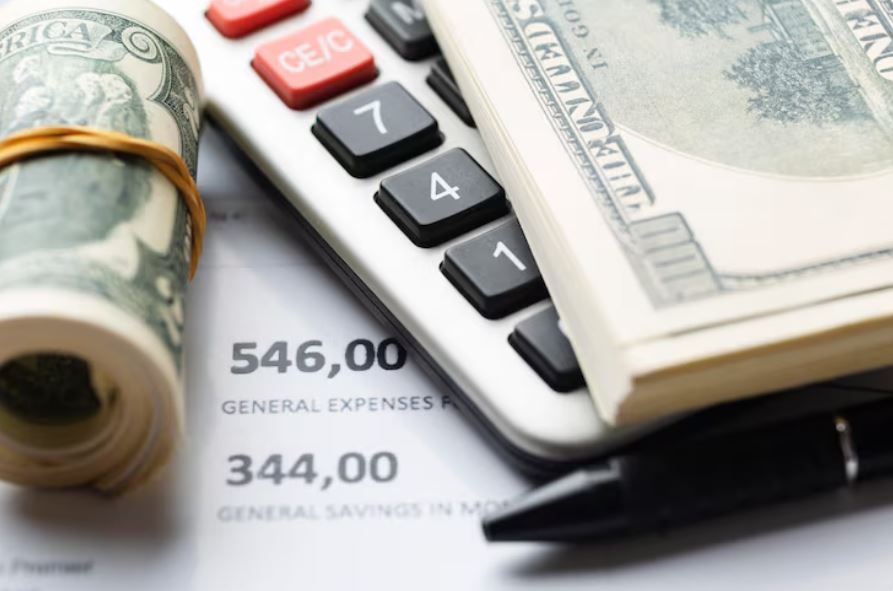
Almost no homeowner wants their name printed on a certain type of document, and nearly all real estate investors pay a high price to view it. The delinquent tax roll is a public list that, although technically boring and merely a spreadsheet of past-due accounts, is actually one of the most illuminating documents that any county generates. You’ll understand what I mean if you visit the Waxahachie, Texas tax office on a slow Tuesday. A few days later, a list is delivered after the clerk takes the forty dollars and slides a request form across the counter. Parcel numbers and names. Red-colored numbers.
Even though the costs and penalties vary from county to county, the regulations are strangely uniform throughout the nation. Before unpaid taxes are considered delinquent, most jurisdictions grant an owner a grace period, which is typically one year or less. The penalties then add up. The unpaid balance is typically increased by 10%. In some areas, such as San Francisco, the interest rate keeps rising at a rate of 1.5% per month, which, if you ignore it, can become extremely harsh. The majority of homeowners who fall behind might not have intended to. Life happens: a divorce that no one anticipates, a death in the family, or a loss of employment. All of it is anonymously recorded in dollar amounts on the roll.
| Detail | Information |
|---|---|
| What it is | An official county record listing properties with unpaid property taxes past their statutory deadline |
| Typical access fee | $40 in most Texas counties, including Comal and Ellis |
| Update frequency | Weekly in many counties (Brazoria County refreshes Fridays, publishes Mondays) |
| Standard penalty | 10% on the unpaid portion, plus additional administrative fees |
| Post-default interest | Roughly 1.5% per month, or 18% annually, in jurisdictions like San Francisco |
| Common contents | Parcel numbers, owner names, addresses, amounts owed |
| Who buys it | Real estate investors, title researchers, journalists, neighborhood watchdogs |
| Sale outcomes | Tax lien certificates or tax deed auctions, depending on the state |
| Redemption window | Anywhere from 30 days to several years, varying by jurisdiction |
The transparency with which counties exchange the data is intriguing. Every week, Brazoria County releases its file. Anyone who is willing to pay via Certified Payments receives the roll via email from Comal County. Cashier’s checks for unpaid taxes can be mailed to Miami-Dade. New York State goes one step further and releases a list of the top 100 individual and corporate tax debtors every quarter. This list resembles a spreadsheet-clad public humiliation list. Reading these lists gives the impression that local governments have come to terms with the awkwardness of documenting financial difficulties. They require the funds. New owners are needed for the properties. The bridge is the roll.
This has long been known to investors. Delinquency data is now aggregated nationally by platforms like PropStream, which has altered the pace of the work. Ten years ago, it was necessary to drive to courthouses, read classified ads in small newspaper print, and occasionally make friends with title clerks in order to locate tax-delinquent properties. Filters and saved searches are now available. Although the competition has increased, the discounts may still be genuine because these properties are frequently sold at lien or deed auctions for less than market value. At online auctions, aggressive bidders appear and drive prices up to the point where the bargain turns into a typical deal in a less expensive jacket.
Additionally, all of this has a more subdued aspect that is not discussed at investor seminars. There is a house behind every line on the roll. Sometimes the heirs fail to file after the owner passes away. Sometimes the neighborhood has just learned to look past a building that has been abandoned for years. Occasionally, a senior citizen truly didn’t comprehend the bill. Walking through some blocks in older cities, it’s difficult to ignore the fact that the same houses appear on the same rolls year after year—a sort of slow-motion vacancy that the paperwork eventually catches up to.
The cautions are well known, but they should be reiterated for anyone thinking about purchasing off the roll. Title searches are important. Not all liens disappear during a tax sale; some municipal debts and IRS claims may endure. Rushing into renovations can be an expensive mistake because some states still allow the original owner to redeem the property months after the gavel falls. Before a property can be cleanly refinanced or resold, a quiet title action is frequently necessary. The simple part is the forty-dollar list. The work is everything that comes after.
However, the roll itself continues to be one of those records that provides more information about a location than the majority of official records. It’s a record of who was unable to pay, who declined, and who just vanished. For the appropriate reader, it also serves as a map.



 Bitcoin
  Ethereum
  Tether
  BNB
BNB  USDC
USDC  XRP
XRP  Solana
  TRON
TRON  Lido Staked Ether
  Cardano
  Gram (prev. Toncoin)
  Avalanche