Bitcoin
  Ethereum
  Tether
  BNB
BNB  USDC
USDC  XRP
XRP  Solana
  TRON
TRON  Lido Staked Ether
  Cardano
  Gram (prev. Toncoin)
  Avalanche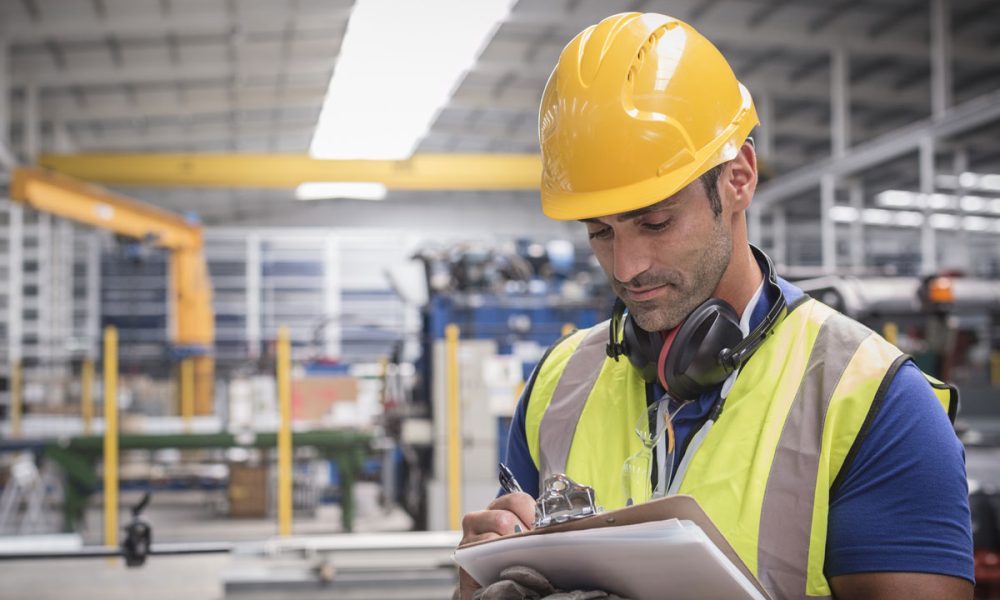
Construction sites don’t stand still. One morning you’re working in open space; by afternoon, scaffolding’s gone up, a crane’s swinging overhead, and the site you knew three hours ago barely exists anymore. On fast-moving commercial builds, that kind of shift can happen multiple times in a single day.
That’s exactly why safety training matters – and why so many workers start by searching for a white card course near me before setting foot on site. Understanding how construction environments change isn’t something you figure out on the job. You learn it before the job starts.
Training covers the basics quickly: how to assess new work zones, spot temporary hazards, and absorb updated site instructions before touching anything. On large residential or commercial projects where phases overlap, that ability to read a changing environment becomes less of a bonus skill and more of a survival requirement.
Timing, Coordination, And The Ripple Effect
Here’s the thing about construction schedules — they’re interdependent in ways that aren’t always obvious. A delay with concrete pours backs up the electricians. A misplaced materials stack blocks the carpenters. One trade running late sends stress signals across the whole site.
Safety education addresses this directly. Workers learn why pathways must stay clear, why storage protocols exist, and why ignoring a safety barrier — even briefly — can put the team three bays over in danger. That broader awareness is a core part of what a construction induction white card program teaches. It’s not just about your zone. It’s about everyone’s zone.
Mental Pressure: The Part Nobody Talks About
Physical demands get plenty of attention. Mental pressure? Less so.
Working under tight deadlines while simultaneously managing safety responsibilities is genuinely taxing. Trained workers handle that pressure better — not because they feel less of it, but because they have procedures to fall back on. When something goes wrong, they don’t freeze or react emotionally. They follow a process.
Programs designed to prepare to work safely in the construction industry spend real time on this. Concentration, situational awareness, disciplined decision-making under stress — these aren’t soft skills. On a live construction site, they’re the difference between a near-miss and a serious incident.
Heavy Machinery: Know The Zone Or Leave It
Forklifts, loaders, cranes. They’re everywhere on modern sites, and they move fast.
Courses teach workers to recognise danger zones around operating machinery, read operator signals, and — this one’s underrated — put the phone away. Distraction near active equipment isn’t just careless. It’s how serious injuries happen. Workers who’ve trained understand why rushing through machinery corridors or assuming an operator can see you is the kind of shortcut that ends badly.
Responsibility Doesn’t Stop At Your Task
Some workers clock in, complete their assigned work, and clock out. That approach causes problems.
Safety depends on the whole workforce thinking beyond individual tasks. Spotted damaged equipment? Report it. Noticed someone taking an unsafe shortcut? Say something. That culture of shared accountability — rather than heads-down individual focus — is what separates functional sites from chaotic ones.
Workers who complete a construction induction white card course consistently come away with a stronger sense of that collective responsibility. The training frames it well: safe sites aren’t built by individuals working carefully. They’re built by teams working carefully together.
When The Unexpected Happens
The weather turns. Equipment fails. Materials shift. No amount of planning eliminates every risk on a construction site.
What training does is prepare workers for that unpredictability. Emergency drills, evacuation procedures, hazard response sequences — these aren’t theoretical. They’re practiced responses to situations that actually happen. Workers searching for a white card course near me are often thinking about exactly these scenarios: what do I do when something goes wrong that nobody planned for?
The answer, almost always, is ‘follow your training’. Stay organised. Don’t improvise under pressure unless you have to.
What The Industry Actually Values Now
Construction companies aren’t just looking for fast workers. They want workers who are fast and safe — because an injury stops productivity entirely, sometimes for weeks.
Programs that prepare to work safely in the construction industry have become a baseline expectation rather than a differentiator. Workers who arrive trained, aware, and ready to follow site protocols are genuinely valued. They build reputations quickly. They get called back.
Speed matters on construction sites. It always will. But the workers who last — and advance — are the ones who figured out that working smart and working safe aren’t competing goals. They’re the same goal.