
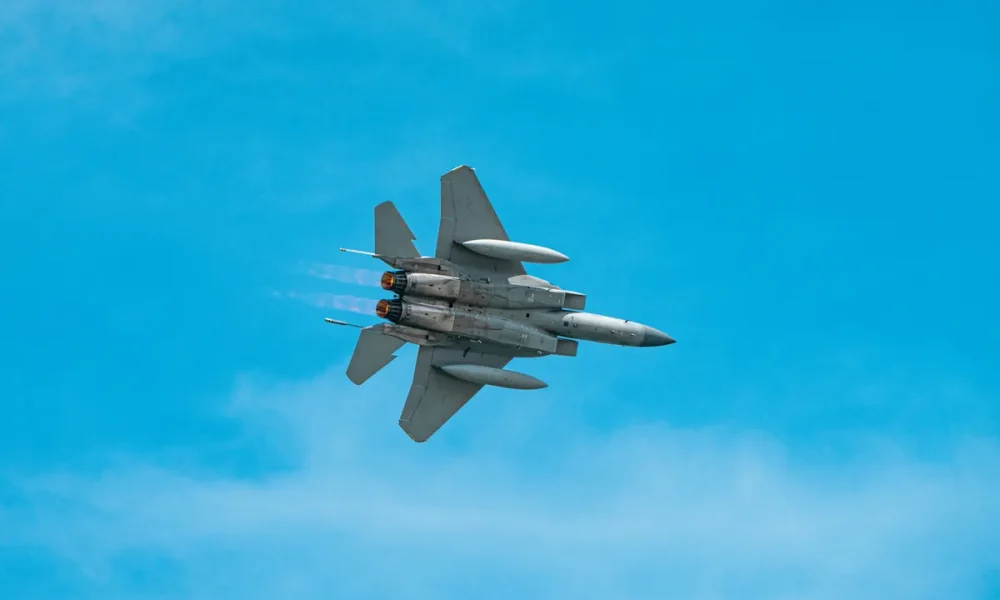
BAE Systems, Babcock International and Rolls-Royce have all delivered first-half results strong enough to push UK defence stocks valuation debates back to the top of investors’ agendas, with each company reporting double-digit profit growth against a backdrop of sustained NATO spending commitments and unresolved conflicts in Ukraine and the Middle East.
UK Defence Stocks Valuation: What the Numbers Say
BAE Systems reported first-half underlying operating profit up 11% to £1.7bn, on sales of £14.6bn, a fraction ahead of market expectations. The interim dividend was raised 11% to 15p per share, giving a trailing yield of 1.7%. The total order book reached a record £84bn, with the order backlog rising to £34.3bn from £32.6bn. Free cash flow came in at £1.8bn, supported by £1.6bn of net customer advances, and management now expects cumulative cash generation for 2024–26 to exceed £6.7bn, an uplift of £700m on prior guidance.
Full-year guidance was raised on multiple metrics. BAE now expects sales growth of 8–10% (previously 7–9%), underlying EBIT growth of 9–11% (previously 8–10%), and EPS growth of 11–13%. Full-year free cash flow is forecast to exceed £2.0bn, excluding any new major customer advances.
At a price-to-earnings ratio of 27.2, BAE is not cheap, and the share price reflects that. The 8.85% five-day gain follows a period in which the 12-month return had settled at just 12.85%, as investors took profits rather than chasing the valuation higher.
Rolls-Royce is the more striking case. Its H1 2026 results showed underlying operating profit rising 46% to £2.5bn, with the underlying operating margin expanding to 22.5% from 19.1% in the prior period. Statutory revenue, as reported by the Investegate RNS filing, came in at £11.4bn, 21% higher year-on-year. The difference between statutory and underlying revenue reflects exchange-rate measurement: statutory revenue uses prevailing average rates (GBP:USD 1.35 in H1 2026), while underlying uses the hedge book achieved rate (GBP:USD 1.38).
Free cash flow rose 24% to £2.0bn. Net cash stood at £2.1bn, with a liquidity position of £9.0bn. Basic EPS climbed 41% to 22.17p. The company declared an interim dividend of 6.0p per share, up 33%, and confirmed it had completed £1.4bn of a planned £2.5bn share buyback for 2026, itself part of a multi-year £7bn–£9bn programme.
Defence accounts for roughly a quarter of Rolls-Royce’s total profits; the civil aerospace and power systems divisions drive the rest. That breadth is part of why the stock carries a P/E of 47, well above its UK defence peers. The setup argues for patience: at that multiple, the margin for error is thin, and any softening in civil aviation demand or engine flying hours could weigh disproportionately on sentiment.
Order Books, Cash Flow and the Risk Checklist
Babcock’s FY26 results, covering the year to 31 March 2026, showed revenue of £5,178m, with 8% organic growth driven by Nuclear and Aviation. Underlying operating profit rose 19% to £433m, though that figure excludes a £140m one-off charge related to design changes on its Type 31 frigate programme. Including prior-year charges, the Type 31 programme at Rosyth has now absorbed approximately £330m in total. The frigates, designated the Inspiration class for the Royal Navy, are the first to be delivered under the National Shipbuilding Strategy, and the late-stage rework on the first two hulls stems from out-of-sequence construction activity.
The underlying operating margin, excluding the Type 31 charge, improved 70 basis points to 8.2%, edging ahead of the company’s own 8% target. Babcock trades at a P/E of 26.7, similar to BAE. Jefferies noted that the third and fourth Type 31 hulls should see a comparatively reduced impact, given they remain at earlier build stages, which limits the tail risk on that contract somewhat.
The core risk across all three names is the same: valuations priced for continued execution leave little room for contract slippage, political spending reversals, or any de-escalation in the conflicts currently sustaining order flow. Western governments’ ability to maintain current defence spending trajectories while managing stretched public finances remains the structural question no results presentation can fully answer.
BAE’s record order book provides multi-year earnings visibility, and the progressive dividend alongside accelerating cash generation strengthens the income case. For Rolls-Royce, the next test is whether the civil aerospace division can sustain engine flying hours at rates that underpin the margin profile heading into 2027. For Babcock, the clean margin reading of 8.2% is the number to watch: a sustained move above 8% would mark a genuine inflection after years of remediation. The Type 31 programme’s third ship, still at early build stage, is the clearest near-term indicator of whether the worst is behind it.



 Bitcoin
  Ethereum
  Tether
  BNB
BNB  USDC
USDC  XRP
XRP  Solana
  TRON
TRON  Lido Staked Ether
  Cardano
  Gram (prev. Toncoin)
  Avalanche