
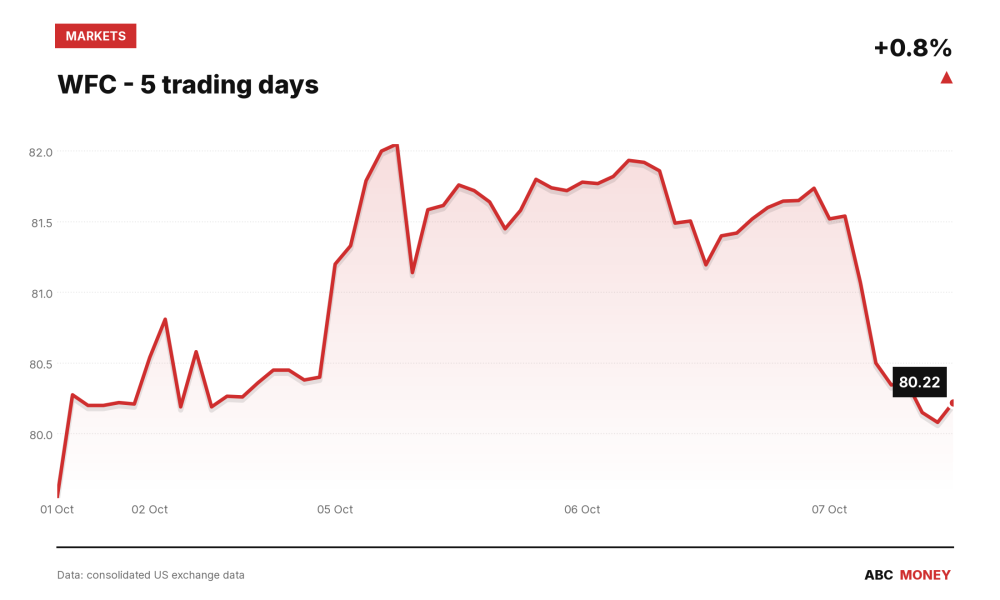
A Wall Street Journal report that Wells Fargo (NYSE: WFC) faces a Wells Fargo regulator probe over its efforts to boost Black homeownership knocked the stock lower on 7 October 2026 – but the wire copy that followed is noticeably more cautious than the headline writers’ summaries. Reuters, citing the same WSJ story, frames the action as a “potential investigation” from the housing authority under the Trump administration, not a formally opened enforcement case.
That distinction is the story here. The underlying claim – that federal housing regulators are scrutinising Wells Fargo’s 2017 pledge to lend $60bn to minority communities, along with related diversity-in-lending commitments – is corroborated across several outlets that picked up the WSJ exclusive. Gurufocus separately named the Department of Housing and Urban Development as the agency involved. But every thread of corroboration traces back to the same unnamed-source reporting, and no primary HUD notice, consent order or enforcement letter has surfaced to confirm a formally opened case. Readers should treat “probe” as shorthand for pre-enforcement scrutiny, not a completed finding.
What moved the Wells Fargo regulator probe story into the share price
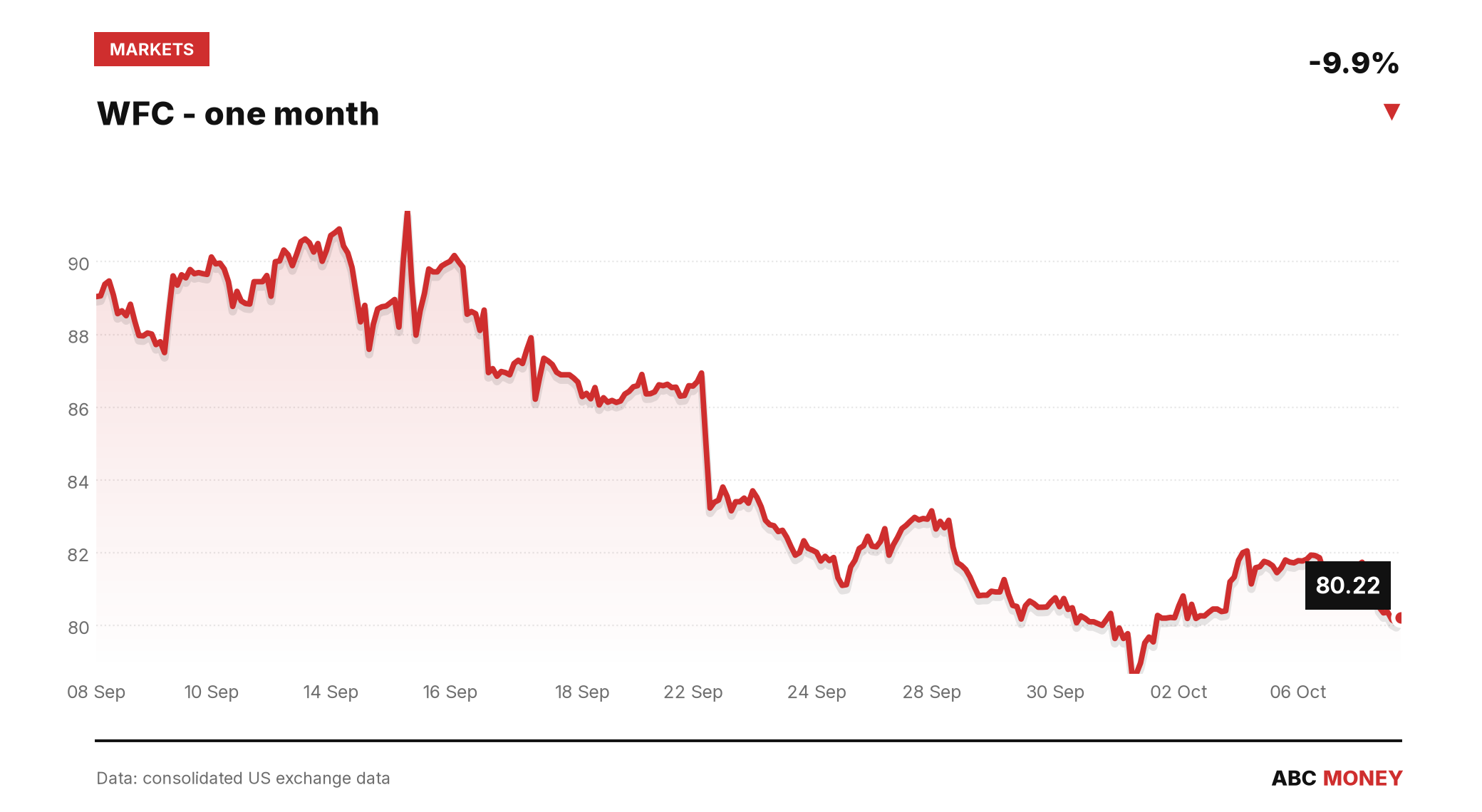
The market reaction was real even if the regulatory status is murky. Wells Fargo shares fell roughly 2.2% intraday on the report, according to Investing.com, part of a broader slide that had the stock trading at $80.255 as of 5pm UTC on 7 October – down 1.58% on the day and 7.7% over the preceding 20 trading sessions, against a 20-day range of $78.665 to $87.91. None of that decline shows up as an unusual positioning shift beforehand: the FINRA short-sale ratio for WFC, which tracks the share of daily volume sold short, sat at 0.264 on 5 October and 0.231 on 6 October – both comfortably within its late-September range, including a 0.352 reading on 24 September. In other words, there’s no sign traders were piling into short positions ahead of the story breaking.
Three Wells Fargo directors – Ronald Sargent, Wayne Hewett and Steven Black – each filed routine Form 4 disclosures with the SEC on 5 October, two days before the WSJ story ran. The filings don’t disclose share counts, so there’s nothing in them to suggest insider awareness of the coming report one way or the other – they’re worth noting only because of the timing, not because they tell us anything concrete.
A bank reporting strong numbers while facing the question
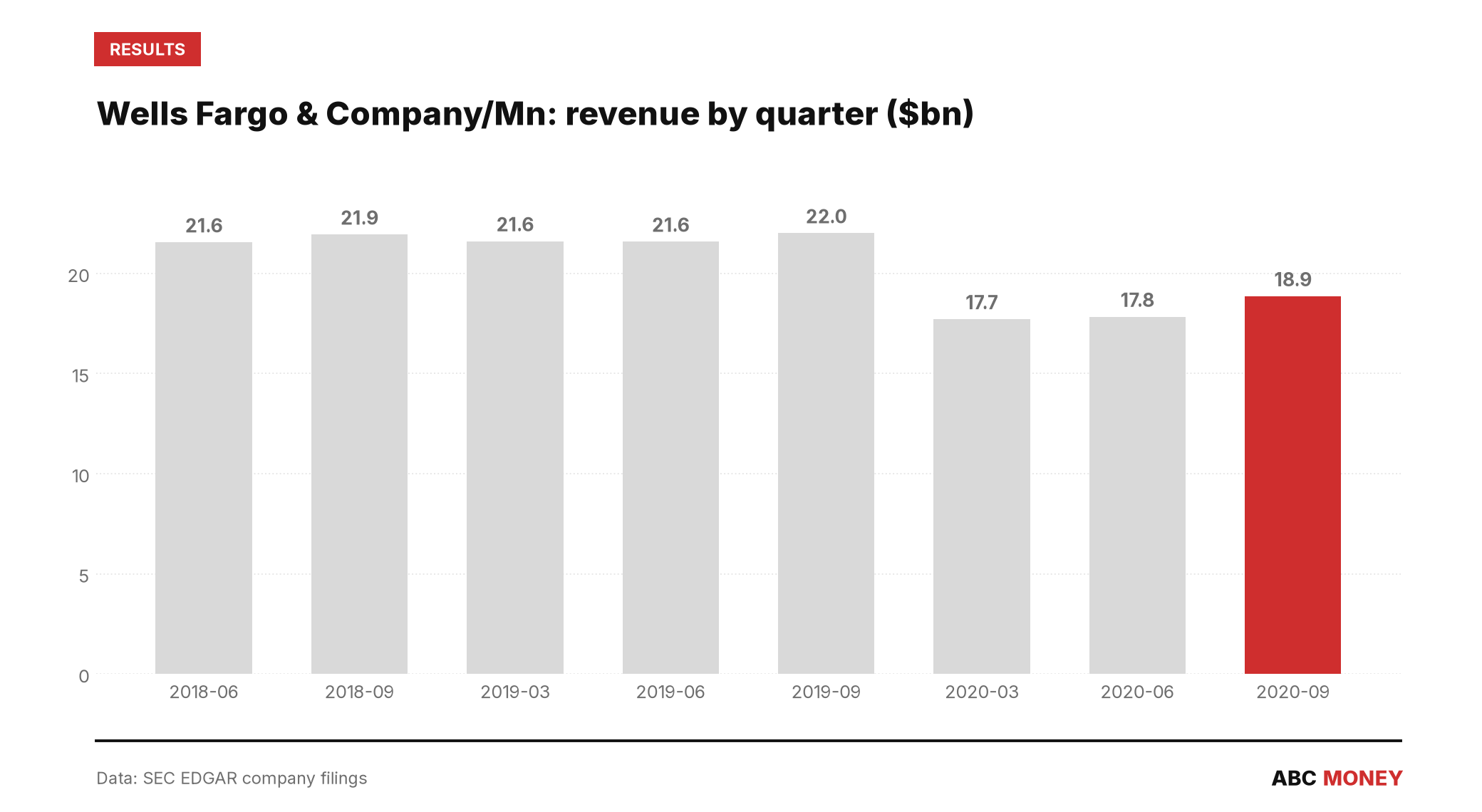
Whatever the regulatory outcome, the scrutiny lands on a bank that has been posting steadily improving results. Wells Fargo’s most recent 10-Q showed net income of $6.407bn and diluted earnings per share of $2.00 for the second quarter of 2026, up from $5.253bn and $1.60 a share the quarter before, and a clear improvement on the roughly $4.6bn to $5.6bn quarterly range the bank posted through 2024 and 2025. That earnings trajectory doesn’t settle the fair-lending question, but it does mean any formal action – should one materialise – would arrive at a moment of underlying financial strength rather than stress, which matters for how markets are likely to price any fine or remediation costs relative to the bank’s capital base.
The 2017 pledge now under examination committed Wells Fargo to lend $60bn to increase minority homeownership, part of a wider industry push following the bank’s earlier sales-practices scandals. Scrutiny of diversity-linked lending commitments has sharpened under the current administration’s housing policy stance, and Wells Fargo is not alone in facing that kind of second look – but it is the bank named in this particular report.
What the record doesn’t yet show
No HUD press notice, no OCC or CFPB enforcement filing, and no Wells Fargo regulatory disclosure confirming an opened case has surfaced publicly. Until one does, the honest framing is that a housing regulator may be examining the bank’s minority-lending commitments, based on reporting that itself leans on unnamed sources, rather than that an investigation has been formally confirmed. Seeking Alpha’s same-day coverage used similarly careful language, describing a probe over the bank “allegedly favoring” Black and other minority homeownership rather than stating one as fact.
Wells Fargo has not, per the available reporting, issued its own statement confirming or denying contact from HUD. Investors watching the stock from here will be looking for exactly that: a company filing, a regulatory notice, or further wire reporting that moves this from “sources say” to something with a paper trail of its own. Until then, the share-price move is the clearest fact in the story – the regulatory one is still unconfirmed.
This article is for information only and is not investment advice or a recommendation to buy or sell any asset. Markets move quickly; figures are correct as sourced at the time of writing. Always do your own research before making financial decisions.


 Bitcoin
  Ethereum
  Tether
  BNB
BNB  USDC
USDC  XRP
XRP  Solana
  TRON
TRON  Lido Staked Ether
  Cardano
  Gram (prev. Toncoin)
  Avalanche