
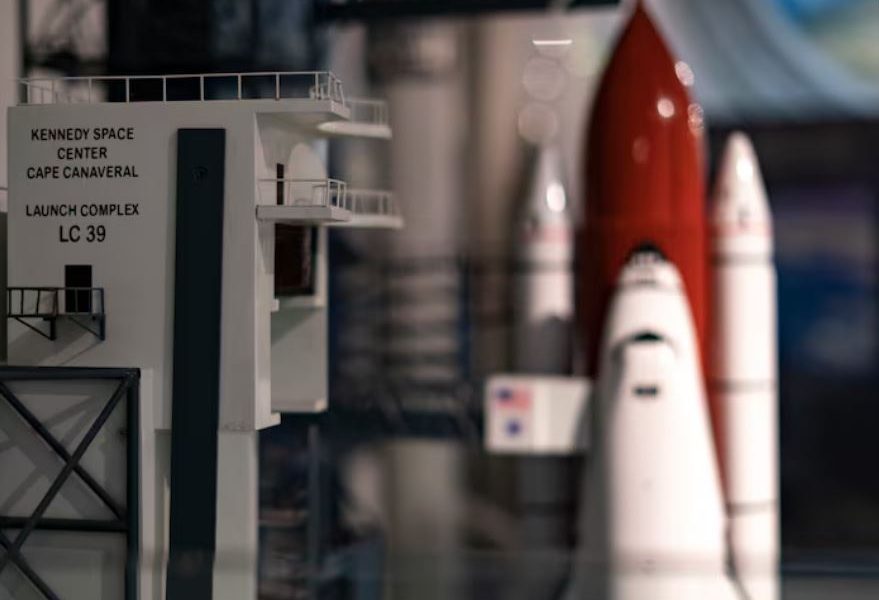
When management announces a multibillion-dollar share sale, the stock suffers a specific kind of bruise. On Thursday, investors in Rocket Lab woke up to one. Following the company’s filing of documentation for a $3 billion at-the-market equity program through a syndicate that reads like a Manhattan dinner party—Goldman, Morgan Stanley, BofA, and sixteen banks in total—the shares fell 6.58%, closing at $125.45. In these situations, the market acted as it usually does. It winced.
Nevertheless, the same stock was trading at $23.92 a year ago. That is the peculiar aspect of Rocket Lab at the moment. Even with the bad day, the year was fantastic. Sitting close to an all-time high of $138.38 set just days ago, up about 402% over the past 12 months, a 7% decline hardly makes an impression. Some traders may have been particularly troubled by that. Every justification for taking profits appears alluring when a stock rises that quickly, and a dilution headline is a generous one.
By the numbers that matter to analysts, the company itself hasn’t done much wrong. Q1 revenue exceeded the Street by roughly 5.77%, rising 63.46% year over year to $200.35 million. With thirty-one new Electron and HASTE contracts and a few Neutron orders that investors have been waiting on for what seems like an eternity, the backlog has grown to $2.2 billion. Defense contracts have also been a constant source of controversy, which tends to cause institutions to lean in rather than out.
Even so, there’s something unsettling about the arrangement. Forward price-to-sales ratios above 80 are the kind of numbers that only make sense if you think the next five years will be prosperous. Even after Deutsche Bank raised its target to $120 and New Street Research went all the way to $150, the consensus analyst target is still far below where the stock is currently trading, at roughly $93 to $97. The optimists make a lot of noise. Less so, but still present, is the cautious crowd.
The elephant in the hangar is another issue. According to reports, SpaceX plans to go public in June at a valuation of at least $1.5 trillion, perhaps even closer to $1.75 trillion. Purchasing Rocket Lab, ASTS, or anything else with a launchpad and a ticker has been the best option for investors who are unable to obtain pre-IPO shares of Elon Musk’s company. It is both a thesis and a rotation trade. Traders believe that some of that borrowed enthusiasm may return to names like RKLB once SpaceX actually begins trading. The old “buy the rumor, sell the news” reflex, dressed in a flight suit.
The disparity between Rocket Lab’s market capitalization, which is currently close to $72.6 billion, and its fundamentals is difficult to ignore. Analysts have actually reduced near-term EPS projections by roughly 1.5% over the past month, and the company continues to report negative net margins, which were approximately 26.87% in the most recent quarter. Insiders have also been net sellers; director Merline Saintil and others discreetly reduced their holdings throughout the spring at prices significantly lower than those of today. That’s not a vote of confidence, but it’s also not a smoking gun.
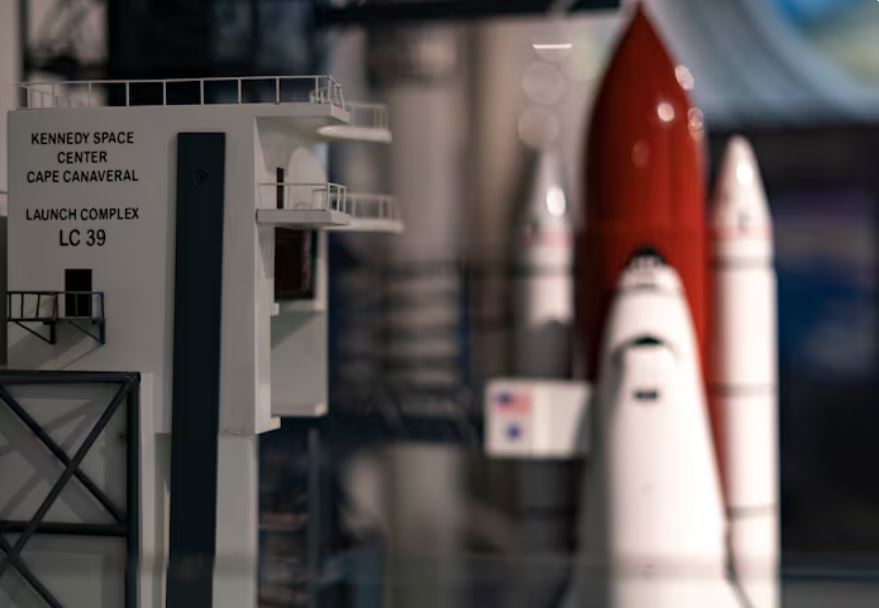
The technical image is a small drama in and of itself. Recently, the stock broke out of a classic cup-and-handle pattern around $99, reached $139, and then ran out of steam. The Williams %R is currently reading oversold, the RSI flashed overbought, and a fifty-day moving average is crawling up at $82 in the middle. Before buyers reappear, a mean reversion, if it occurs, would likely aim for a price close to $100.
As this develops, it seems like Rocket Lab is being asked to serve as both a speculative stand-in for the entire space economy and a profitable industrial in the making. Which version Wall Street wants to own in the end is still unknown. Investors appear to be willing to put up with the contradiction for the time being. The factories are operating. The launches are taking place. The backlog continues to grow. The sting of dilution will go away. Until the SpaceX rocket actually departs the pad, the more difficult question—whether the price has gotten too far ahead of the story—will remain unanswered.



 Bitcoin
  Ethereum
  Tether
  BNB
BNB  USDC
USDC  XRP
XRP  Solana
  TRON
TRON  Lido Staked Ether
  Cardano
  Gram (prev. Toncoin)
  Avalanche