Bitcoin
  Ethereum
  Tether
  BNB
BNB  USDC
USDC  XRP
XRP  Solana
  TRON
TRON  Lido Staked Ether
  Cardano
  Gram (prev. Toncoin)
  Avalanche
The Silent Silicon Valley Tax Trap: How Santa Clara Property Tax Quietly Crushes New Buyers

Every new homeowner in Santa Clara County has a moment when the property tax bill arrives and the number doesn’t quite register at first. This usually happens between signing the paperwork and opening the final box. Ten thousand dollars annually. It’s not a worst-case situation, nor is it a typo. The median is that. Greetings from Silicon Valley.
The effective property tax rate in Santa Clara County is 0.64%, which is marginally lower than the state average of 0.71% for California. That seems almost plausible on paper. However, rates are not isolated entities. Even a small percentage adds up to a bill that is comparable to rent in the majority of American cities, given the county’s median home value of $1,555,600. It’s a number that usually lands with a thud.
| Category | Details |
|---|---|
| Location | Santa Clara County, California, USA |
| County Seat | San Jose, CA 95110 |
| Population | Approximately 1.9 million residents |
| Median Home Value | $1,555,600 |
| Effective Property Tax Rate | 0.64% (County) / 0.79% Average Actual Rate |
| Median Annual Property Tax | $10,000 (tied highest in California with San Francisco) |
| Base Tax Rate (Prop 13) | 1% of Assessed Value |
| Tax Installment Due Dates | November 1 and February 1 |
| Delinquency Deadlines | December 10 and April 10 |
| Late Penalty | 10% penalty + $20 fee |
| Assessor’s Office Address | 70 West Hedding St., San Jose, CA 95110 |
| Payments Phone | (408) 808-7900 |
| Property Value Inquiries | (408) 299-5300 |
| Online Payment | Available (free via e-check; 2.25% fee for credit/debit) |
| Fiscal Year End | June 30 |
| Tax Postponement Program | Available for seniors, blind, and disabled residents (income ≤ $55,181; min. 40% home equity) |
The methods used to calculate that bill date back to 1978 and Proposition 13, the historic California law that changed property taxation throughout the state and continues to set the guidelines. Prop 13 limits annual increases in property’s assessed value to either 2% or the rate of inflation, whichever is lower. Property is assessed at its market value at the time of purchase.
One percent of the assessed value is the base tax rate. It’s a system intended to give long-term owners stability and predictability, and for many, it does just that. The starting point is simply extremely high for buyers entering the market today at current valuations.
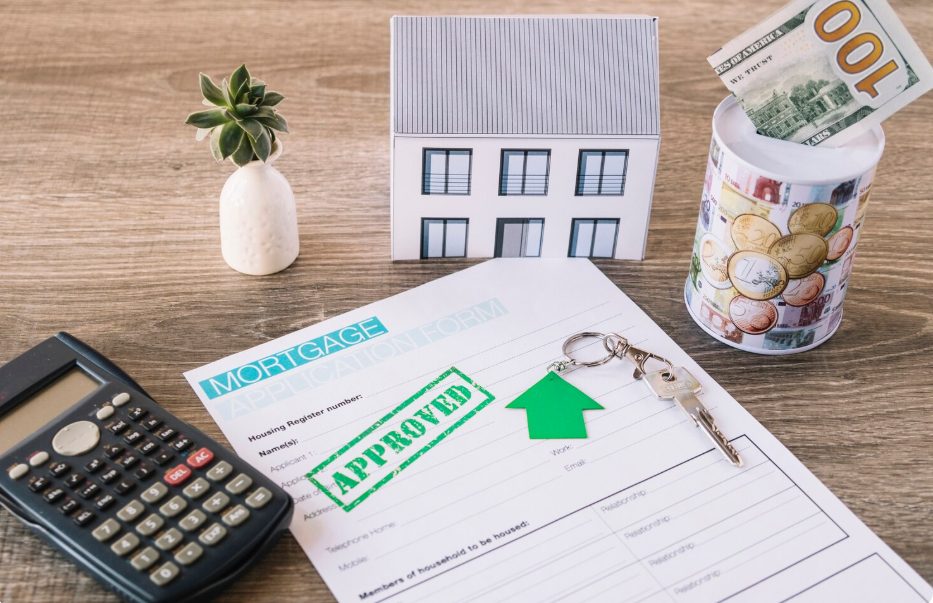
The layered nature of what that bill actually funds is what makes Santa Clara County’s tax structure more intricate than a single rate would imply. The 1% base is just the start. Voter-approved bonds, special district assessments, school levies, water district contributions, and fees for everything from hospital infrastructure to open space preservation are layered on top.
Your effective rate may differ significantly from your neighbor’s a few miles away, depending on whether you reside in San Jose, Palo Alto, Saratoga, or Los Gatos, as well as which school districts your parcel falls within. The county has more than 815 distinct tax areas. Instead of assuming the general rate applies, it’s worth looking up yours specifically.
The payment structure itself has a distinct rhythm, but skipping any one of those steps has serious repercussions. Taxes on real estate, such as homes, are known as secured property taxes, and they are due in two installments. The first is due on November 1st and needs to be paid by December 10th. The second is due on February 1st and needs to be cleared by April 10th. Miss either of those deadlines and you’re looking at a 10% penalty plus a $20 fee, which on a $10,000 annual tax bill adds up fast.
If the delinquency continues past July 1st, the account is placed on what the county refers to as the delinquent tax roll, and a 1.5% monthly charge begins to accrue on the outstanding amount. There isn’t much space for administrative oversight in this penalty structure.
The timeline on mailed bills is one thing that surprises people, and it probably happens more frequently than the county wants to acknowledge. On November 1st, when the first installment is due, tax bills are sent out. This means that before delinquency begins, homeowners have less than 40 days to receive, review, and pay. The official stance of the county is unambiguous: a late payment is not justified by not receiving a bill.
It’s your problem, not theirs, if you’ve moved, changed addresses, or your bill ended up somewhere it shouldn’t have. Anyone who moves, rents out a property, or manages holdings from a different primary residence must proactively update their mailing address with the Santa Clara County Assessor.
In this market, property tax management carries even greater stakes for landlords and investors. Although creating an LLC doesn’t immediately lower your tax liability, it does provide a layer of separation between personal assets and property-related liabilities, which is crucial as the size of your portfolio increases. Any sale decision is also influenced by capital gains implications in ways that aren’t always clear.
Federal long-term capital gains rates range from 0% to 20% depending on income, while short-term gains, which applies to properties held briefly, can be taxed anywhere from 10% to 37%. With no special treatment for long-term holdings at the state level, California adds its own layer.
The 1031 exchange exists as one legitimate tool for deferring those gains, allowing proceeds from a sale to roll into a comparable investment without triggering an immediate tax event.
Even if they only apply to a small percentage of people, there are relief options that are worth learning about. Through the State Controller’s Office, eligible seniors, blind residents, and individuals with disabilities can postpone paying their current-year property taxes under the Property Tax Postponement program.
A minimum of 40% equity in the house and a household income of $55,181 or less are prerequisites for eligibility. Although it’s a delay rather than a waiver, it’s significant for fixed-income homeowners who see an annual bill of $10,000.
The unique tension that characterizes property ownership in Santa Clara County at the moment is difficult to ignore. The county encompasses San Jose and the full sprawl of Silicon Valley, home to some of the most valuable companies and highest-paying jobs in the world. The infrastructure, schools, and public services that property taxes help fund are part of what makes the area function.
But for the buyer who arrives today, takes on a mortgage sized to current market prices, and then opens that first tax bill, the system’s logic can feel a little abstract. The figure is accurate. The deadline is firm. And unlike a lot of things in Silicon Valley, there isn’t an app that makes it easier.