NRG Energy to Sell Gas Assets to LS Power for $4bn
NRG Energy agrees to sell six NRG Energy gas assets totalling 4.9 GW to LS Power for $4bn cash, funding buybacks and debt cuts.
In this article 3 sections
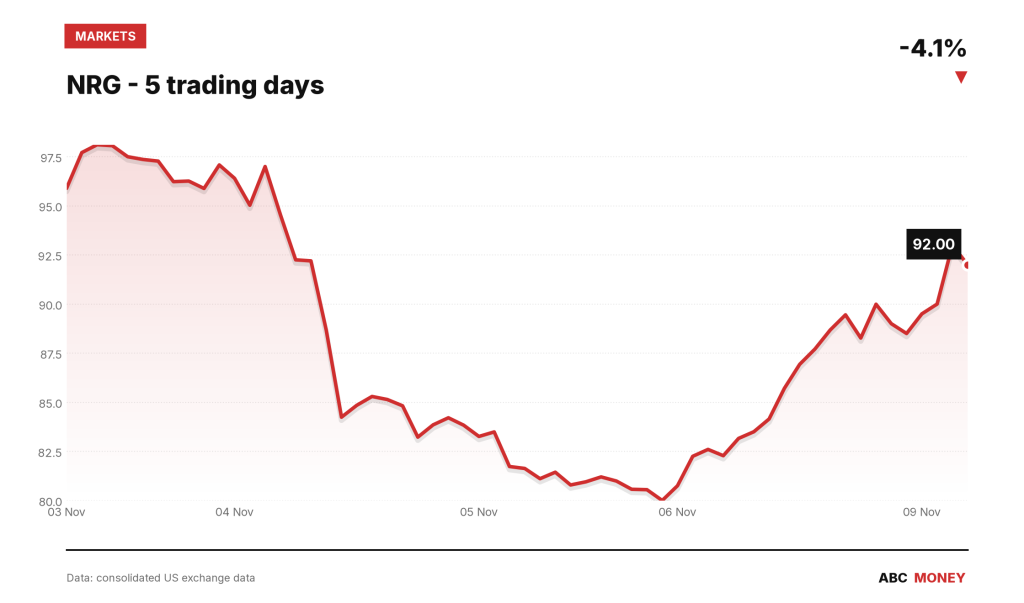
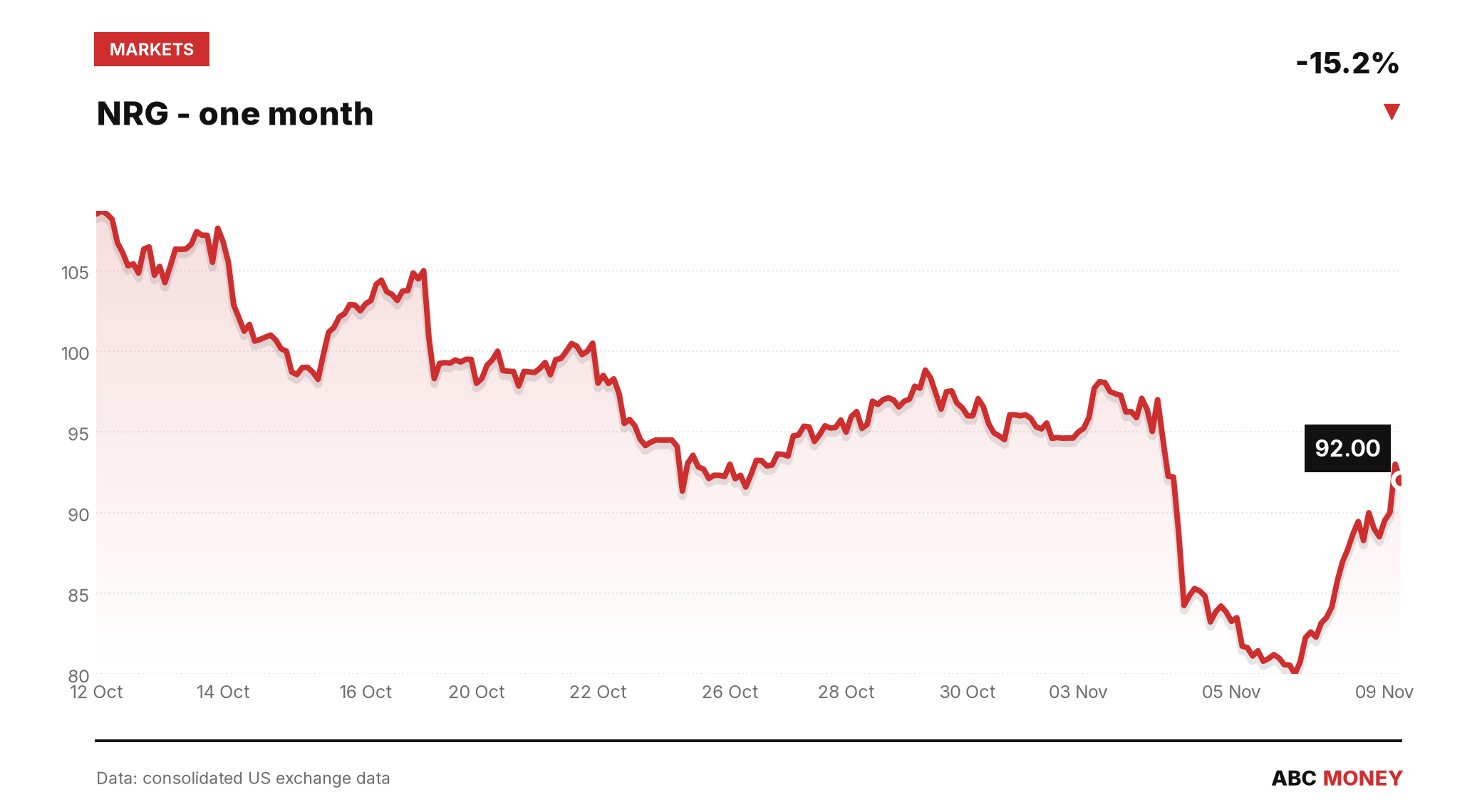
NRG Energy (NYSE: NRG) has agreed to sell six of its NRG Energy gas assets – natural gas-fired power plants totalling 4.9 gigawatts across Connecticut, New York, Rhode Island and Texas – to LS Power for $4bn in cash, the companies confirmed on 9 November 2026. The stock jumped 6.49% to $94.00 on the news, on volume 1.56 times its 20-day average, as investors priced in the cash coming back to shareholders.
The plants span three grid operators: Ravenswood in New York (NYISO), Ocean State Power and Wallingford Energy in New England (ISO-NE, with Wallingford sitting in Connecticut), and three facilities in Texas’s ERCOT market, including the Jack County and Johnson County combined-cycle plants. Together they account for a meaningful chunk of NRG’s dispatchable generation – the kind of always-on gas capacity grid operators lean on when wind and solar output dips.
The buyer was recently the seller
The sharper detail here is who’s on the other side of the table. Eighteen months ago, in May 2025, NRG agreed to buy roughly $12bn of natural gas generation and commercial virtual power plant assets from LS Power, a deal that was meant to roughly double NRG’s generation fleet and position it for a demand boom driven by data centres and electrification. Now NRG is selling gas capacity back to the same counterparty. That is not a sign the original thesis was wrong so much as a sign of how quickly capital-allocation priorities can flip in the power sector once a stock re-rates and a board decides deleveraging and buybacks are the better use of cash than owning every megawatt it can find.
NRG’s own disclosure frames it that way: proceeds are earmarked to help fund a $3bn share buyback programme running through 2026 and 2027, alongside a total of $3bn in planned 2027 debt reduction, including $2bn due on closing, according to the company’s SEC filing. Strip out the six assets and NRG says it will still own and operate roughly 20 gigawatts nationwide, including 10 GW in ERCOT and 10 GW in the mid-Atlantic PJM market – the two regions it clearly intends to keep building around. The deal excludes NRG’s PJM portfolio and its CPower virtual power plant platform entirely.
What LS Power gets
For LS Power, the logic is more straightforward: scale. Combined with its pending roughly 4.4 GW acquisition from Constellation, this deal would take the firm’s gas fleet from 2.2 GW to 11.5 GW and its total generation portfolio past 19 GW, per LS Power’s own release. That is a rapid build-out for a privately held infrastructure investor, and it lands at a moment when data-centre-driven electricity demand has made firm, dispatchable gas capacity unusually prized – utilities and independent power producers alike are bidding up exactly this kind of asset rather than retiring it.
Seeking Alpha, which first flagged the scale of the pre-market move, reported the stock rose 6.4% in early trading as the market digested the $4bn figure against NRG’s market capitalisation. The deal is expected to close in the second quarter of 2027, subject to customary regulatory and closing conditions – a long runway that leaves plenty of time for either side to walk should financing or antitrust conditions change.
The numbers behind the sale
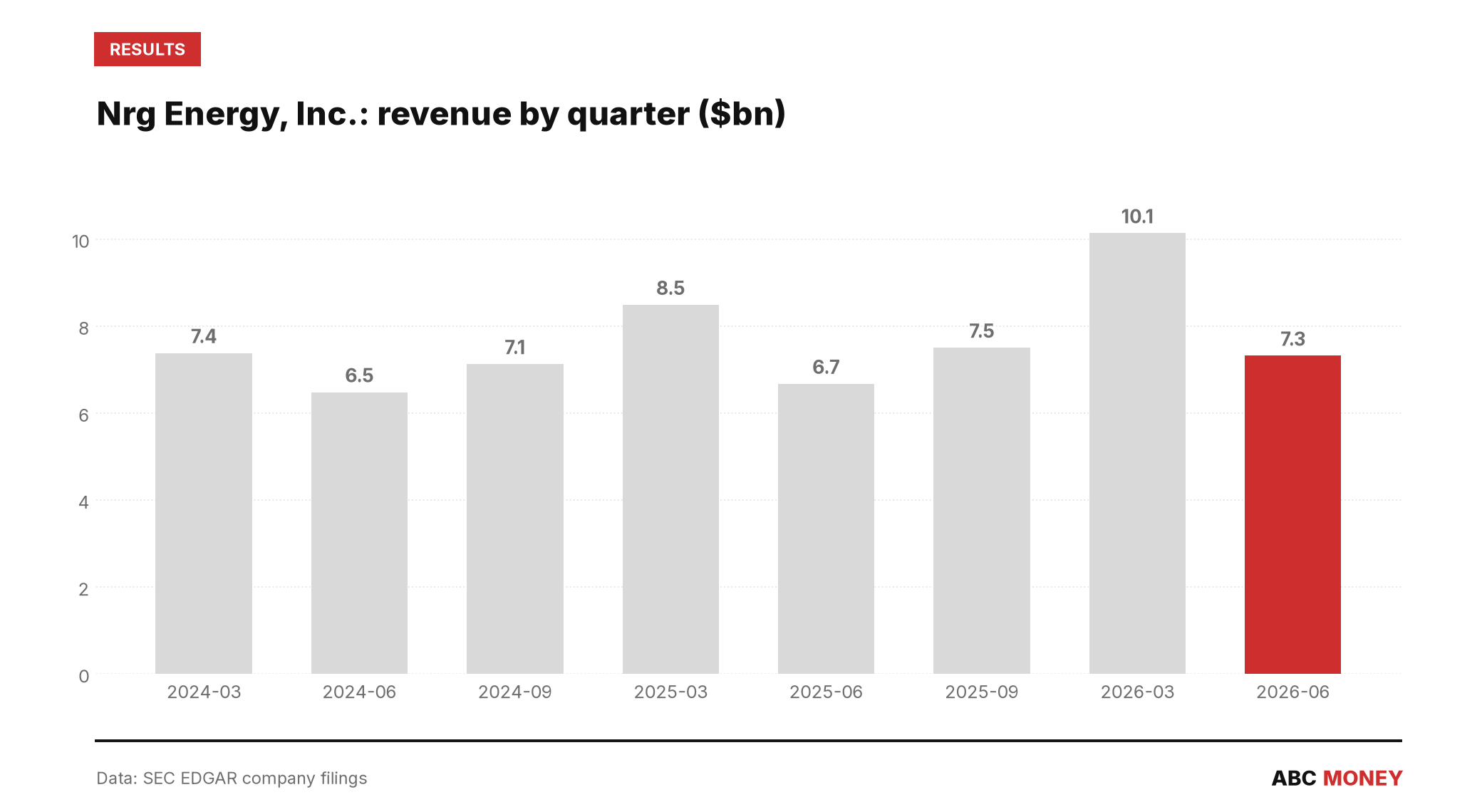
NRG goes into this with a balance sheet that has been inconsistent quarter to quarter but broadly constructive lately: net income of $506m in the second quarter of 2026, on diluted earnings per share of $2.31, versus a $104m loss a year earlier, according to its most recent quarterly filing. Revenue in that quarter was $7.3bn, down from $10.1bn in the seasonally stronger first quarter – a reminder that NRG’s earnings swing hard with weather and power-price volatility, which is itself part of the argument for trimming merchant generation exposure in favour of buybacks and a steadier capital return programme.
The broader financing backdrop is mildly supportive. The 10-year US Treasury yield stood at 4.84% as of 5 November 2026, down from 4.90% the prior reading, according to Federal Reserve data – a modest easing that lowers the cost of the debt LS Power will likely need to fund a cash transaction of this size, and makes large infrastructure M&A marginally easier to price across the sector.
What happens next is mostly procedural but worth watching: regulatory sign-off from the relevant grid operators and antitrust authorities, and confirmation of how NRG allocates the $2bn of debt reduction due at closing versus the remainder of its buyback authorisation. None of that changes the headline arithmetic – a $4bn cash sale, 4.9 GW changing hands, and a seller that was a buyer of nearly identical assets not so long ago.
This article is for information only and is not investment advice or a recommendation to buy or sell any asset. Markets move quickly; figures are correct as sourced at the time of writing. Always do your own research before making financial decisions.