Qantas Accenture deal to axe 850 jobs, mostly to India
The Qantas Accenture deal will cut 850 corporate jobs over seven years, shifting work mostly to India as the airline bets on AI.
In this article 3 sections
Qantas Airways (QAN) is cutting about 850 corporate jobs in Australia under a seven-year Qantas Accenture deal that will shift much of the affected work to teams in India, the airline confirmed in a staff email on 10 November 2026. The cuts, first reported by Reuters and The Wall Street Journal, land squarely in the corporate back office rather than on the tarmac or in the cockpit.
Qantas Group chief executive Vanessa Hudson told staff the move was necessary as the airline embraces artificial intelligence and broader technology transformation, saying “standing still is not an option,” according to Bloomberg. In a separate all-staff email reported by ABC News Australia, she described the redundancies as “hard news for some,” with the first roles to go concentrated in finance, procurement and marketing.
Where the Accenture deal bites first
Accenture (ACN), the global technology and consulting giant, will take over a swathe of back-office functions currently run in-house. ABC reported that the work will be delivered by Accenture staff “mostly in India and some in Australia” – the clearest signal yet that this is an offshoring exercise as much as an automation one. The Australian Services Union said it was meeting with affected Qantas members on the day the cuts were announced, a sign the industrial fallout is only beginning.
What Qantas has not said is just as telling. Neither the airline nor Accenture has disclosed how many of the 850 roles will disappear to automation versus simply relocate overseas, nor has Qantas put a figure on the savings the deal is expected to generate, according to International Business Times Australia. For a listed airline that reports half-yearly to the ASX, leaving the cost case unquantified is unusual, and it leaves investors to take the restructuring logic largely on trust.
Seven years, a billion dollars a year
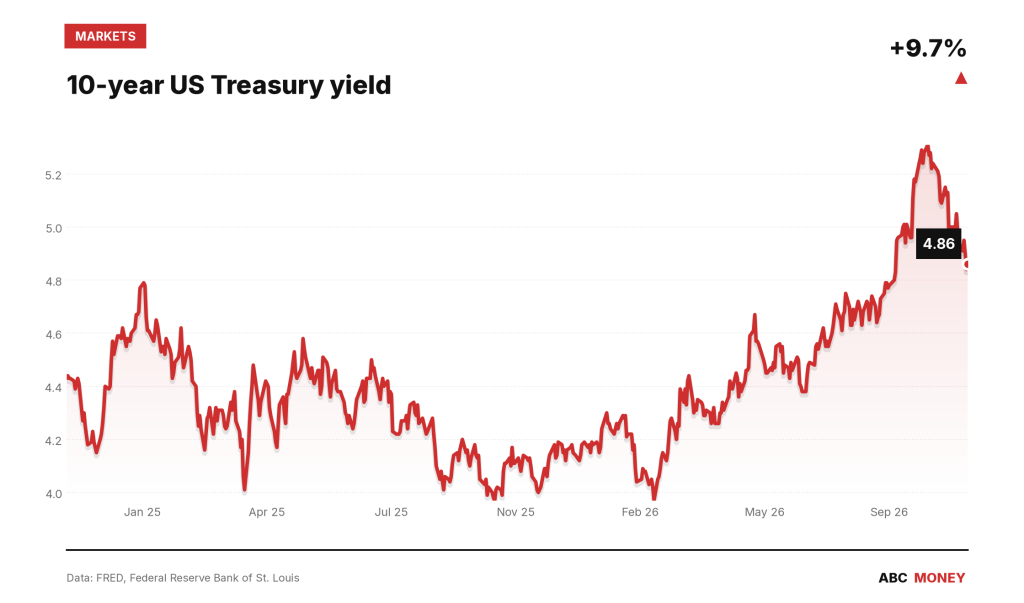
The commercial terms that have emerged are more concrete than the headcount detail. IBTimes Australia reports the Qantas-Accenture partnership runs for seven years, with Qantas continuing to invest roughly A$1 billion annually in technology across that period. That is a sizeable, multi-year commitment for an airline whose core business – moving people and cargo through the air – still carries the fuel, labour and capacity-planning risks that come with any carrier operating in a high-rate environment. A seven-year horizon also means this is not a one-off cost-cutting headline but a structural bet that outsourced, AI-assisted back-office functions will keep paying down over most of a decade.
Accenture’s own position adds a layer of irony to the deal. The consultancy has itself been cutting thousands of roles globally as part of its own AI-driven restructuring, even as it pitches AI-enabled offshoring to clients like Qantas. It is, in effect, selling the same transformation it is applying to its own workforce – a dynamic that is becoming increasingly familiar across the consulting industry as firms race to monetise AI tools while trimming the headcount those tools are meant to replace.
A playbook with scar tissue
Qantas has been here before, and not gently. In 2020 the airline outsourced ground handling operations and cut roughly 2,500 jobs, a decision Australian courts later found to be unlawful, triggering substantial compensation payouts to the sacked workers. That history matters here: unions and affected staff are likely to scrutinise this latest outsourcing move for the same legal vulnerabilities, particularly around consultation process and the genuine operational necessity of the redundancies versus a straightforward cost play dressed up as technology transformation.
For Qantas shareholders, the calculus is more straightforward on paper – fewer domestic payroll costs, a long-dated technology partner, and a public narrative of AI-driven efficiency that chimes with what much of corporate Australia is currently telling its own staff. Whether the 850-job reduction nets out to real savings, after redundancy payments, transition costs and the deal’s undisclosed fee structure with Accenture, is not yet answerable from what either company has published. The Australian Services Union’s response, and any detail Qantas provides at its next results update on redundancy timing and the automation-versus-relocation split, are the next points worth watching.
This article is for information only and is not investment advice or a recommendation to buy or sell any asset. Markets move quickly; figures are correct as sourced at the time of writing. Always do your own research before making financial decisions.