Audi New Factory Georgia: Why Middle Georgia Beat Every Other State for the Biggest Auto Investment in Years
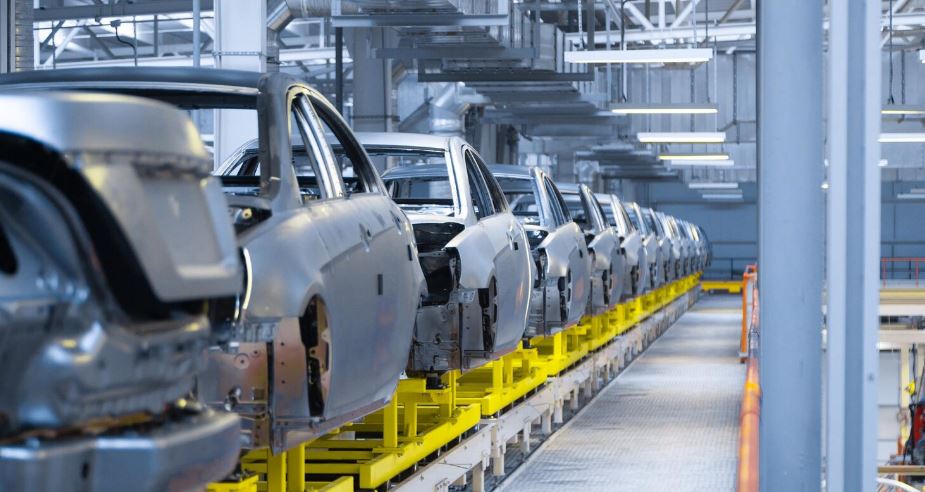
Audi intends to establish its first factory in the United States on a 1,500-acre site that the state turned over as part of the agreement, somewhere in Middle Georgia close to Perry and Macon. The announcement was made on October 25, 2026, and the figures involved are noteworthy enough to cause pause. $4 billion was the initial investment. 4,500 jobs were created during the first phase. Up to 200,000 vehicles can be produced annually. Construction will begin in 2027. Early in the 2030s, the first cars will come off the assembly line. Additionally, Georgia contributed $458 million in tax incentives, over $120 million in infrastructure grants, and an additional $430 million for workforce training, roads, rail upgrades, and water improvements because it was obviously determined to win this.
That is a significant public pledge. However, context is important. At the moment, Audi imports all of the cars it sells in the US from Mexico or Europe. Last year alone, the company lost about €1.2 billion, or roughly $1.4 billion, due to Trump-era tariffs on steel, aluminum, automobiles, and parts. It’s not a rounding error. For a European automaker attempting to hold onto its position in the second-largest premium car market in the world, this figure alters the investment calculus. Building locally does more than just lessen vulnerability to future changes in tariffs. It fundamentally alters the financial model.
Securing the agreement has involved direct involvement from the Trump administration. According to Reuters, U.S. officials assured Audi executives of extensive tariff relief in exchange for their commitment to U.S. investment. Audi reportedly pushed for a 7.5% EU import tariff instead of the current 15%. It was anticipated that the Commerce Department would reach a decision nearer to 10%. In any case, the combination of domestic production and tariff relief significantly alters the cost structure, and this combination probably made the difference between building in America and not.
In exchange, Georgia is receiving significant benefits. When discussing luxury car investments, Middle Georgia is not usually at the top of the list. The Perry region as a whole has been preparing for this kind of announcement for years, building the Middle Georgia Mega Site especially to draw large-scale manufacturers. Macon is located approximately 85 miles south of Atlanta. It appears that the site’s infrastructure, available land, rail access, and close proximity to well-established automotive supplier networks in the Southeast satisfied enough requirements for Audi to select it over rival sites.
The Q7, Q8, and Q9 models of Audi’s high-end SUV lineup—which are precisely the models that do well in the North American market—are the cars that are scheduled to be produced at the facility. CEO Gernot Děner has made it clear that lowering tariff costs is not the only goal. At the announcement, he declared, “We have much greater ambitions for Audi in America.” “With premium products, a stronger brand, and a competitive local production base, we are determined to change that.”
Additionally, there may be a second phase that is worth observing. According to documents made public by the Mid-Georgia Gateway Development Authority, Audi plans to invest an additional $3 billion and create 3,000 new jobs by 2033. If that expansion proceeds, the workforce increases to 7,500 and the total investment reaches $7 billion. Although Audi declined to comment on specifics and that has not yet been confirmed, the fact that it was mentioned in official development authority documents implies that it is a real possibility rather than just conjecture.
It’s important to consider this in light of the larger trend of European automakers pledging to produce in the United States. For many years, BMW has produced its vehicles in South Carolina. In Chattanooga, Tennessee, Volkswagen currently operates a plant. SUVs are manufactured by Mercedes in Alabama. The pattern is consistent: domestic production eventually becomes more appealing than importing for a European brand that sells in large quantities in America due to the combination of tariff avoidance, local customer proximity, and the political goodwill that comes with job creation. Compared to some of its competitors, Audi made that calculation later. However, the Georgia announcement implies that it has now arrived there with genuine conviction.