
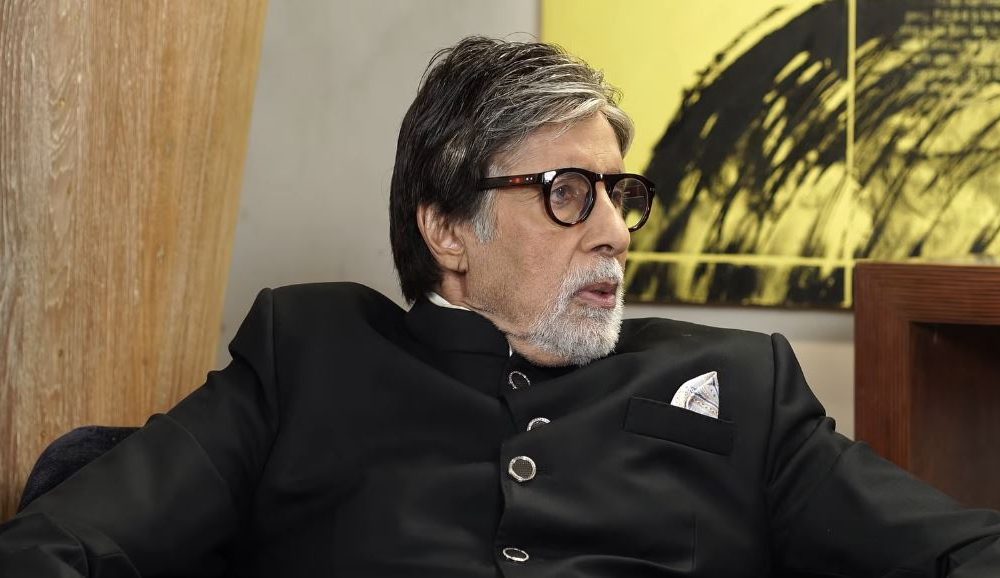
The way Amitabh Bachchan allegedly made his most talked-about real estate move is telling. Not after months of discussion, not thru a property manager, not during a board meeting—rather, it happened over the phone at three in the morning. ₹15 crore had already been transferred by the next day.
The story quickly gained traction after Abhinandan Lodha, the founder of The House of Abhinandan Lodha (HoABL), shared it in public. It was the urgency, not just the number, that made it stick. Unless something truly feels personal, a man of Bachchan’s caliber doesn’t usually make midnight real estate calls.
The whole story of his Ayodhya investments revolves around that personal theme. Bachchan, who was born in Prayagraj (formerly Allahabad), has talked candidly about his emotional connection to Uttar Pradesh. It didn’t sound like a pitch meeting when he allegedly said, “Main UP se hoon aur mujhe Ayodhya ji mein land leni hai,” to Lodha. It sounded like a person reestablishing a connection with a group to which he felt a sense of belonging.
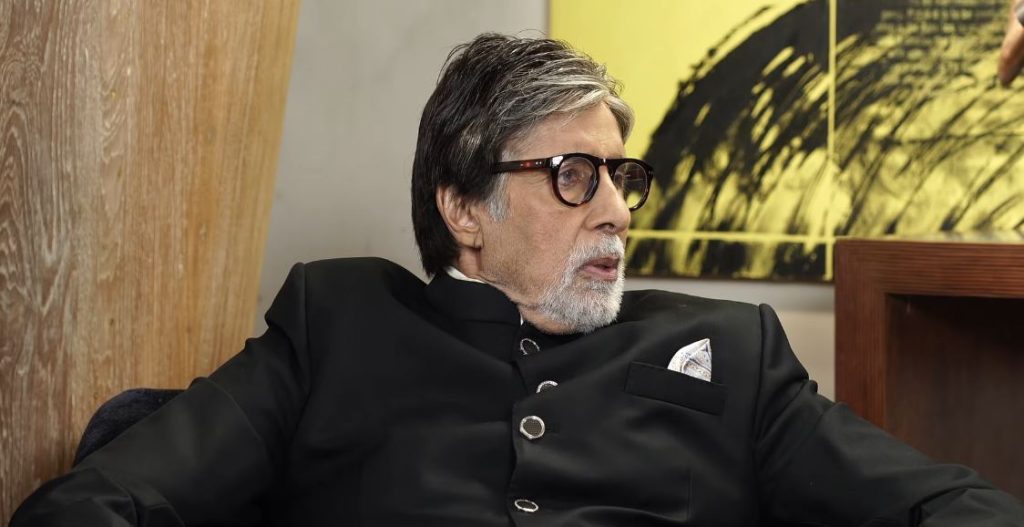
Over the previous two years, his Ayodhya land portfolio has increased steadily. He paid between ₹14.5 and ₹15 crore for a 10,000 square foot plot in HoABL’s opulent mixed-use project, The Sarayu, in 2024. That late-night call sealed the deal. He continued to grow in May 2025, paying nearly ₹40 crore for a 25,000 square foot plot close to the same development. Early in 2026, a 2.67-acre property valued at ₹35 crore was acquired once more. He is one of the most well-known celebrity investors in Ayodhya’s quickly changing real estate market, with his total known personal spending in the city currently ranging from ₹90 to ₹100 crore.
These investments also have a component that goes beyond increasing one’s own wealth. In 2025, the Harivansh Rai Bachchan Memorial Trust, which was founded in memory of his late father, the renowned Hindi poet, purchased a 54,454 square foot plot of land about ten kilometers away from the Ram Mandir. It is said that a memorial will be built on the property. The weight of that acquisition is completely different. It is not a wager on the value of the land or the number of visitors. It’s an effort to leave a lasting mark on one of India’s holiest cities: a memorial to a literary icon.
Since the opening of the Ram Mandir in January 2024, Ayodhya has undergone significant transformation. There has been an increase in pilgrim traffic, improved rail connectivity, new road infrastructure, and a wave of hospitality development. Developers have noticed the sharp increase in property prices in and around the city. When millions of tourists arrive at a destination, local commerce grows, land becomes desirable, and owners become reluctant to sell, according to Lodha’s straightforward explanation of the economic logic. Other temple towns have followed this pattern, and Ayodhya seems to be doing so more quickly.
It remains to be seen if Bachchan’s investments turn out to be as wise financially as they seem on paper. Infrastructure promises don’t always materialize on time, and tourism booms can plateau sooner than anticipated, making real estate in recently developed religious corridors unpredictable. However, it’s difficult to write off these purchases as impulsive given the combination of location, timing, scale, and the support of significant developers.
There is more to the Amitabh Bachchan Ayodhya land investment story than just the money. It is what it stands for: a fusion of long-term financial planning, cultural identity, and family legacy. Ranbir Kapoor and other Bollywood celebrities have also made investments in Ayodhya, but none of them have done so with the same intentionality or total amount. Bachchan isn’t experimenting. He seems to be constructing something, piece by piece, in a city that he appears to regard as his own in some significant way.



 Bitcoin
  Ethereum
  Tether
  BNB
BNB  USDC
USDC  XRP
XRP  Solana
  TRON
TRON  Lido Staked Ether
  Cardano
  Gram (prev. Toncoin)
  Avalanche