Babcock wins five-year £8bn deal to maintain Royal Navy nuclear submarines
Babcock has been awarded a five-year Ministry of Defence agreement worth around £8bn to maintain nuclear submarines, with £2.4bn earmarked for UK suppliers.
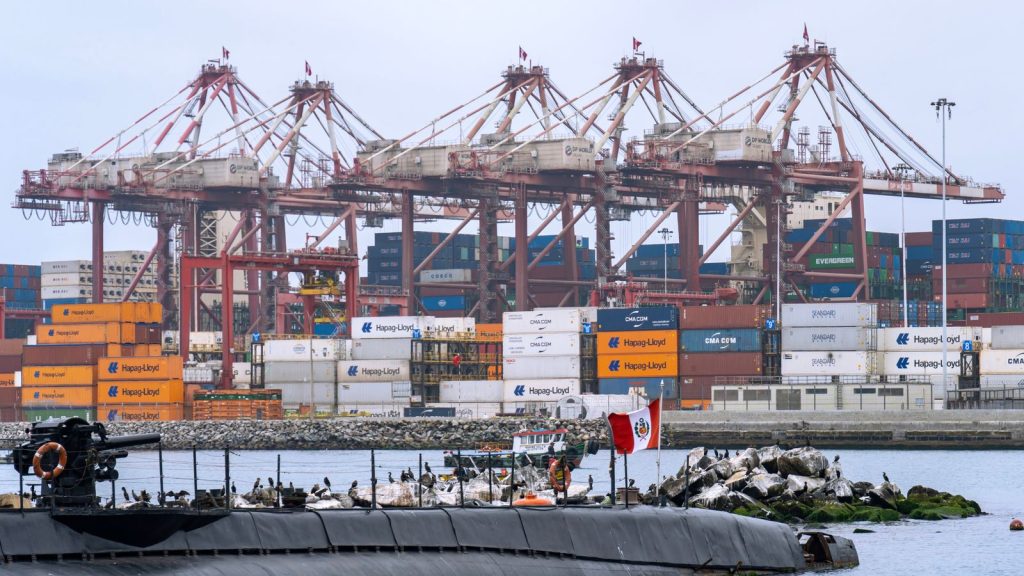
Babcock has been awarded a five-year Ministry of Defence contract worth around £8bn to maintain the Royal Navy’s nuclear submarines and run critical naval base services, the department said on Friday.
The Gateway Agreement is designed to tackle maintenance bottlenecks, with incentives for faster delivery so that submarines spend less time in maintenance and more time available for operations.
About £2.4bn of the total will be spent in the wider UK supply chain, including around £1bn targeted at small and medium-sized businesses.
Around 3,000 new highly skilled jobs will be created under the agreement, mainly across Plymouth, Clyde and Bristol, along with around 2,500 apprentice and graduate roles.
A further 8,500 existing jobs will be supported, as capacity increases at the submarine maintenance sites at HM Naval Bases Devonport and Clyde.
Defence Secretary Wes Streeting announced the contract during a visit to Devonport, saying: “The deterrent is only as strong as our ability to keep it at sea.”
Streeting said the agreement would create 5,500 new jobs, apprenticeships and graduate opportunities.
Prime Minister Andy Burnham described the agreement as “a huge investment in our people”, with jobs for communities in Plymouth, Clyde and beyond.
First Sea Lord General Sir Gwyn Jenkins said the aim was “getting submarines through maintenance quicker”, tackling the delays that hold the fleet back.
Babcock chief executive Harry Holt said the agreement would let the company “continue our support for the deterrent, increase submarine availability” and build skills, infrastructure and capability for the submarine force.
The agreement also enables wider Royal Navy activity, including surface fleet facilities, sea training and future autonomous capabilities.
Faster maintenance is meant to support the Royal Navy’s NATO and AUKUS commitments as well as nuclear deterrent patrols.
The department described the deal as the second major multi-billion-pound submarine-related contract it has signed since the Defence Investment Plan was published.
That plan is backed by £298bn of investment over the next four years, though it summarises major choices and is not the whole defence budget.
The agreement sits alongside Project Royal Oak, which will see £26bn of government investment over 10 years at Devonport, Clyde and Portsmouth to modernise infrastructure and accommodation.
The deterrent is run by the Defence Nuclear Enterprise and its industry partners, which support over 6,000 UK companies and around 47,000 jobs.
Workforce demand across that enterprise is forecast to rise to approximately 65,000 by 2030.
Maddy McTernan, chief of defence nuclear at the MOD, said the Babcock deal was the latest step in efforts to partner more effectively with industry and keep “safe and capable Royal Navy submarines at sea”.
At Clyde, Programme Euston is due to deliver a resilient out-of-water submarine engineering capability in the 2030s, to be built by British industry.