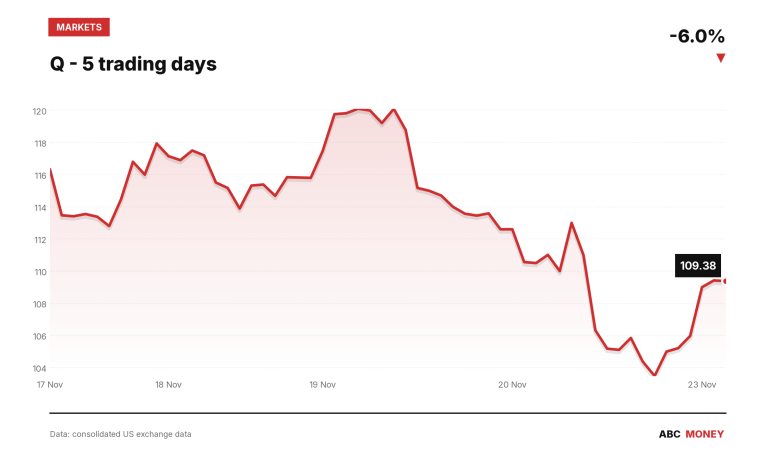
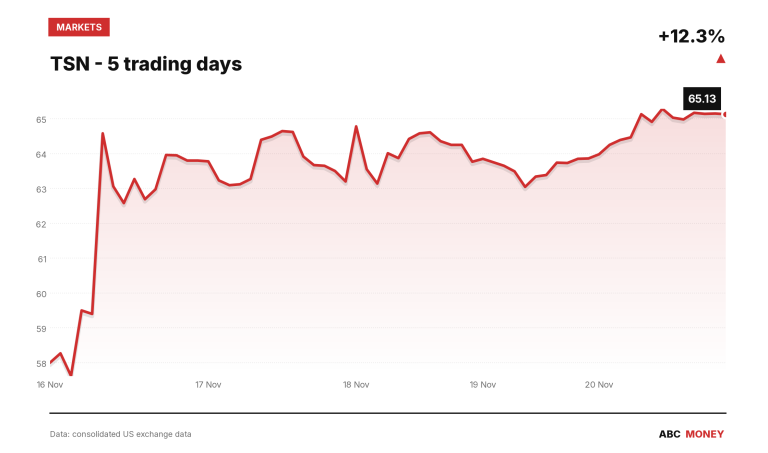
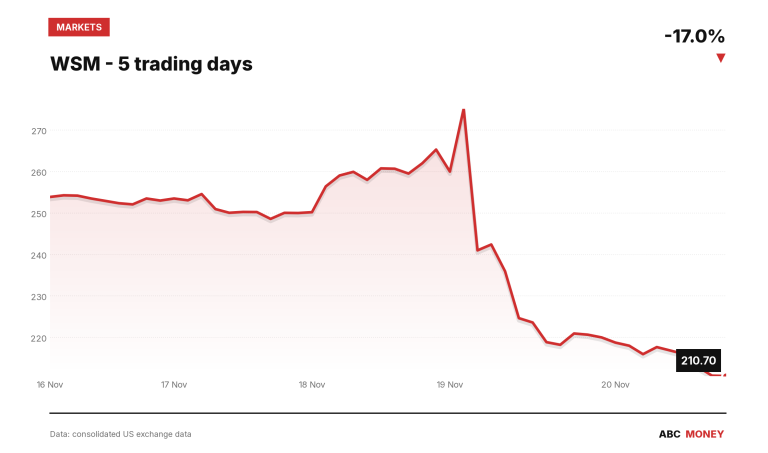
UnitedHealth, Humana, CVS slide on Medicare audit, not ratings
UnitedHealth, Humana and CVS fell hard this week - but the Medicare Advantage audit proposal driving it, not a ratings dispute, is the real story.
In this article 4 sections
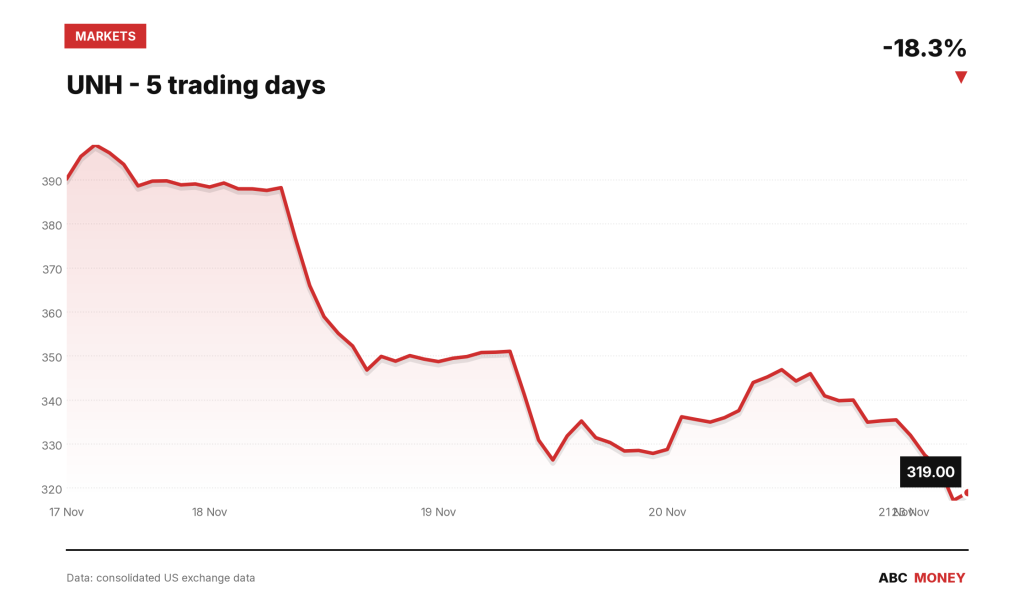
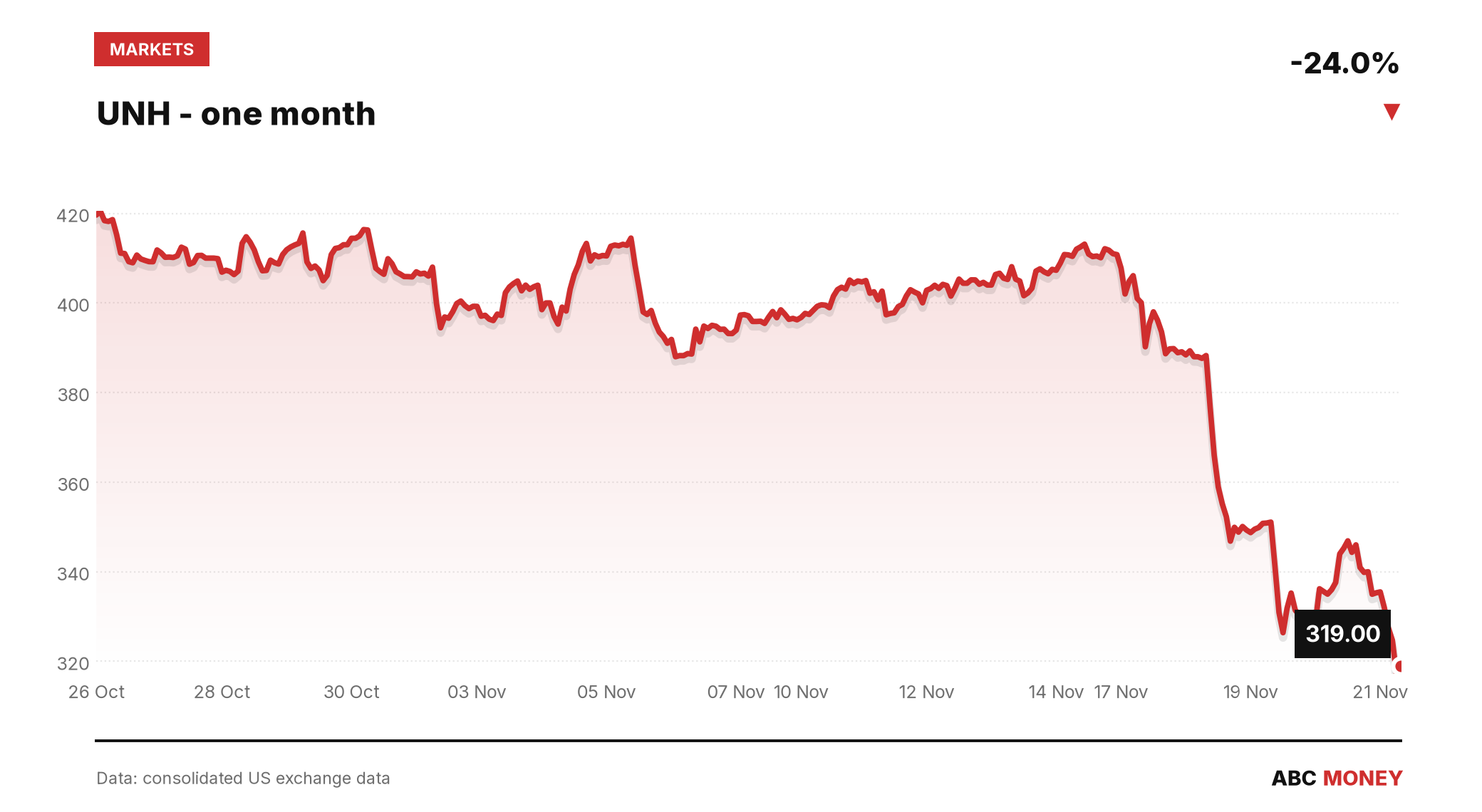
UnitedHealth Group (UNH) traded at $318.75 as of 1pm UK time on 23 November 2026, down 4.85% on the day and down 20.26% over the preceding 20 trading sessions, having fallen from a 20-day high of $414.49, according to MarketWatch. Humana and CVS Health have slid alongside it. The slide is real and it is sharp. But the cause gets garbled in the retelling: this is not Washington “targeting Medicare Advantage ratings”. It is a proposal to claw back Medicare Advantage overpayments all the way back to 2018, and the distinction matters a great deal to anyone trying to work out what happens next.
What CMS actually proposed
On 16 November 2026, the Centers for Medicare & Medicaid Services proposed extending risk-adjustment data validation audits – the mechanism CMS uses to check whether insurers were paid fairly for how sick their enrolled members actually were – so that findings could trigger recoveries reaching back to payment year 2018. The trade body HFMA puts CMS’s own estimate of the money at stake at roughly $9bn per payment year, according to Quantisnow. CMS has opened a 60-day public comment window following Federal Register publication, running through 19 January 2027, as detailed in a release carried by PR Newswire via Morningstar. None of that is a Star Ratings action. Star Ratings are the quality scores CMS uses to hand out bonus payments; RADV audits are about whether the original payments were justified in the first place. They are run by the same regulator but they are different levers, with different mechanics and different investor read-throughs.
The market’s reaction, day by day
The share-price pattern tracks the audit news closely. On the day the proposal landed, UnitedHealth closed down 5.4% to $389.69, Humana fell 3.8%, Elevance Health fell 2.8% and CVS fell 3.2%, per Quantisnow. Two trading days later the losses had compounded sharply: Humana down 10.6%, UnitedHealth down 9.0% and Elevance down 6.5% intraday. The sector fell again on 19 November, a second consecutive losing session in which UnitedHealth, Elevance and Centene extended losses while Humana and CVS slipped further, as Beinsure reported at the time – all of it explicitly tied by those reports to the audit proposal, not to any ratings announcement.
Why “ratings” is the wrong word here
There was a genuine Star Ratings event this year, and it produced the opposite market reaction. On 9 October 2026, Humana’s shares surged after the insurer topped the 2027 Medicare Advantage star ratings, while CVS slid roughly 3% and UnitedHealth was essentially flat, according to CNBC. That is precisely the sort of divergence you’d expect from a quality-score dispute, where one insurer’s plans improve and a rival’s don’t. The November selloff moved the opposite way: all three stocks fell together, which is the signature of a shared financial exposure to the same audit mechanism rather than three separate scorecards landing differently. Humana’s own filings describe how CMS’s risk-adjustment model, which sets Medicare Advantage premiums according to enrollee health status, underpins the audits now in question, as laid out in its 10-Q filing.
Positioning and the macro backdrop
There’s little sign this was a short-selling-driven squeeze. UNH’s daily short-sale ratio, which tracks the share of trading volume sold short, ranged between 0.14 and 0.536 from 9 to 20 November, with no spike coinciding with the audit news, per FINRA data – consistent with a repricing driven by fundamental investors rather than bearish bets unwinding. Treasury markets, for what it’s worth, were quiet over the same stretch, with the 10-year yield at 5.04% on 19 November against 5.07% a week earlier, and the 2-year barely moved from 4.80% to 4.76%, according to FRED data. This was a sector story, not a rates story.
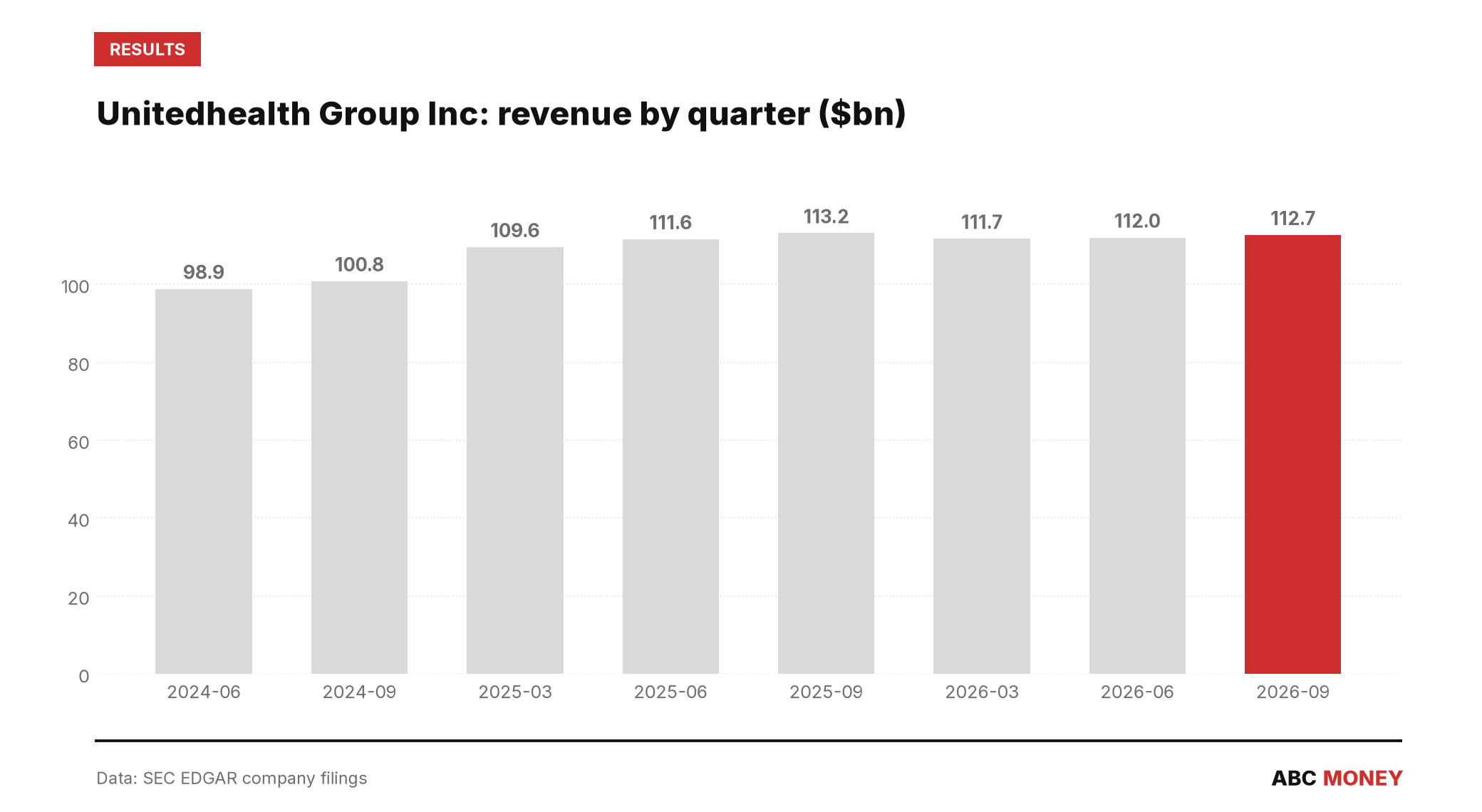
The financial stakes explain why the market reacted so violently to a comment-period proposal rather than a finalised rule. UnitedHealth’s quarterly earnings have swung widely over the past two years – net income of $2.348bn in the third quarter of 2025 against $6.280bn in the first quarter of 2026, drawn from its 10-Q filings – and a multi-billion-dollar annual recoupment risk lands on top of that volatility rather than alongside a stable base. With the comment period running to 19 January 2027, investors have roughly seven weeks to work out how much of the proposed clawback survives the rulemaking process, and how far back CMS actually reaches once it does.
This article is for information only and is not investment advice or a recommendation to buy or sell any asset. Markets move quickly; figures are correct as sourced at the time of writing. Always do your own research before making financial decisions.