Digital vs Printed Receipts: Which Is Better for Modern Businesses?
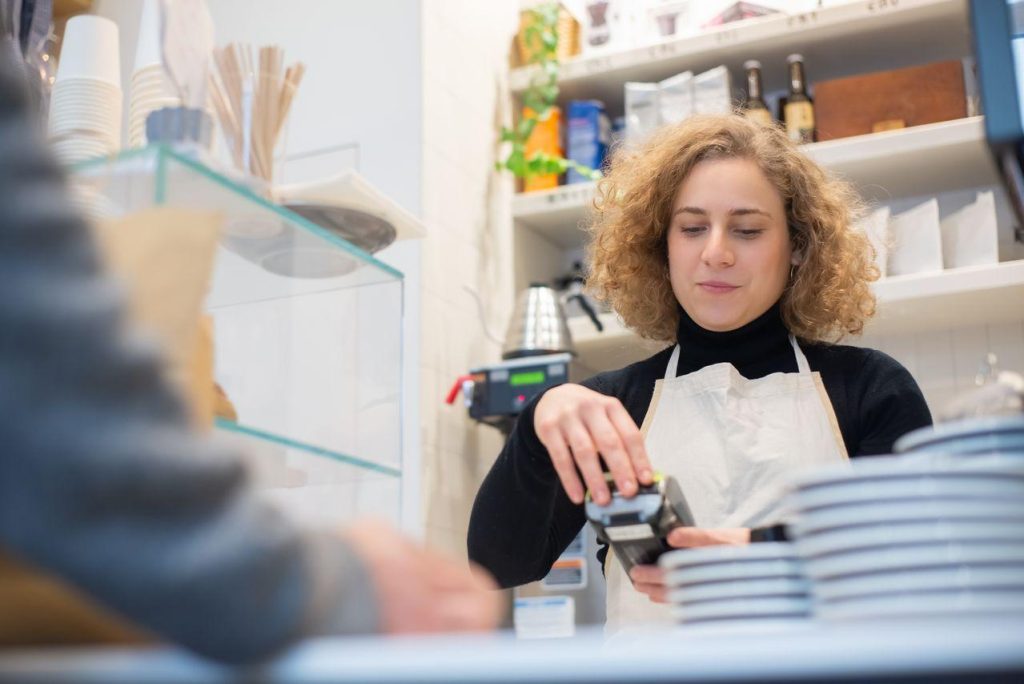
At the end of every sale, there’s a small choice most businesses don’t give much thought to. Paper slip or digital record? It sounds minor. But it touches more than you’d expect, from your environmental footprint to your costs to how your customers feel about you.
More UK businesses are moving to modern point-of-sale systems, the Zeller card machine among them, and that’s pulled receipts into a bigger conversation about efficiency, sustainability, and customer experience. Below, we look at both options so you can work out which one fits your business.
What Are the Benefits of Digital Receipts?
Digital receipts have taken off, and it’s not hard to see why. Paper waste more or less disappears. That’s a real plus if you’re trying to shrink your environmental impact, or if your customers care about that kind of thing (plenty do). The money side helps too. You stop buying till rolls and ink, and you don’t need somewhere to keep boxes of records you might have to dig out months later.
They’re quicker at the checkout as well. An email or text goes out in seconds, so the queue keeps moving, which you’ll notice most when it’s busy. Customers can pull up the receipt on their phone whenever they need it, maybe for an expense claim, maybe for a warranty issue.
For a growing business, though, the data might be the best part. Every digital receipt tells you a bit more about what people buy and when. You can build customer profiles from that and use it to shape your marketing. And bookkeeping gets easier, because digital transactions feed straight into your accounting software. No typing things in by hand.
What Are the Benefits of Printed Receipts?
Paper hasn’t gone anywhere, digital shift or not. A lot of customers just like having something in their hand, especially after a bigger purchase, when physical proof feels safer. Printed receipts also don’t depend on technology at all. It doesn’t matter whether someone has a smartphone or an email address they actually check.
And there’s no waiting around. The customer doesn’t have to wonder if the message arrived or which inbox it landed in. Some people aren’t comfortable with digital tools. Others are sceptical about giving out their email. A paper receipt skips that slightly awkward moment at the till entirely. There’s also nothing being sent or stored online, so cybersecurity simply isn’t a concern.
What Challenges Come with Each Receipt Method?
Digital receipts rely on trust, and on access. Not everyone is happy to hand over an email or phone number, and once you have that information, you need secure systems to keep it safe from breaches.
Paper has its own problems. You’re paying for supplies on an ongoing basis, you’ll get some criticism on the environmental side, you need storage space, and printing adds a small delay at the till. Small, but it’s there.
So neither option is friction-free. That’s exactly why so many businesses don’t bother choosing one.
How Should Modern Businesses Decide Between Digital and Printed Receipts?
In practice, it’s rarely one or the other. If cutting costs, working more efficiently and collecting customer data matter most to you, lean toward digital. If your customers tend to be older, less comfortable with tech, or just prefer something on paper, printed receipts make more sense. For most high-street and hospitality businesses, offering both is the safest bet.
A few things make running both easier. Let customers pick which receipt they want at the point of sale. Use encrypted, secure systems for anything digital. If you’re still printing, go for eco-friendly paper and ink where you can. Digital receipts are already a direct line to your customer, so it’s worth using them as a way into loyalty schemes and targeted marketing. And make sure your staff know both systems well, so checkout stays smooth whichever option someone goes for.
There isn’t one right answer. It comes down to your customers and how your business runs. Once you understand what each type of receipt does well, and where it falls short, you can set up a checkout that balances sustainability, security, and customer satisfaction without putting anyone off at the till.
Contributed content: this article was written by a third-party contributor and does not necessarily reflect the views of ABC Money. Editorial and Advertising Policy